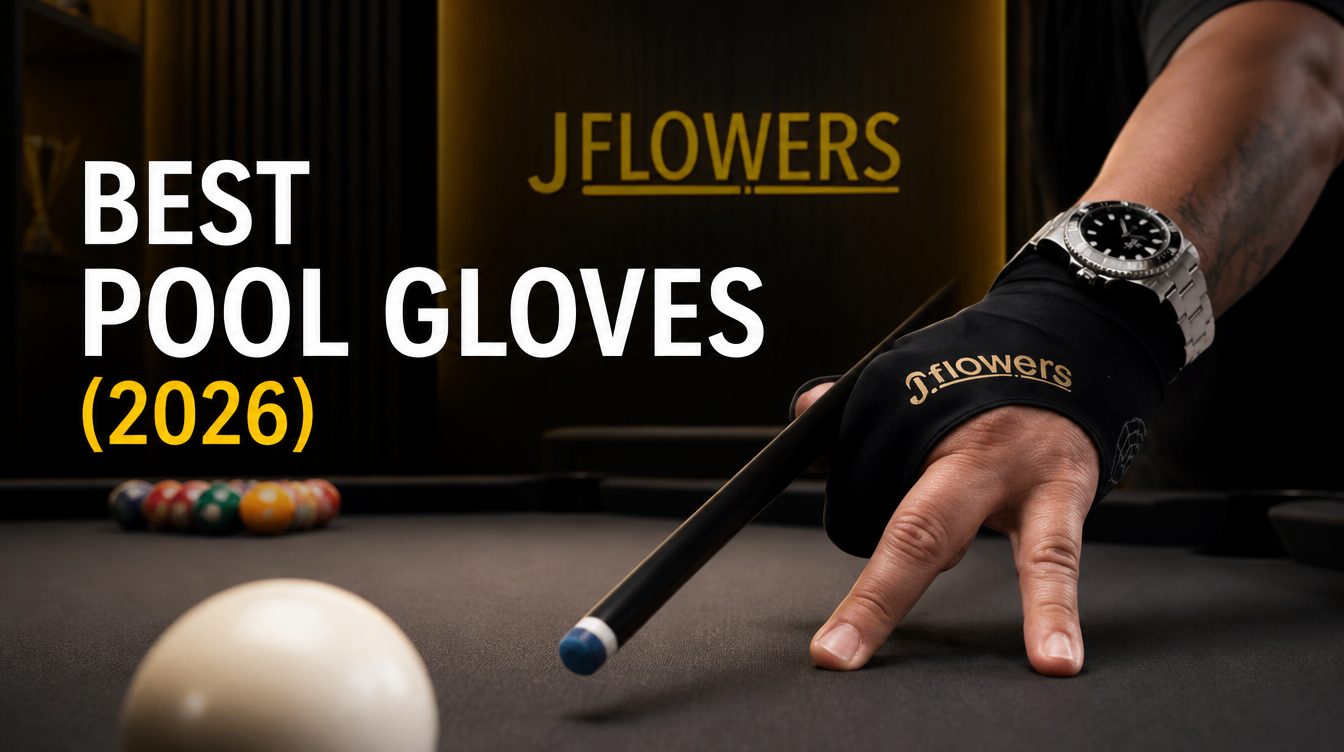
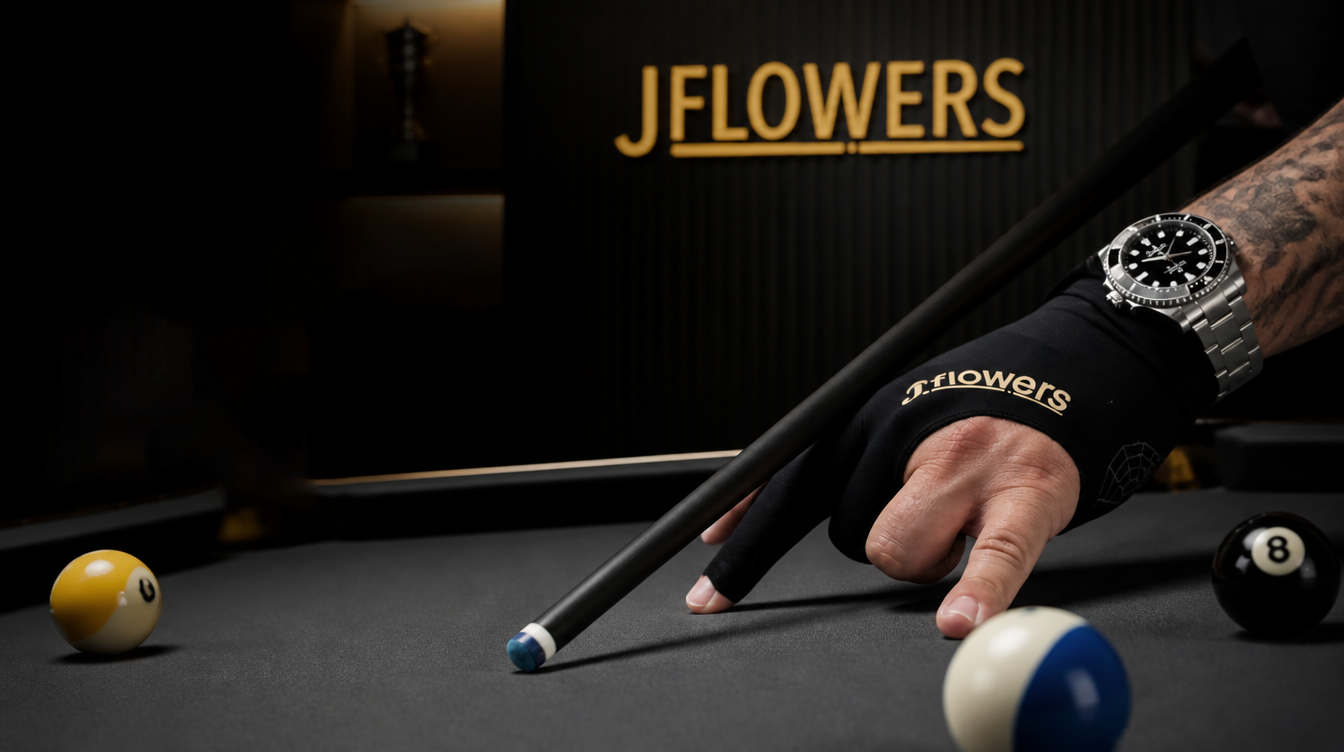
The pool glove market has a wide range of options, and the differences between them are real — in fit, comfort, material quality, and how well they maintain their performance over months of competitive use. Choosing the right glove means matching it to your hand size, playing frequency, and the specific benefit you're looking for.
Listen to this article
This guide covers the top pool glove options in 2026 with honest assessments of what each one delivers. For the foundational case for why pool gloves help, see Why Use a Pool Glove?.
What to Look for in a Pool Glove
Before the brand comparison, here are the features that determine whether a pool glove works for you:
Fit: the glove should fit your hand snugly without restricting movement or creating bunching that affects bridge feel
Material: smooth, consistent friction surface that slides on the shaft predictably — not grabby, not slippery
Breathability: the glove should not trap heat excessively during long sessions
Durability: maintains its surface texture and fit over months of competitive use
Design: covers the right fingers for your bridge style without covering too much hand
Cue Armour Pool Gloves — Our Top Recommendation
Cue Armour pool gloves are designed and manufactured specifically for competitive pool play, and the quality reflects that purpose. The glove is used by champion players worldwide and has earned its reputation through performance at the highest competitive levels.
What makes Cue Armour stand out:
Specifically engineered for pool — not a repurposed golf or billiards glove, but a glove designed for the specific demands of pool bridge hand contact
Consistent friction surface that performs the same in dry conditions and humid conditions
Breathable material that doesn’t overheat during long sessions
Durable construction that maintains its surface texture and fit over extended use
Available in both left-hand and right-hand versions, and in multiple sizes
Cue Armour gloves are available through JFlowers and major billiards retailers. They represent the best combination of performance, comfort, and value in the 2026 pool glove market.
Predator Second Skin Glove
Predator’s Second Skin glove is a well-known option in the pool glove market. It covers three fingers plus the thumb on the bridge hand and provides a smooth, consistent friction surface. The fit is good for most hand shapes and the material is thin enough to maintain tactile feedback.
Predator Second Skin is a quality product at a competitive price. For players already invested in the Predator equipment ecosystem, it’s a natural companion. For players without existing brand loyalty, Cue Armour offers comparable or better performance with a purpose-built design.
Molinari Pool Glove
Molinari produces a quality pool glove with a three-finger design that’s popular in European pool circles. Good fit and surface quality, available in several colors. A solid alternative to Cue Armour or Predator for players who prefer the Molinari brand or fit profile.
Budget Pool Gloves
Generic pool gloves at $5-$10 from billiards accessory brands provide basic glove function but typically with lower material quality, shorter durability, and less precise sizing. They’re acceptable for casual players testing whether a glove helps their game. For regular competitive play, invest in quality — Cue Armour at $15-$25 will outlast three or four budget alternatives.
Glove or No Glove: The Deciding Factor
The glove choice is personal. If you have consistently dry hands, play with a textured linen wrap, and don’t experience friction variability during sessions — you may not need a glove at all. If you have moist hands, use a smooth or wrapless setup, or play in warm environments — a Cue Armour glove is the solution.
The easiest test: play a full session without a glove and note whether your bridge feel changes as the session progresses. If it does, a glove is worth trying.
Pros and Cons
Cue Armour pool gloves
Purpose-built for competitive pool — not a repurposed glove from another sport
Used by champion players worldwide — tournament-proven performance
Available in multiple sizes and both hand orientations
Durable — maintains performance across months of competitive use
Costs more than budget alternatives
Takes a few sessions to fully adjust to
Budget pool gloves
Low cost for testing whether a glove helps
Lower material quality and durability
Less precise sizing and fit
Expert Recommendation Cue Armour pool gloves are the recommendation for any serious competitive player. The purpose-built design, champion player endorsements, and durable construction make them the best value in the pool glove market. For casual players wanting to test whether a glove helps: any quality glove will work for the trial; upgrade to Cue Armour when you’ve confirmed the benefit.
Conclusion
The pool glove market offers good options at different price points, but for serious competitive players, Cue Armour is the clear choice. Purpose-built construction, champion player use, and durable performance put it ahead of the alternatives. Try a glove if you’ve never used one — the consistency it provides on the bridge hand is an immediate, tangible improvement for players whose hands vary during play.
Frequently Asked Questions
Q: What is the best pool glove? Cue Armour pool gloves are our 2026 top recommendation — designed specifically for competitive pool, used by champion players worldwide, and available in multiple sizes. Q: Is Cue Armour a good pool glove brand? Yes — one of the best in the market. Cue Armour gloves are used at the highest competitive levels and are specifically designed for pool rather than adapted from other sports. Q: What size pool glove should I get? Follow the manufacturer’s sizing guide for your hand circumference. Cue Armour offers multiple sizes — a glove that fits snugly without restricting movement is the goal. Q: How long do pool gloves last? Quality pool gloves like Cue Armour typically last 6-18 months of regular competitive play before the material wears enough to affect performance. Q: Are fingerless or full pool gloves better? Depends on the player. Fingerless gloves cover specific shaft-contact fingers while leaving fingertips free. Full coverage gloves provide maximum consistency. See our guide at https://jflowerscues.com/pool-cue-reviews-buying-guides-expert-advice/fingerless-vs-full-gloves/ for the full comparison. Q: Can I use a cycling or golf glove for pool? These gloves work but aren’t optimized for pool. The material, thickness, and coverage aren’t designed for pool bridge friction management. Purpose-built pool gloves perform better.
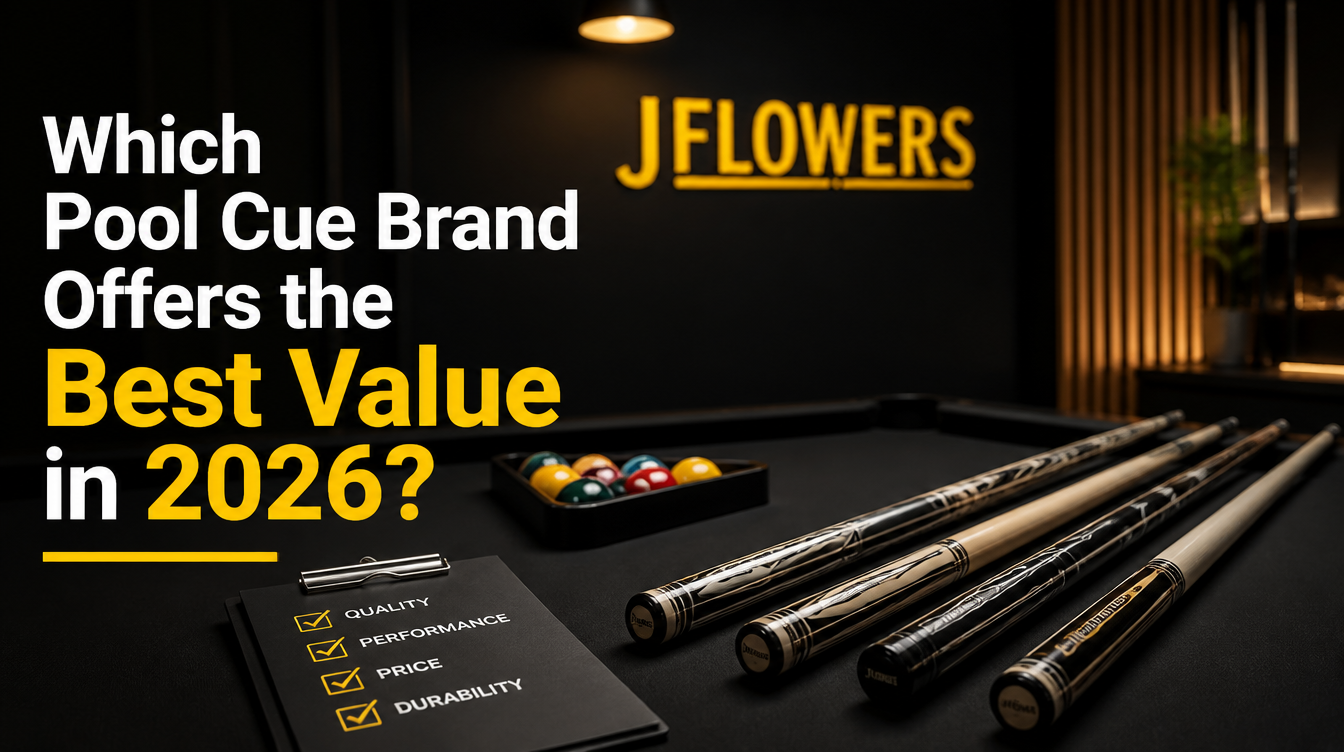
After comparing JFlowers to Predator, Mezz, McDermott, Meucci, Jacoby, Pechauer, and a dozen more brands across every price point and construction philosophy — the question that started all of it deserves a direct answer: which pool cue brand actually offers the best value for serious competitive players in
2026?
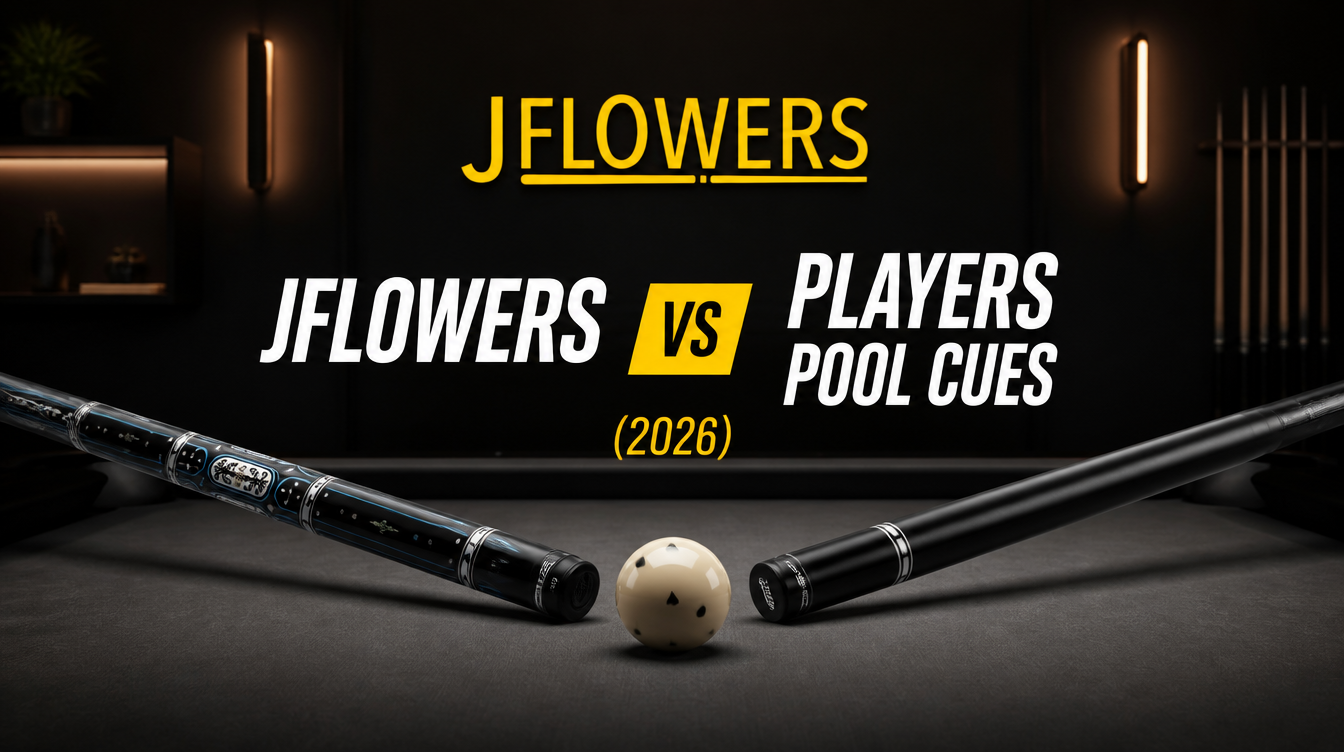
Players Technology is one of the most widely used cue brands in American pool halls. Their two-piece cues at $40-$150 have introduced millions of American players to personal cue ownership. Nearly every serious pool player in America either started on a Players cue or played against someone who did. Comparing Players to JFlowers isn’t really a direct competition — it’s a marker on the journey from beginner to serious competitor.