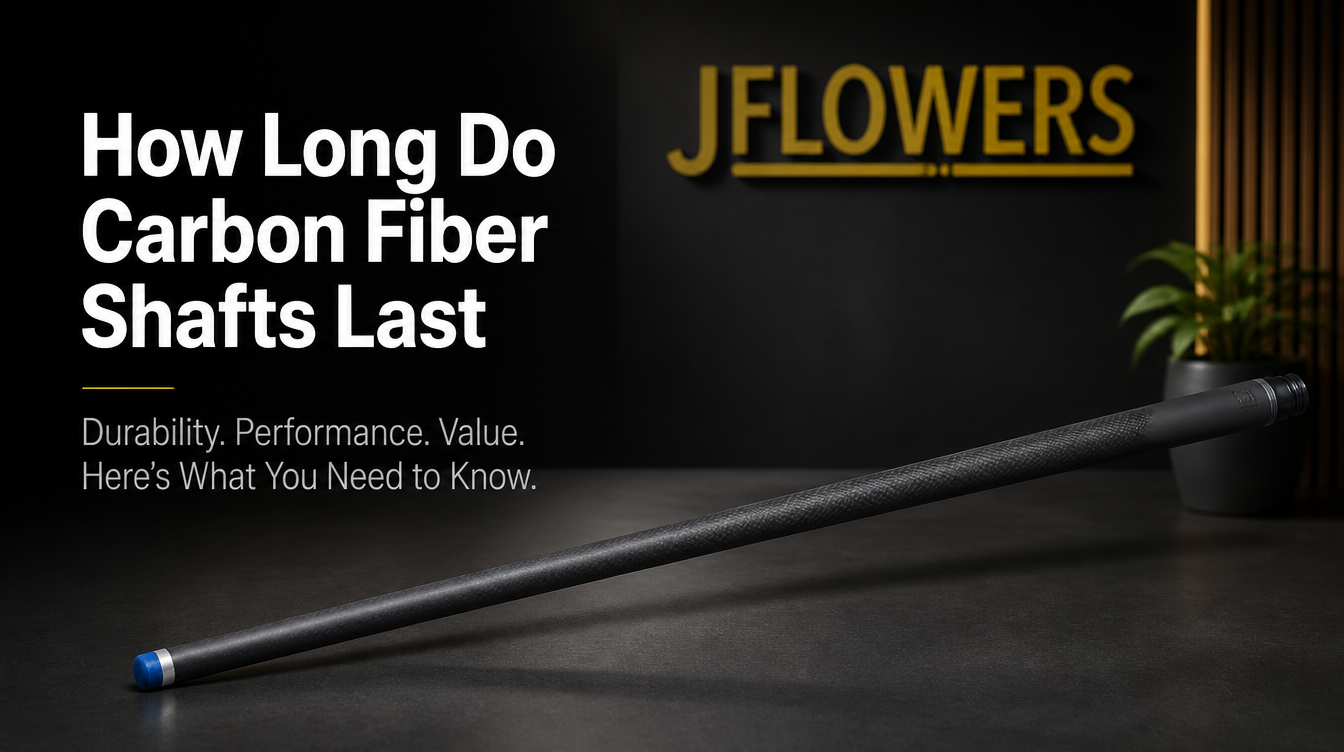
One of the most common questions players have before buying a carbon fiber shaft is how long it will actually last. It's not a small purchase — quality options start around $250 and run to $600 or more. You want to know what you're getting for that investment in terms of years of reliable use.
Listen to this article
The real lifespan of carbon fiber — and what actually wears out
The short answer: significantly longer than a comparable maple shaft, under normal playing conditions. But “how long” depends on several factors that are worth understanding before you buy.
The Honest Answer: What “Lasting” Means for a Carbon Fiber Shaft
A carbon fiber shaft doesn’t degrade the same way a maple shaft does. Maple ages through a combination of environmental exposure (humidity cycles, temperature), surface wear from regular use, and the natural changes that happen to wood over time. Eventually, a maple shaft that’s been in heavy use for several years feels different than it did when new — often warped slightly, surface worn, with inconsistent chalk grab.
Carbon fiber doesn’t do any of those things. The material itself is stable — it doesn’t warp, doesn’t absorb moisture, doesn’t develop surface wear the same way. A properly maintained carbon fiber shaft from a quality manufacturer can be in your hands performing identically ten or fifteen years after you bought it.
Expected lifespan: A quality carbon fiber shaft used regularly — 2-3 times per week — and properly maintained should last a minimum of 8-10 years. Many players use them for 15+ years without performance degradation.
What Can Actually Shorten a Carbon Fiber Shaft’s Life
Physical Impact Damage The biggest risk to a carbon fiber shaft isn’t regular use — it’s significant physical impact. Dropping the cue hard onto concrete, catching it wrong in a fall, or storing it in a way that allows it to take a hard knock can crack or chip the carbon fiber composite.
This kind of damage is more likely to be sudden and visible than the gradual degradation that affects maple. A carbon fiber shaft either survives an impact intact or it doesn’t — there’s less of the subtle warping and gradual degradation that characterizes maple aging.
The practical implication: a quality hard-sided case is essential for protecting your investment. Carbon fiber shafts are durable under normal playing conditions; they’re vulnerable to the kind of impact a good case prevents.
Joint Wear The joint — where the shaft screws into the butt — experiences wear over time regardless of shaft material. Regular assembly and disassembly of the cue gradually wears the threads. On carbon fiber shafts, the joint area is often reinforced, but this wear is still real and eventually affects how securely the shaft seats in the joint.
Good joint maintenance practice: don’t overtighten when assembling, and don’t let the joint get dirty — chalk and debris in the joint threads accelerates wear. Keep it clean.
Ferrule Damage The ferrule — the tip-end piece that the tip is attached to — can crack or chip with certain types of miscues or impacts. A damaged ferrule affects hit feel and tip retention. Ferrule replacement is a repair that cue technicians can perform, and it doesn’t require replacing the entire shaft.
Low-Quality Construction This is the most common reason carbon fiber shafts fail earlier than they should. A cheap carbon fiber shaft from a manufacturer who cut corners on construction quality won’t last like a quality mid-range or premium option. The material is the same; the construction isn’t.
This is the strongest argument for buying from established manufacturers with real track records rather than the cheapest carbon fiber option you can find online.
What Wears Out First: The Tip
The component that wears out on any cue — carbon fiber or maple — is the tip. Tips are consumables. They flatten with use, develop miscue-prone surface conditions, and eventually need replacing. This is true regardless of what the shaft is made of.
For a player using their cue 2-3 times per week, a quality medium tip typically lasts 4-8 months. Soft tips wear faster — sometimes 2-4 months for heavy users. Hard tips last longer but sacrifice some performance.
Plan for tip replacement as ongoing maintenance. A carbon fiber shaft that lasts 12 years will go through 15-20 or more tip replacements in that time. That’s expected and normal — it’s not a sign of shaft failure.
A quality maple shaft from a reputable manufacturer, well-maintained, typically has a useful playing life of 3-7 years for a regular player. Environmental exposure, surface wear, and the natural changes in wood accumulate over that time.
Players who store their maple shafts improperly, live in humid climates, or don’t maintain the surface regularly will see shorter useful lifespans — sometimes 2-3 years before noticeable performance changes.
Quality carbon fiber shafts consistently outlast maple under comparable use conditions. The material simply isn’t affected by the environmental and surface-wear factors that limit maple lifespan. For players doing the long-term math on shaft investment, carbon fiber almost always comes out ahead on cost-per-year of use.
Signs Your Carbon Fiber Shaft Needs Attention
Visible cracks or chips in the shaft surface — inspect after any significant impact.
Loose or wobbly joint — threads may be wearing or debris may be in the joint. Clean and check.
Cracked or loose ferrule — a cue technician can replace the ferrule without replacing the shaft.
Tip miscuing consistently despite fresh chalk — tip needs replacing, not the shaft.
Shaft plays differently than it used to — inspect for damage, check the tip, and verify joint tightness.
When It’s Time to Replace the Shaft
Honestly, a quality carbon fiber shaft from a reputable manufacturer shouldn’t need replacement until physical damage occurs or the joint wears to the point where it can’t hold a reliable seal. If you’re buying quality and maintaining it properly, you shouldn’t be replacing the shaft due to performance degradation.
The reasons a carbon fiber shaft gets replaced are usually: significant physical damage (cracks or chips that affect play), joint wear that can’t be repaired, or the player wanting to upgrade to a newer or different model — not because the old one wore out.
Frequently Asked Questions
Do carbon fiber shafts lose their stiffness over time? No — this is one of the clearest differences from maple. Carbon fiber’s stiffness characteristics are essentially permanent under normal playing conditions. The shaft you buy today plays the same five years from now.
Can a cracked carbon fiber shaft be repaired? Minor surface cracks can sometimes be repaired by a skilled cue technician, but structural cracks that affect performance typically can’t be fixed to full original quality. Prevention — using a good case and handling the cue carefully — is much better than repair.
Is a 10-year-old carbon fiber shaft still worth using? If it’s from a quality manufacturer, shows no physical damage, has a solid joint, and has been maintained properly — yes. The shaft’s performance characteristics don’t change with age the way maple does. A well-preserved quality carbon fiber shaft from 10 years ago can play as well as the day it was purchased.
How do I know if my carbon fiber shaft is still performing at full quality? Inspect visually for any surface damage. Check that the joint is solid with no wobble. Ensure the tip is in good condition. If all three are fine and the shaft plays the way you remember it playing, it’s performing at full quality.
Does the warranty on a carbon fiber shaft have any bearing on its lifespan? Yes — indirectly. A manufacturer that offers a meaningful warranty on their carbon fiber shaft is expressing confidence in the construction quality and longevity of the product. Warranties don’t cover normal wear, but they do signal that the manufacturer expects the shaft to last.
Final Thoughts
A quality carbon fiber shaft is one of the most durable investments you can make in your pool game. Under normal playing conditions with proper care, you should expect many years — often a decade or more — of consistent performance. What wears out is the tip, not the shaft.
What fails in extreme cases is physical damage, not gradual degradation. Buy quality. Use a good case. Replace tips on schedule. And you’ll likely still be playing on the same carbon fiber shaft long after you’ve forgotten what it cost.
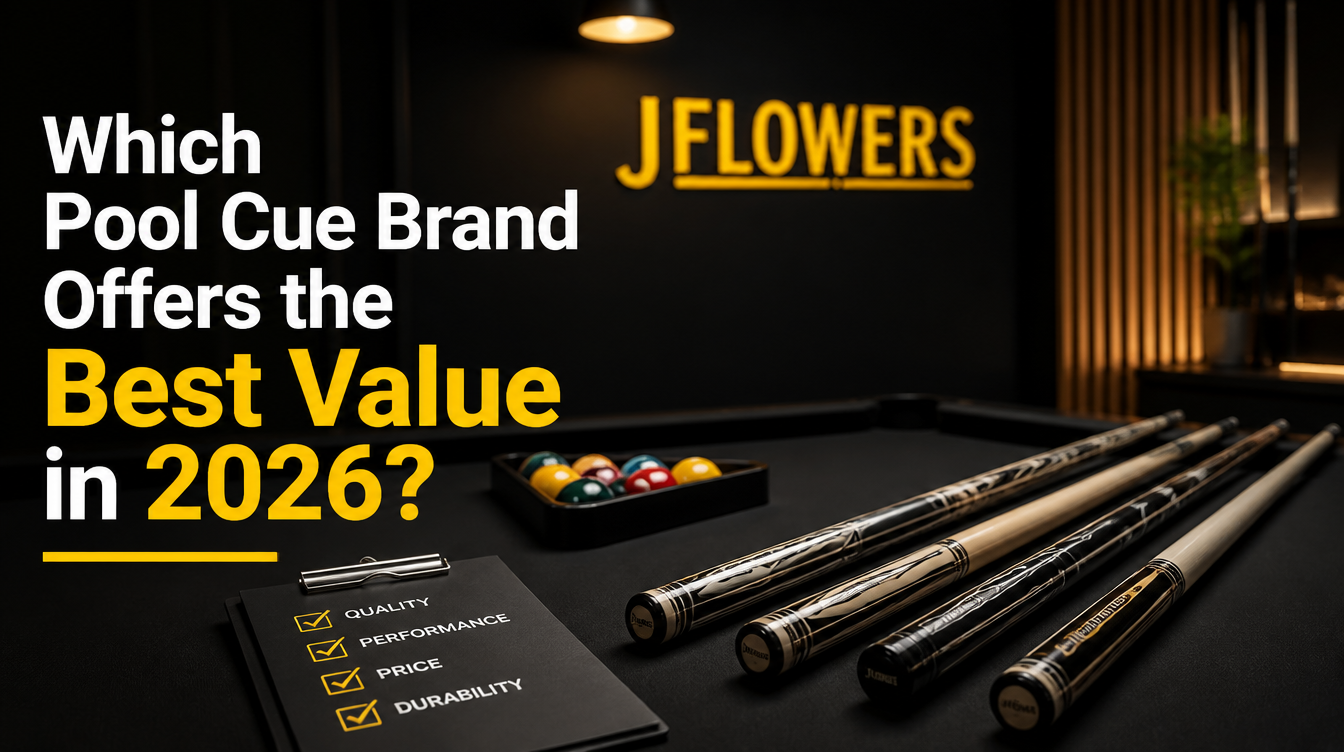
After comparing JFlowers to Predator, Mezz, McDermott, Meucci, Jacoby, Pechauer, and a dozen more brands across every price point and construction philosophy — the question that started all of it deserves a direct answer: which pool cue brand actually offers the best value for serious competitive players in
2026?
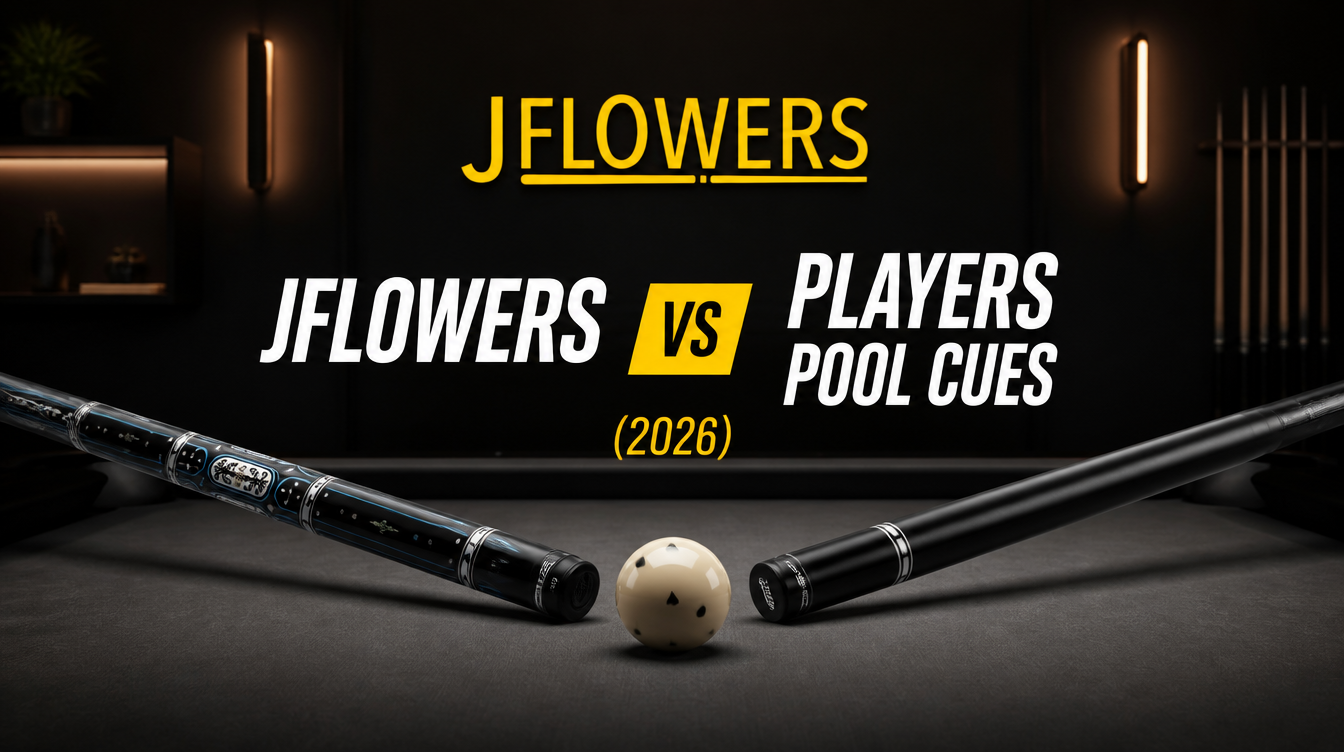
Players Technology is one of the most widely used cue brands in American pool halls. Their two-piece cues at $40-$150 have introduced millions of American players to personal cue ownership. Nearly every serious pool player in America either started on a Players cue or played against someone who did. Comparing Players to JFlowers isn’t really a direct competition — it’s a marker on the journey from beginner to serious competitor.