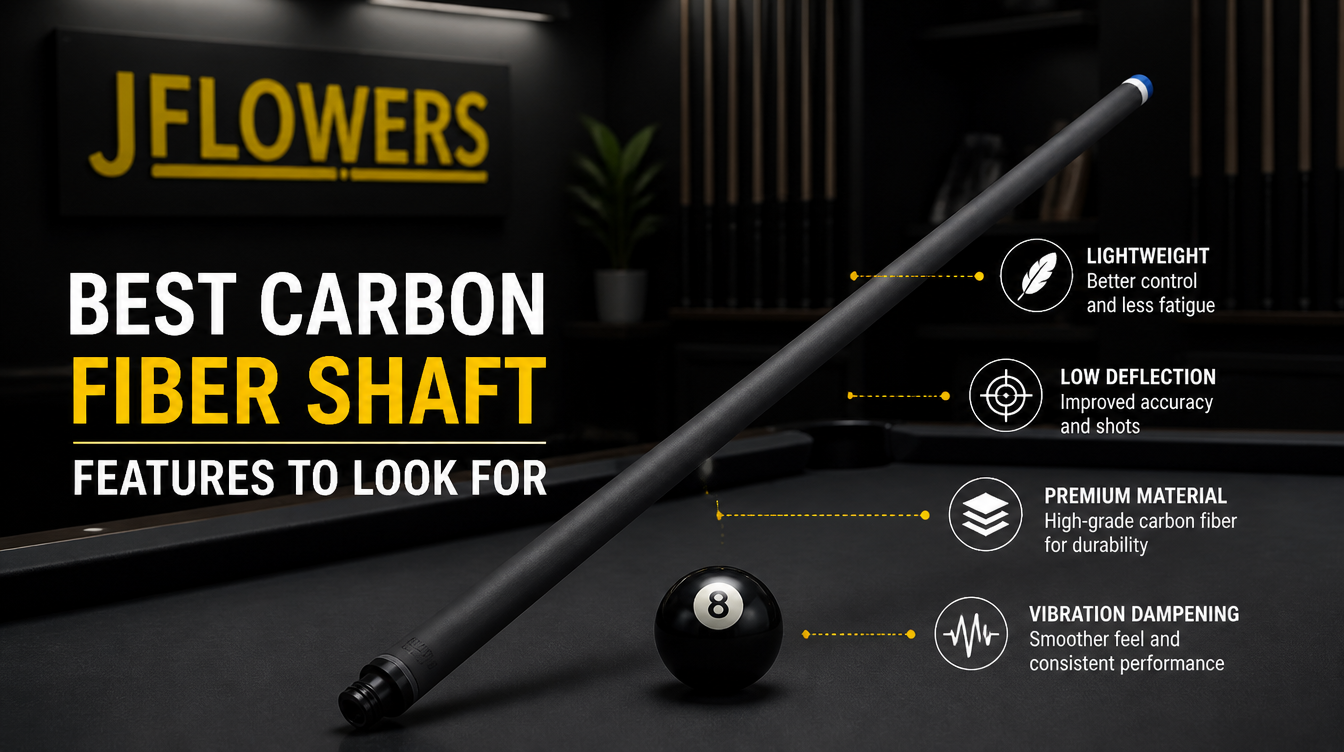
Not all carbon fiber shafts are equal. The material is the same at a basic level — carbon fiber composite around a core — but what a manufacturer does with that material varies enormously. The result is a market where two carbon fiber shafts at similar price points can play completely differently.
Listen to this article
What actually separates a great carbon fiber shaft from an average one
This guide breaks down the specific features that separate a great carbon fiber shaft from an average one — what to look for, what the spec sheet doesn’t tell you, and what you should be asking about before you spend your money.
Feature 1: Construction Quality and Layup
The most fundamental quality variable in a carbon fiber shaft is the construction — specifically the layup: how the carbon fiber material is oriented and stacked around the core. This is where the engineering investment shows up most clearly.
A quality layup produces a shaft that is stiff in the right places, has predictable flex characteristics, and performs consistently across thousands of shots. A poor layup produces a shaft that may feel fine at first but develops inconsistency over time, or has flex characteristics that work against you on certain shot types.
You can’t evaluate layup quality by looking at the shaft — it’s an internal construction detail. This is where brand reputation, player reviews, and warranty coverage matter: they’re proxies for construction quality that you can’t directly assess at the point of purchase.
What to look for: Brands that have been in the carbon fiber market long enough to have refined their layup process, and that have real player feedback from competitive use. Generic or no-name carbon fiber shafts often cut corners in the layup.
Feature 2: Ferrule Design and Material
The ferrule is the small cylinder at the tip end of the shaft — and it has a disproportionately large effect on how the shaft feels on contact. This is one of the most meaningful variables between carbon fiber shafts at similar price points.
Harder Ferrule Materials (Phenolic, Hard Composite) Harder ferrules produce a crisper, more direct hit. The energy transfer is efficient and the contact feel is distinct and snappy. Many players who prefer the performance characteristics of carbon fiber specifically like this feel — clean, direct, immediate feedback. The tradeoff: harder ferrules transmit more vibration to the hand, which some players find uncomfortable over a long session.
Softer Ferrule Materials (Ivory-tone composite, engineered polymer) Softer ferrule materials are specifically designed to bring the carbon fiber hit feel closer to what players are used to from quality maple shafts. They absorb some of the vibration that harder ferrules transmit and produce a warmer hit.
If the feel difference between carbon fiber and maple is your primary concern about switching, researching the ferrule design of specific shafts is essential. Some carbon fiber shafts are specifically engineered with this transition in mind.
What to look for: Research the ferrule material of any shaft you’re considering and look for player reviews specifically about hit feel. This is the most subjective variable and the one most worth getting right before purchasing.
All carbon fiber shafts are low deflection — but not equally so. The degree of deflection reduction and, critically, the consistency of that deflection across different shot types and conditions is what distinguishes quality options.
A shaft that produces measurably low deflection on standard english shots but becomes inconsistent on extreme spin or elevated cue angles isn’t delivering full low-deflection performance. The best carbon fiber shafts maintain consistent deflection characteristics across the full range of shot types you’ll encounter in real play.
When researching shafts, look for player reviews that cover performance across different shottypes — not just standard english shots but also extreme english, elevated shots, and long-distance accuracy with spin. Real-world performance across varied shots tells you moret han a single deflection rating.
A great shaft works with the tips you want to use. Most quality carbon fiber shafts in the 12–13mm range are compatible with the full range of quality tip brands — Kamui, Taom, Tiger, Triangle, and others. But it’s worth verifying, particularly for shafts at the edges of the diameter range.
Tip diameter matters for feel and precision. Many advanced players and many carbon fiber shafts use 12mm tips — the smaller contact area allows for more precise placement of english on the cue ball. Larger tips (12.75–13mm) are more forgiving on off-center hits, which beginners and developing players may prefer.
Some carbon fiber shafts come with quality tips pre-installed from brands like Kamui or Tiger. Others come with a generic stock tip that benefits from an upgrade. Ask what tip is included and factor in a potential tip upgrade cost when comparing prices.
Feature 5: Joint Compatibility
If you’re buying a shaft to pair with an existing butt, joint compatibility is non-negotiable. The shaft must match your cue’s joint specification or it won’t work at all. The most common joint specifications in American pool cues:
5/16×18 — The most common thread specification. If you’re unsure what your cue uses, this is most likely.
3/8×10 — Also common, particularly on some older and European cue designs.
Radial pin — Used by some manufacturers. Verify compatibility before ordering.
Other proprietary systems — Some brands use unique joint designs. Check documentation.
Verify your cue’s joint specification before purchasing any shaft. If you’re not sure, take your cue to a pool supply shop and have it checked.
Feature 6: Taper Profile
The taper — how the shaft narrows from the joint toward the tip — affects feel, balance, and how the shaft flexes during the stroke. Two common taper styles in the market:
Pro Taper A pro taper maintains a relatively consistent diameter for the first 12–14 inches from the joint before tapering toward the tip. This produces a stiffer, more consistent feel along the length of the shaft — many competitive players prefer this for the direct feedback it gives during the stroke.
European (Conical) Taper A European taper gradually and continuously narrows from joint to tip. This produces a softer, more responsive feel — the shaft has more visible flex during the stroke. Some players love this for feel; others find it less precise.
In carbon fiber shafts, taper profile interacts with the material’s inherent stiffness to produce the final playing feel. A European taper on carbon fiber will still be stiffer than a maple shaft with the same taper, but it’s noticeably softer than a pro taper carbon fiber shaft.
Feature 7: Brand Warranty and Support
At $250–$600 for a quality carbon fiber shaft, warranty coverage and brand support are not optional considerations. A reputable manufacturer stands behind their product with a clear warranty against manufacturing defects and accessible customer support.
Research what the warranty actually covers — some warranties exclude damage from normal use, tip replacement, or specific storage conditions. Know what you’re covered for before you need it.
Customer support quality is also worth researching. Brands that have been in the market for years, have established dealer networks, and have accessible support are generally safer choices than newer or unknown brands at the same price point.
Feature 8: Visual Quality and Finish
While performance is the primary consideration, the visual quality and finish of a carbon fiber shaft can tell you something about overall manufacturing standards. Clean, consistent weave pattern (when visible), smooth and even finish, cleanly finished joints and ferrule seams — these are signs of attention to manufacturing quality.
Uneven weave pattern, rough or inconsistent surface finish, or poorly fitted ferrules and joints can signal that the construction quality overall may be lower than you want in a performance shaft at this price point.
Features That Are Mostly Marketing
Not everything on a carbon fiber shaft spec sheet translates to real performance:
Specific “nano” or exotic material claims — these are often marketing language for standard carbon fiber construction.
Extreme low-deflection number claims without verification methodology — difficult to compare across brands without standard testing.
Elaborate branding or graphics — decorative, not performance-related.
Focus on the variables that are verifiable and meaningful: construction reputation, ferrule design, deflection consistency, joint compatibility, and warranty coverage.
Frequently Asked Questions
What is the most important feature in a carbon fiber shaft? Construction quality and consistency — the layup and how the shaft is actually built. This is the foundation everything else rests on. Followed closely by ferrule design, which most directly affects hit feel.
Should I pay more for a higher-end carbon fiber shaft? In the mid-range ($250–$450), yes — the quality jump from entry-level to mid-range is significant. Above $450, the performance gains become more incremental and you’re paying for premium brand reputation and finer tolerances. The mid-range is where most serious players get the best value.
What tip should I put on a carbon fiber shaft? Most players on carbon fiber use medium to medium-soft layered tips — Kamui Black medium, Taom, or Tiger Everest are popular. The low deflection of the shaft combined with a quality medium tip gives you good spin capability and reliable feedback.
Does the color of the carbon fiber affect anything? No. Carbon fiber shafts are available in various finishes and colors — matte black, glossy, with visible weave pattern or smooth finish. These are all cosmetic choices that don’t affect performance.
How long should a quality carbon fiber shaft last? A quality carbon fiber shaft, properly maintained, can realistically last 10+ years. The material doesn’t degrade the way wood does. Tips need replacing; the shaft itself is built to outlast many tip cycles.
Final Thoughts
The best carbon fiber shaft for you is one that has strong construction quality from a reputable manufacturer, a ferrule design that produces a hit feel you’re comfortable with, and a deflection profile that’s consistent across the full range of shots in your game. Those three things matter more than brand prestige, visual design, or marketing claims.
Do the research on specific models. Read real player reviews. Ask in pool communities where players with similar games to yours discuss their experiences. And buy with a return policy if you can.
After comparing JFlowers to Predator, Mezz, McDermott, Meucci, Jacoby, Pechauer, and a dozen more brands across every price point and construction philosophy — the question that started all of it deserves a direct answer: which pool cue brand actually offers the best value for serious competitive players in
2026?
Players Technology is one of the most widely used cue brands in American pool halls. Their two-piece cues at $40-$150 have introduced millions of American players to personal cue ownership. Nearly every serious pool player in America either started on a Players cue or played against someone who did. Comparing Players to JFlowers isn’t really a direct competition — it’s a marker on the journey from beginner to serious competitor.