A pool cue case is one of those purchases that most players don't think nearly hard enough about. The cue gets all the attention — hours of research, careful comparison, deliberate testing. The case gets grabbed from the shelf next to the register or thrown in with a bundle deal. And then the cue ends up in a case that doesn't protect it properly, doesn't hold the right number of shafts, and falls apart in six months.
Listen to this article
What to look for, what to avoid, and how to match the case to how you play and travel
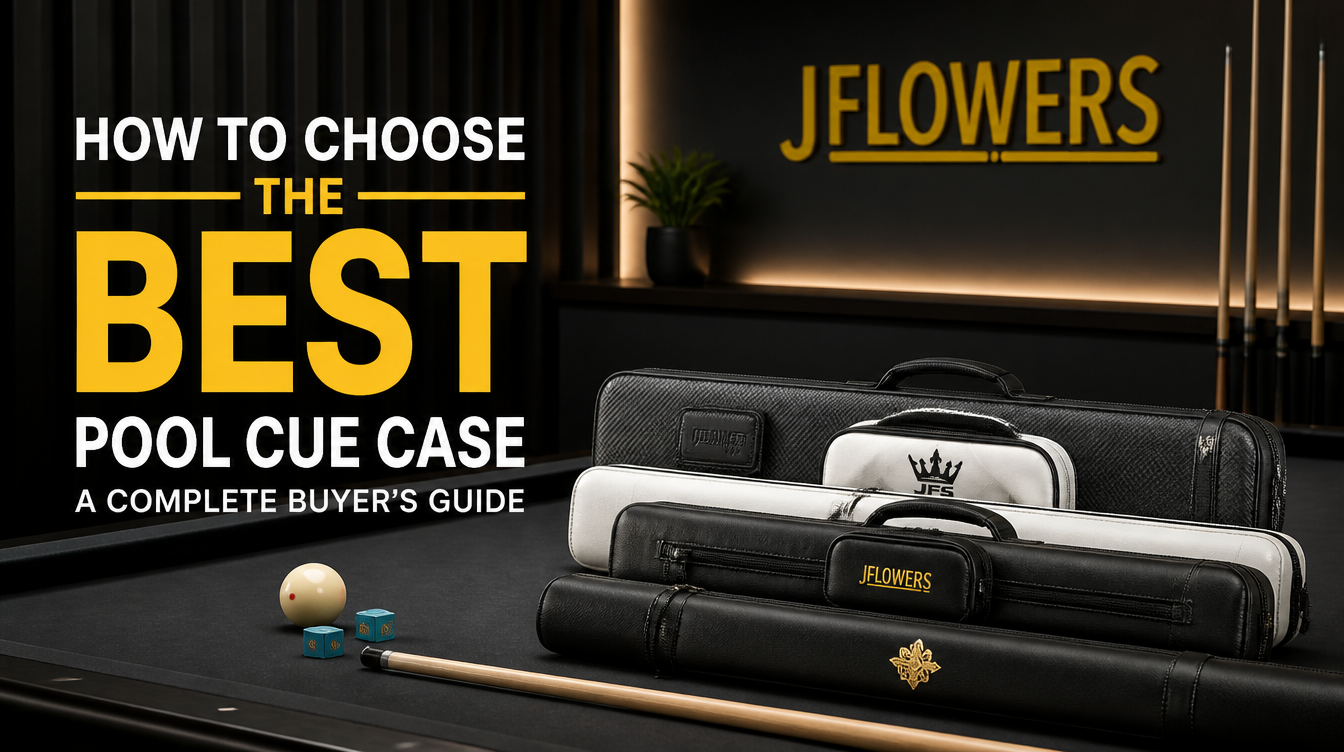
This guide covers how to properly choose a pool cue case — from the fundamental hard vs soft decision through configurations, quality indicators, and specific features worth paying for.
The First Decision: Hard Case or Soft Case
This is the most important decision in cue case shopping. Hard cases and soft cases offer genuinely different levels of protection and serve different situations.
Hard cases have a rigid shell — typically made from aluminum, injection-molded plastic, or hard composite — that protects the cue from physical impact, compression, and the kind of damage that happens when luggage or equipment gets stacked on top of your cue or thrown around in transport. If you transport your cue regularly, travel to tournaments, or put your case in a car trunk, a hard case is the right answer.
Soft cases have a fabric or synthetic exterior with padding underneath. They’re lighter and easier to carry, but the padding compresses under impact and doesn’t provide meaningful protection against anything that presses or impacts from outside the case. A soft case leaned against a wall in a pool hall is fine. A soft case in the trunk of a car is not real protection.
Rule of thumb: if the case ever goes in a car trunk, on a plane, or into any environment where it might get knocked around — it needs to be hard-sided. Soft cases are for short carries in controlled environments only.
Case Configuration: How Many Cues Do You Need to Carry?
Pool cue cases are rated by the number of butts and shafts they carry — a 1×1 holds one butt and one shaft (one complete two-piece cue), a 2×4 holds two butts and four shafts, and so on.
1×1 Cases For players who carry a single playing cue and nothing else. Compact, easy to carry, and fine for recreational players who play at one pool hall and don’t compete. The minimum viable case for protecting a quality cue.
2×2 Cases The most popular configuration for serious recreational and league players. Holds two complete cues — typically a playing cue and a break cue — with room for chalk, a tip tool, and small accessories in pockets. This is the configuration most players with a complete competitive setup gravitate toward.
2×4 and 3×5+ Cases For players who carry multiple shafts (common among competitive players who want backup options or have different shaft setups for different games), or who travel to multi-day tournaments where having more than one complete setup provides security. These larger cases are heavier but genuinely useful for serious competitive players.
Shell Material (Hard Cases) The shell material determines how much impact the case can absorb and how long it holds up. Aluminum cases are the most durable and are specifically built for travel and heavy use — they handle being thrown in luggage holds and stacked under heavy bags. Injection-molded hard plastic cases are more affordable and protective enough for car transport and local league play but less robust than aluminum for true travel use.
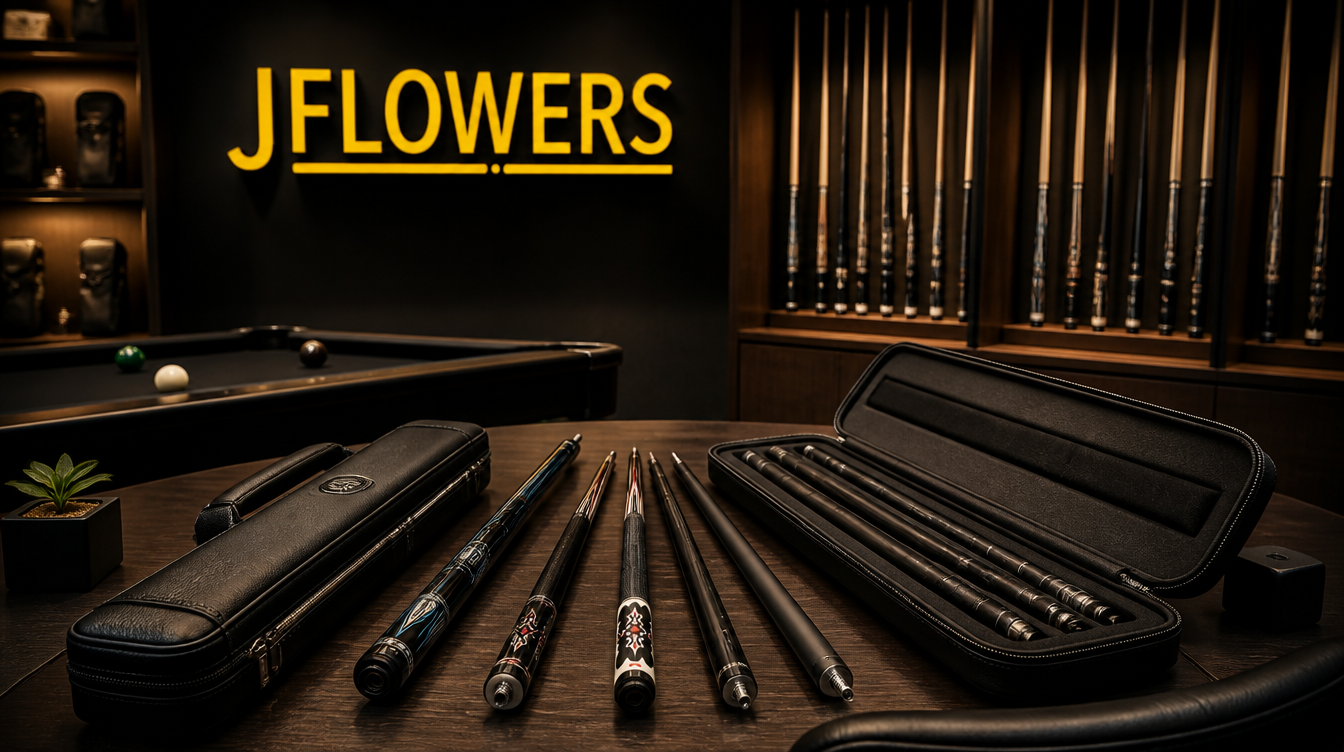
Interior Padding and Fit The interior should hold the cue components firmly without applying pressure to the joint area. Look for cases where the shaft and butt each sit in dedicated compartments with adequate padding that doesn’t allow the cue to shift or rattle during transport. A case where the cue components can move around inside provides dramatically less protection than one where they’re held securely.
Closures and Latches Zipper closures are most common on mid-range cases. Quality metal zippers that run smoothly and don’t catch on fabric are significantly better than cheap zippers that jam, separate, or wear out quickly. Latched hard cases use snap or locking mechanisms — these should open and close with a firm, positive click rather than feeling loose or uncertain.
Strap and Handle Quality If you carry your case any significant distance, the shoulder strap and handles need to hold up. Look for reinforced stitching at attachment points, padded shoulder straps for comfort, and handles that are actually comfortable to grip rather than thin fabric loops.
Features Worth Paying For
Dedicated shaft and butt compartments that hold each piece securely without contact between them
External accessory pockets large enough for chalk, tip tools, a towel, and gloves
Moisture-resistant exterior material on hard cases
Padded, adjustable shoulder strap that stays on the shoulder during a walk
Interior that can be wiped clean — chalk dust accumulates in case interiors over time
TSA-compatible locks on travel cases that will be checked as luggage
Features That Don’t Matter Much
Brand logos and aesthetic branding on the case exterior — doesn’t affect protection
Rigid “tactical” aesthetics that add weight without adding protection
Extra compartments you’ll never use — they add weight and bulk
Matching aesthetics to your cue — protection is the purpose, appearance is secondary
Budget Guidelines
Cue case pricing ranges from under $20 for basic soft cases to $300+ for premium aluminum travel cases. Here’s where the value actually lives:
Under $30: Basic soft cases. Acceptable only for very casual carry in controlled environments.
$30–$60: Entry-level hard cases and better soft cases. Workable for local play and car transport.
$60–$120: Mid-range quality hard cases. The sweet spot for most serious recreational and league players. Good protection, durable construction, proper configuration options.
$120–$250: Premium hard cases and aluminum cases. Appropriate for competitive players and frequent travelers. Built to last years of regular use.
$250+: High-end aluminum travel cases specifically designed for airline checked baggage. Worth it for players who travel by plane to tournaments regularly.
Cue Armour approaches case design the same way its apparel line approaches gear: performance-first, built to standards that serious players actually need. Cue Armour cases are designed for players who take their equipment seriously — construction quality that holds up to regular transport, configurations that work for competitive setups, and a fit and finish that reflects where your game is.
Whether you’re heading to league night or a national tournament, the case around your cue deserves the same attention you gave the cue itself. A quality case is not an afterthought — it’s the first line of defense for an investment you’ve put real thought and money into.
Is a hard case worth it if I only play locally? If your cue ever goes in a car — even for local play — a hard case is worth it. The protection against heat, humidity, and impact that a hard case provides versus a soft case is significant even for local transport. The price difference at the entry level is not large enough to justify the protection gap.
What configuration should a beginning player buy? A 1×1 or 2×2 hard case. 1×1 if you have only a playing cue; 2×2 once you add a break cue, which most players do within their first year of playing seriously. Don’t buy a soft case as your primary protective case.
Should the case match my cue aesthetically? That’s entirely personal preference. Protection quality has nothing to do with aesthetics. Choose the case that protects and carries your cue correctly first. If it also looks good, great.
How long should a quality cue case last? A quality mid-range hard case used regularly should last 3-5 years minimum. Premium aluminum cases can last a decade or more. Soft cases typically last 1-2 years before zippers, padding, or fabric show significant wear.
Can I put my cue case in airline overhead bins? Depends on the case size and the aircraft. A standard 2-piece cue in a compact case often fits in overhead bins. Larger configurations may need to be checked. Check your airline’s carry-on size limits against your specific case dimensions before traveling.
Final Thoughts
Your pool cue deserves a case that actually protects it. Hard case, right configuration, quality construction, proper interior fit — these aren’t premium luxuries. They’re the baseline for protecting an investment that may have cost you several hundred dollars and represents the most important tool in your game.
Spend time on this decision the same way you spent time choosing the cue. The case is what keeps that cue in top condition for years.
After comparing JFlowers to Predator, Mezz, McDermott, Meucci, Jacoby, Pechauer, and a dozen more brands across every price point and construction philosophy — the question that started all of it deserves a direct answer: which pool cue brand actually offers the best value for serious competitive players in
2026?
Players Technology is one of the most widely used cue brands in American pool halls. Their two-piece cues at $40-$150 have introduced millions of American players to personal cue ownership. Nearly every serious pool player in America either started on a Players cue or played against someone who did. Comparing Players to JFlowers isn’t really a direct competition — it’s a marker on the journey from beginner to serious competitor.