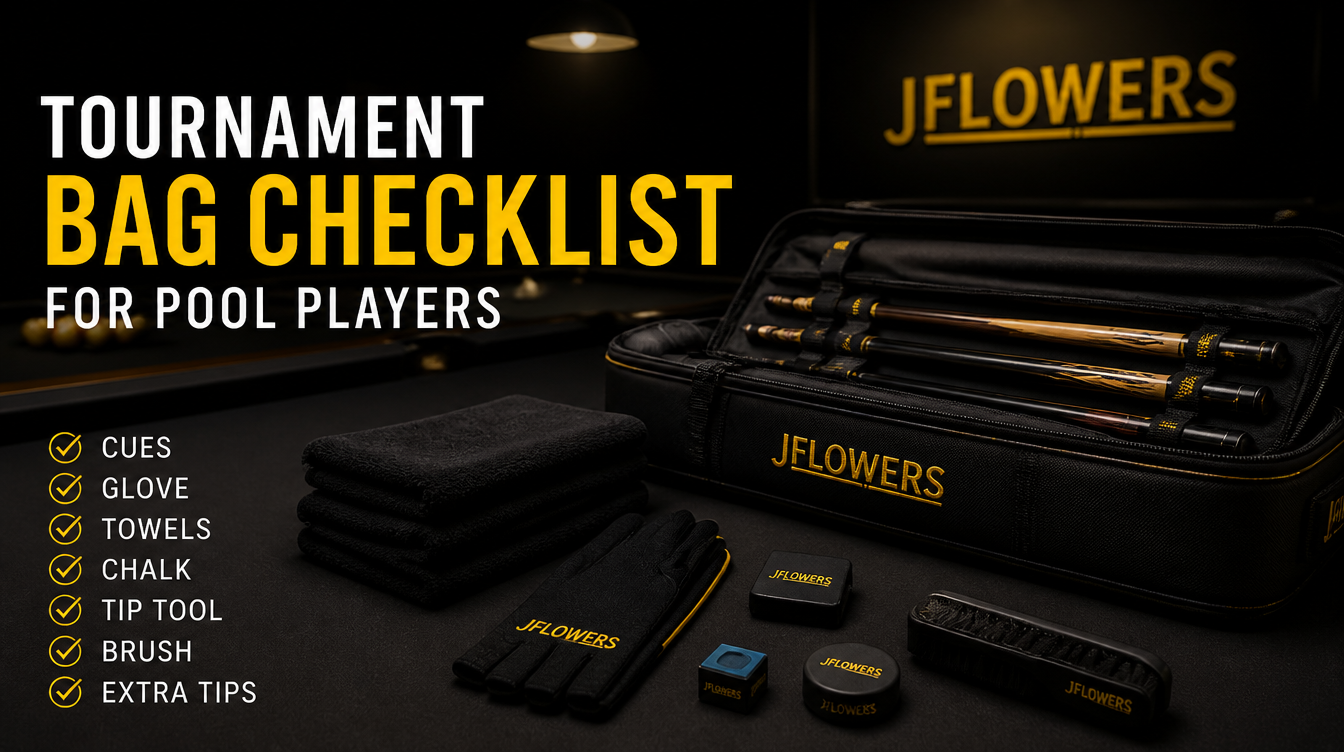
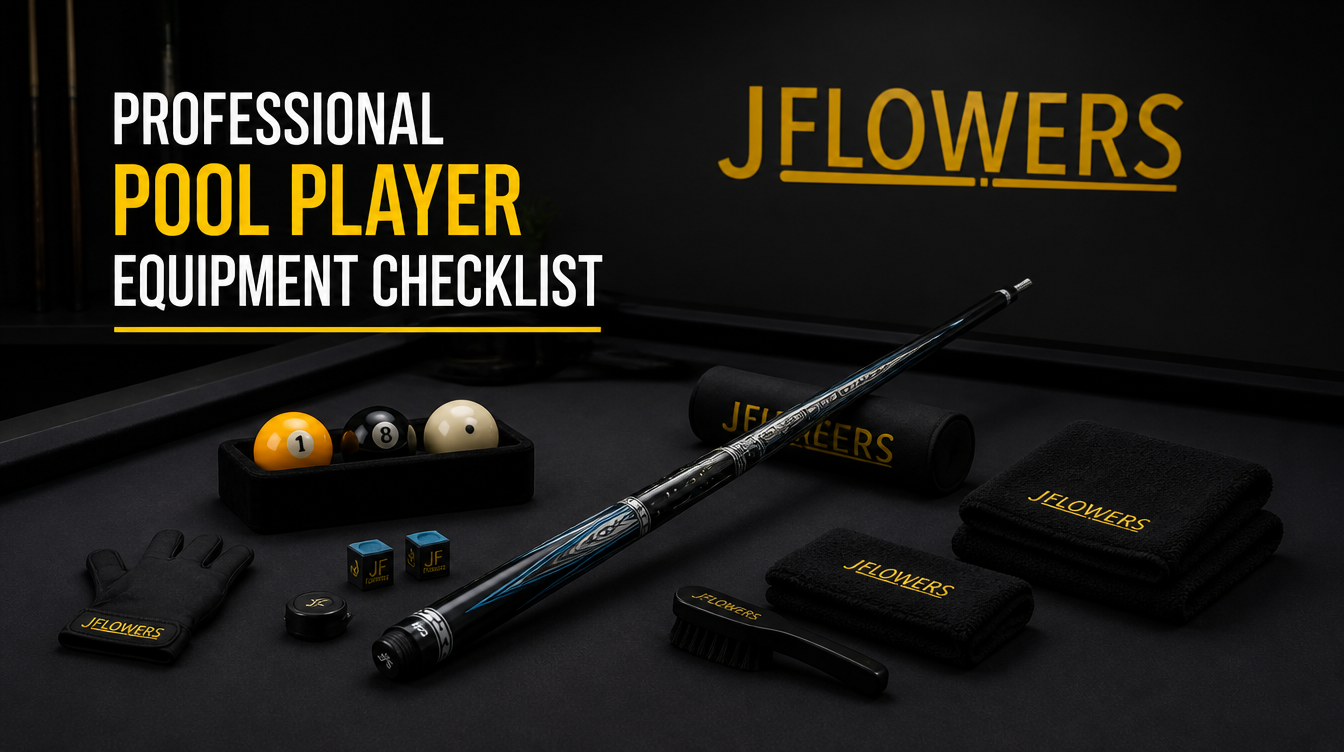
What professional pool players carry to tournaments is more thoughtfully assembled than most amateur players realize. Professionals have tested every component over thousands of hours and hundreds of events. Their equipment decisions reflect what actually makes a difference when performance matters
most.
Category Archives: Learn More About Pool Equipment
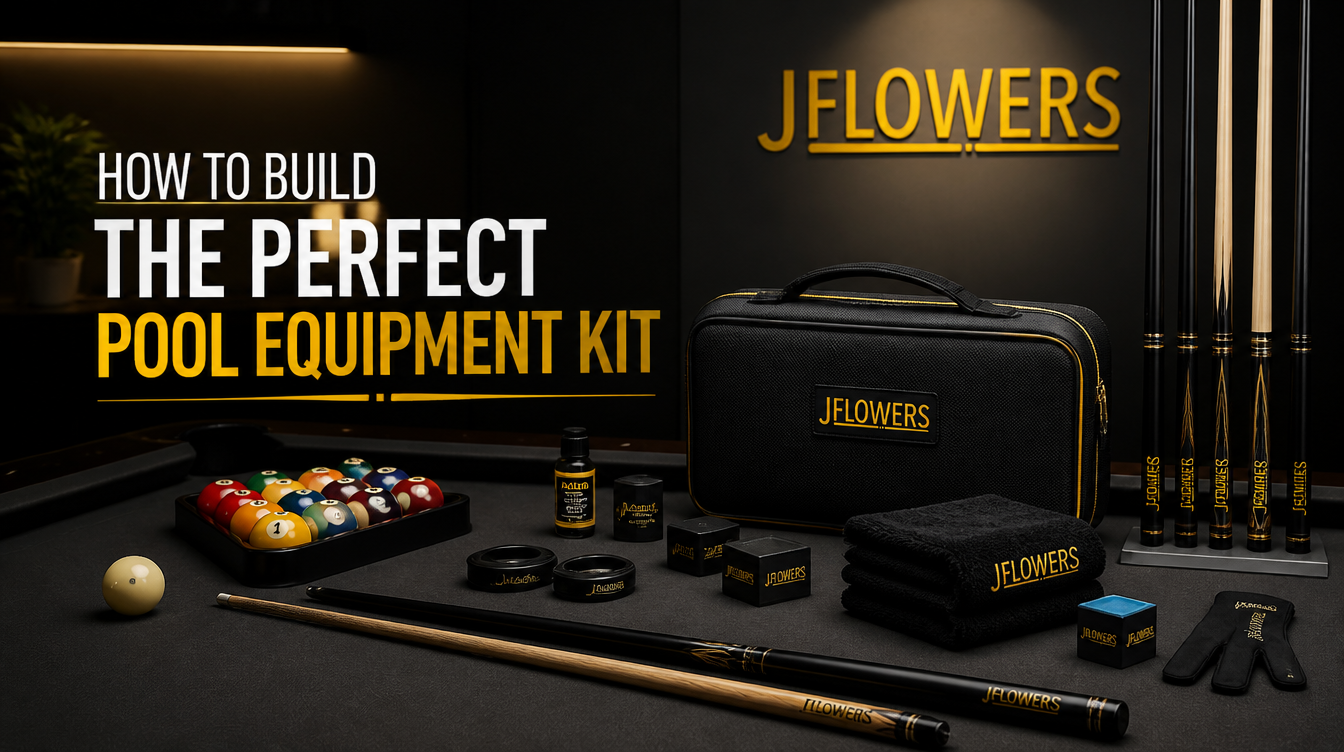
A perfect pool equipment kit isn’t the most expensive setup. It’s the setup that removes every equipment variable from your game while matching your competitive level, budget, and playing style. This guide walks through building that setup systematically — from the cue to the accessories — with specific
recommendations at each step.
Tournament preparation is where equipment management pays off most directly. You’re playing multiple matches across hours or days in an unfamiliar venue. Equipment that fails, accessories you forgot, or a tip problem with no spare — these are the avoidable disasters that end tournament runs for players who
showed up unprepared.
Every serious pool player chalks before every shot. Most beginners chalk occasionally, when they remember. The players who chalk consistently hit fewer miscues, execute english more reliably, and
maintain better contact performance throughout a session. This isn’t coincidence — it’s the direct result of what chalk does at the moment of contact.
Walk into any serious billiards player’s case and you’ll find a microfiber cloth somewhere in it. The material has become the standard for shaft cleaning, hand drying, and general equipment care in competitive pool. Understanding why microfiber works better than alternatives helps you choose the right cloth and use it correctly.
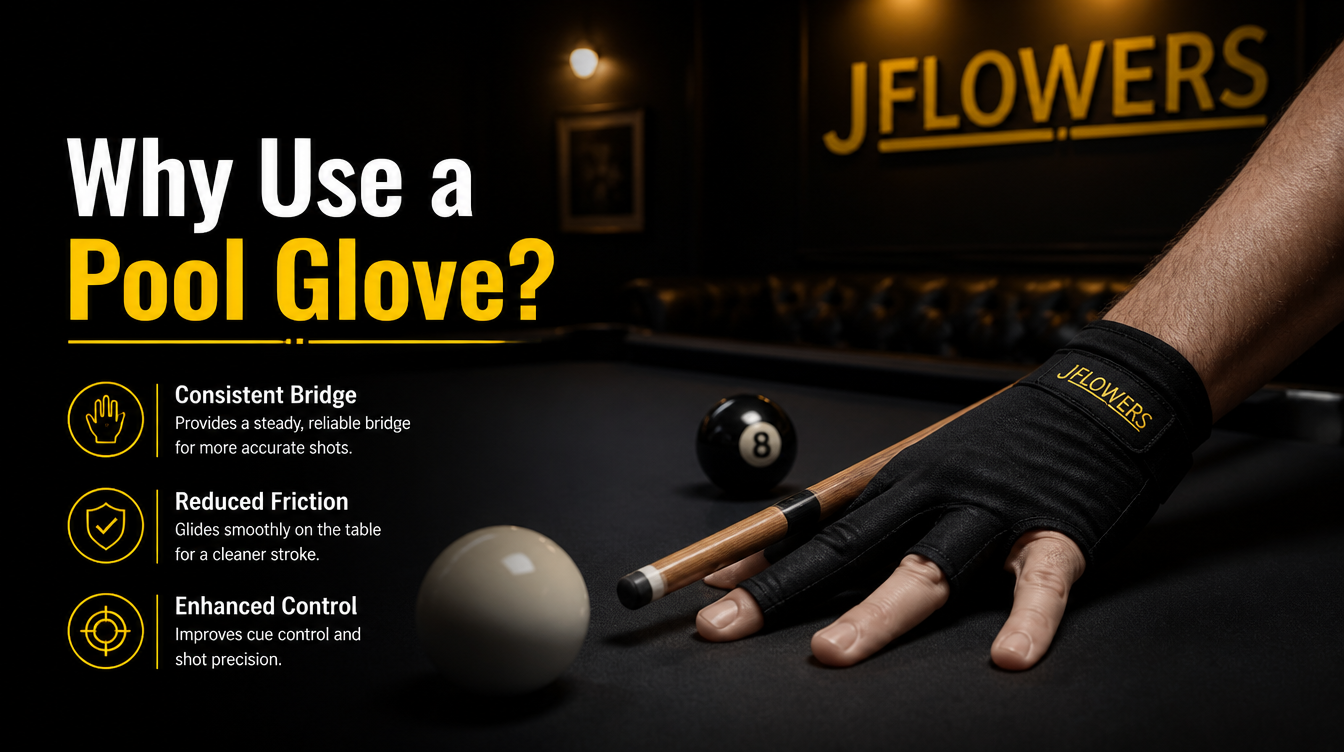
Pool gloves are consumable items — they wear over time and eventually need replacement to maintain their performance benefit. The timeline depends on how often you play, how hard you play, and how well you maintain the glove between sessions.
A pool glove is one of those accessories that players either swear by or have never seriously considered. Players who’ve always played without one often assume it’s unnecessary. Players who’ve made the switch tend to wonder why they waited.
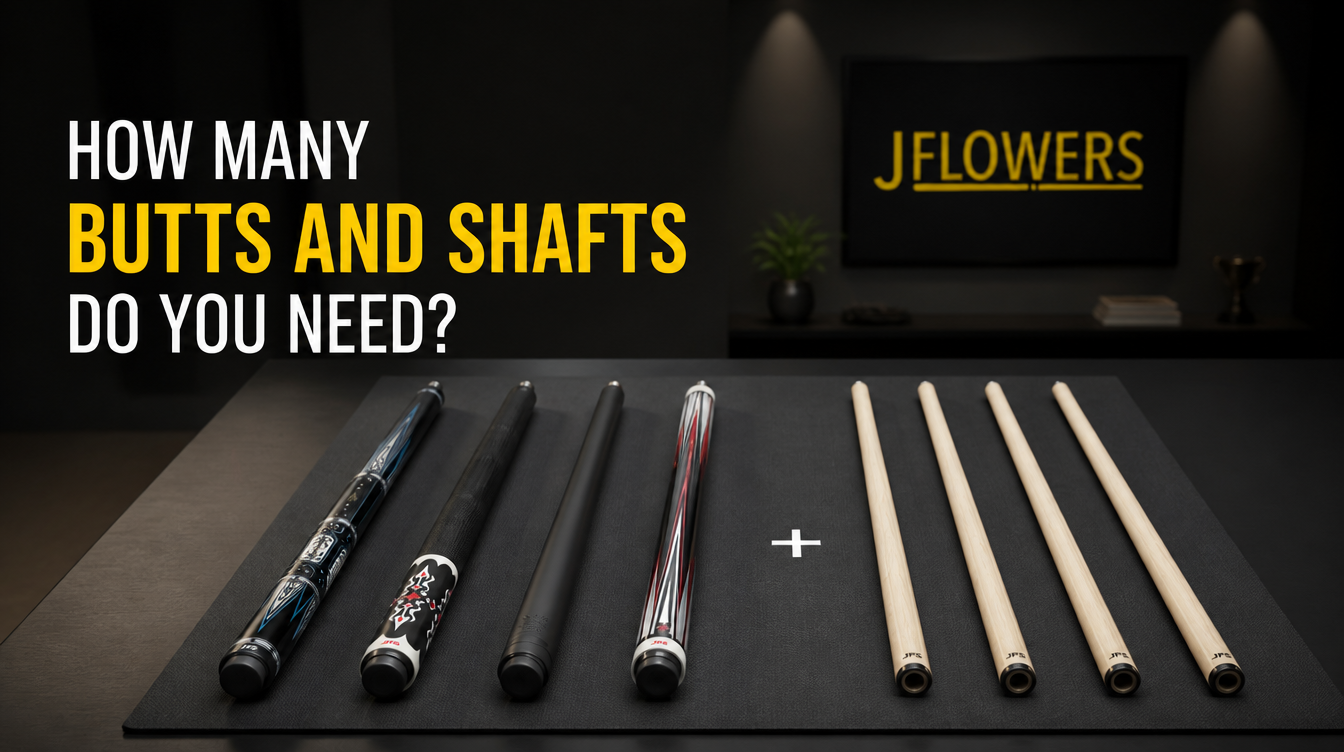
The question of how many butts and shafts to carry is really a question about what kind of player you are and what situations you need to be prepared for. The right answer for a once-a-week recreational player is very different from the right answer for a competitive tournament player who plays multiple formats.
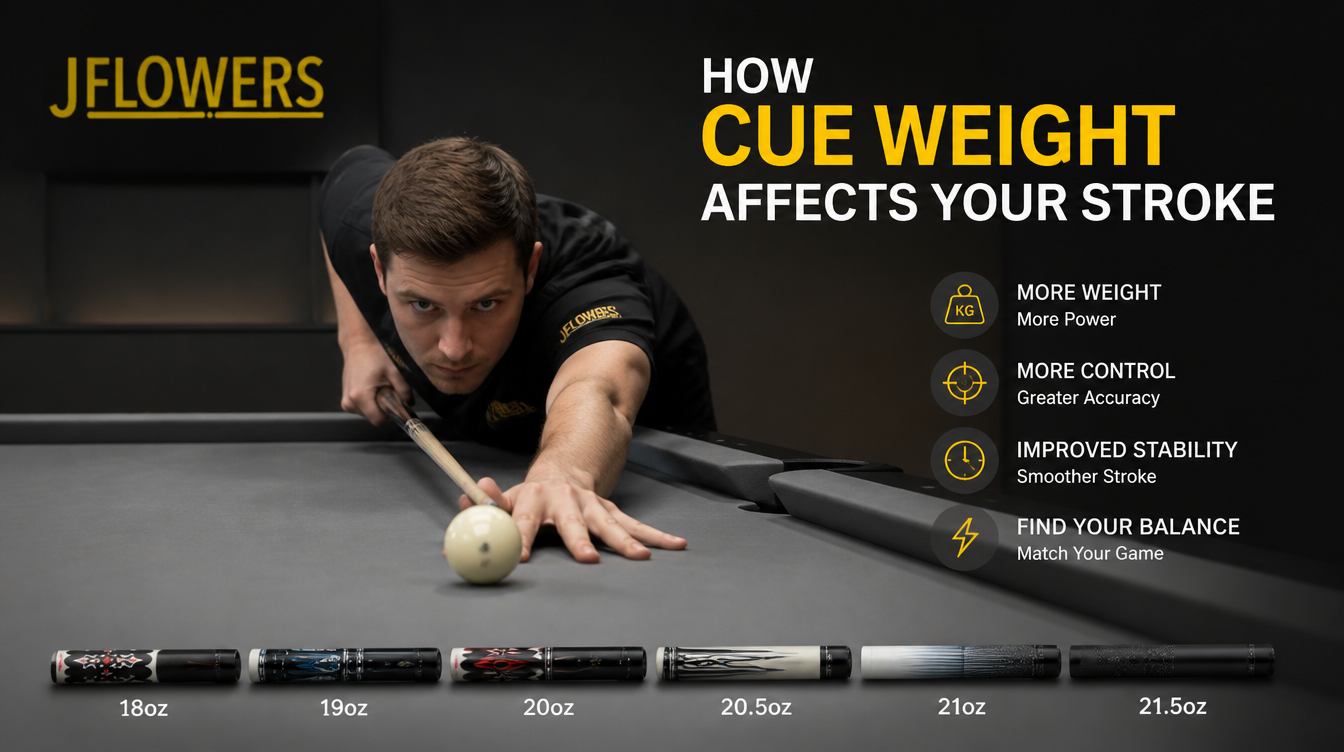
Pool cue weight is one of the first things players check when shopping — and one of the most misunderstood variables in the whole game. The myths around weight are persistent: heavier
means more power, lighter means more speed, the right weight is whatever the pros use. Most of this is wrong or oversimplified.
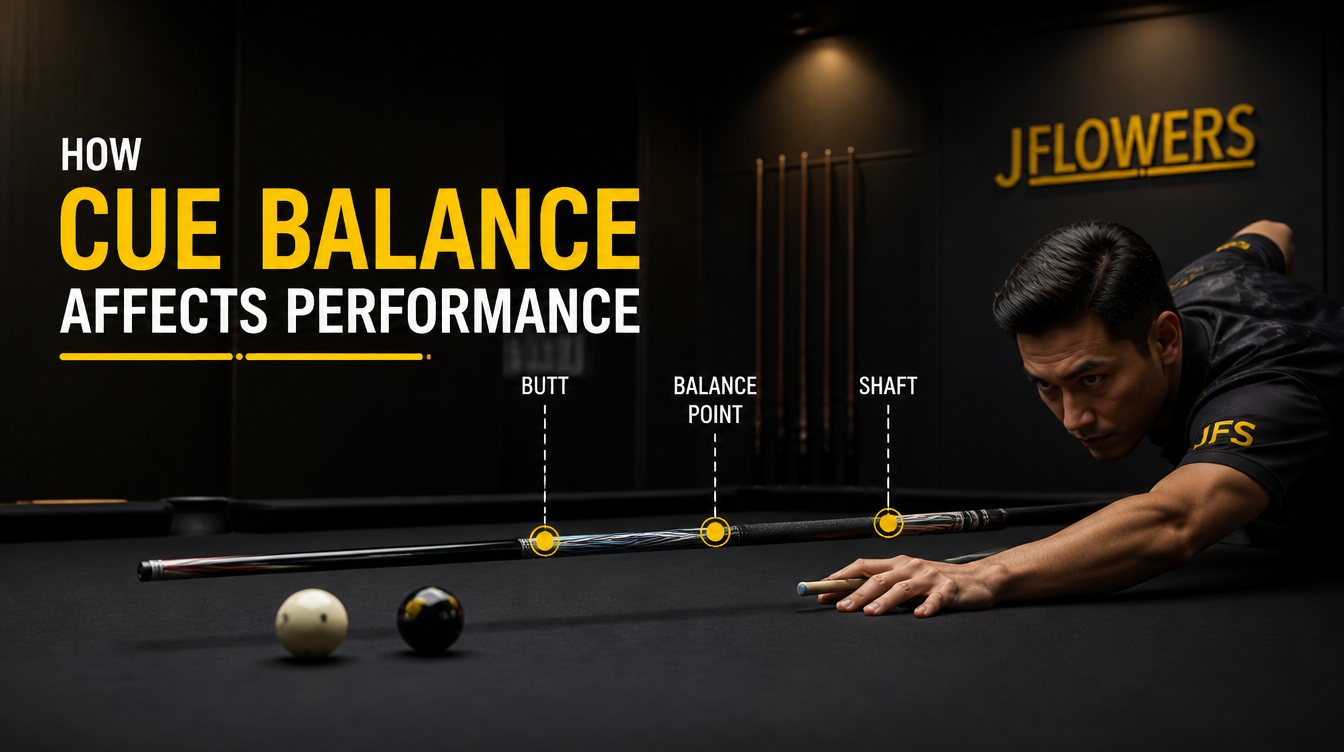
Ask most pool players what weight cue they use and they’ll tell you instantly. Ask them where the balance point is — and most will have no idea. Yet two cues with the exact same weight can feel completely different in your hand and during your stroke, entirely because of how that weight is distributed. Balance is one of the most underappreciated variables in cue selection, and understanding it properly can change how you shop for equipment and how you evaluate what you currently play with.
- 1
- 2