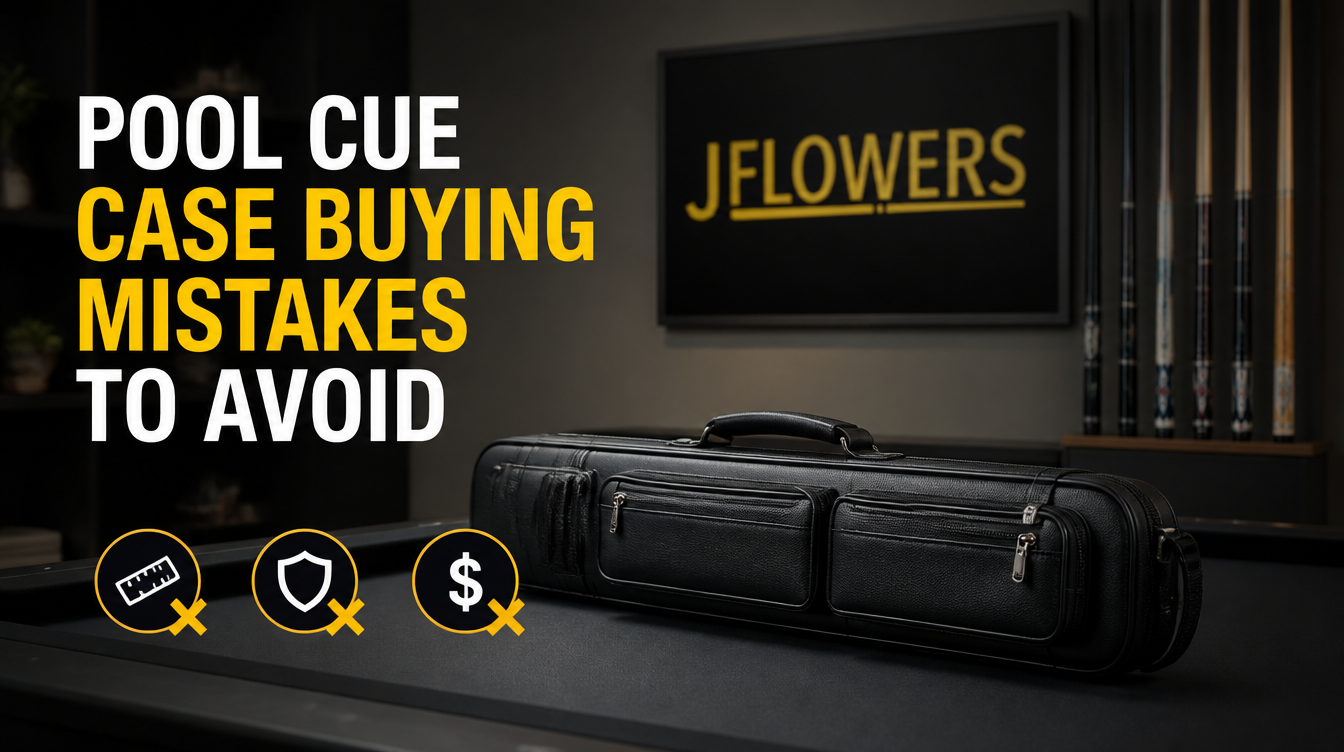
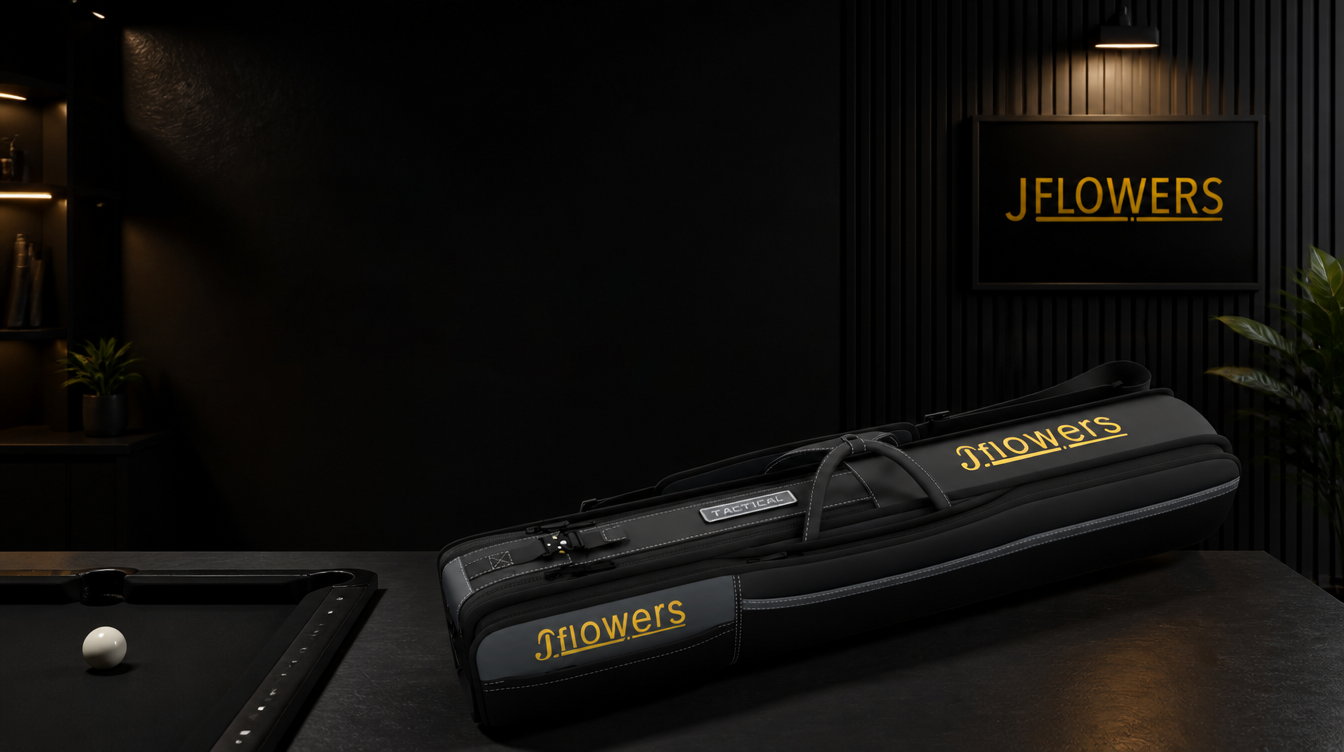
The cue case is the last equipment purchase most players think carefully about — and the one where they make the most mistakes. Players spend hours researching shaft technology and tip hardness and then grab the first case that looks decent at whatever price feels comfortable.
Listen to this article
The result: expensive cues in inadequate cases, cases too small for the playing setup, and protection gaps that cause real damage at the worst moments. This guide covers the most common cue case buying mistakes and how to avoid every one of them.
Mistake 1: Underbuying on Protection
This is the most costly mistake. A player invests $400-$600 in a quality playing setup and then protects it in a $25 vinyl tube bag or the cloth sleeve that came with the cue. The vinyl case is then tossed in a car trunk, set down hard at a tournament, or knocked off a table — and the shaft or butt suffers damage that costs more to repair than the case upgrade would have.
The rule is simple: your case investment should reflect your cue investment. A quality hard 2×4 case at $80-$150 is not optional for a $400+ cue setup. It’s part of the investment. For the full protection comparison, see Hard Cue Cases Explained.
Mistake 2: Buying the Wrong Size
Players frequently buy cases too small for the setup they’ll eventually carry. A player who owns a playing cue today will almost certainly add a break cue within a year or two of competing seriously. A 1×1 case bought today becomes inadequate the moment the break cue arrives.
Buy one size larger than you think you need right now. If you currently have one cue, buy a 2×2 or 2×4 to accommodate a break cue and backup shaft. The incremental cost difference is small; the future flexibility is significant. For the capacity decision framework, see How Many Butts and Shafts Do You Need?.
Mistake 3: Prioritizing Looks Over Protection
A beautiful leather case that provides soft-case-level protection is not the right choice if you travel with your cue in situations that demand hard-case protection. The case looks great at the pool hall while the cue inside is at risk every time it goes in a car trunk or airline hold.
Prioritize protection for your transport situation first. Then consider aesthetics within the protection requirement. A beautiful leather tube bag is fine for walking. It’s not fine for car trunk travel or flights.
Mistake 4: Ignoring Interior Construction
Players focus on the case’s exterior — the material, the brand, the appearance — and never look carefully at the interior. The interior is what actually protects the cue. Shaft tubes that allow lateral movement, thin padding that compresses to nothing, and missing tip-end protection are all interior construction failures that show up as cue damage.
Before buying: check that the shaft tubes fit your shaft diameter snugly. Check that there’s genuine soft padding at the tip end of each tube. Check that the cue doesn’t rattle when the case is gently shaken. Rattling inside a hard exterior is still impact transmission.
Mistake 5: Buying the Wrong Material for the Use Case
A soft nylon case for airline travel, a leather case for humid outdoor events without conditioning, a hard case for a daily commute by foot when a backpack case would be more convenient — case material and construction should match the specific use case.
Think through how the case will actually be used: where will it go, what environments will it encounter, will it be in your hands or leaving them? For the material comparison guide, see Leather vs Synthetic Cue Cases.
Mistake 6: Not Checking Zipper and Hardware Quality
Budget cases cut costs on zippers and hardware. A zipper that fails at the first competition — spilling chalk, tools, and accessories while you’re trying to get to the table — is a real problem. Check for YKK or equivalent quality zippers before buying. Check that latches close and stay closed under modest pressure. Hardware quality predicts the case’s reliability over years of use.
Mistake 7: No Accessory Organization
Players who carry chalk, tips, a tip shaper, joint protectors, Taom chalk, and spare components to sessions need pockets that organize and secure these items. A case with no external pockets means everything shares space with the cue inside, creating rattle and potential contact damage.
Check the accessory pocket configuration before buying. Does it have enough external pockets for your actual accessory load? Are the pockets secured by quality zippers or just open slits? This is about daily usability, not just protection.
Mistake 8: Treating the Case as an Afterthought in the Budget
Players allocate their full equipment budget to the cue and shaft and then try to spend as little as possible on the case. The case protects the cue and shaft investment — it’s not separate from that investment, it’s part of it. If your total equipment budget is $600, allocate $450-$500 for cue and shaft, and $100-$150 for a quality case. Don’t allocate $580 to the cue and $20 to the case.
Pros and Cons
Buying the right case from the start
Protects the cue investment against the damage scenarios that actually happen Right-size case accommodates future setup growth without replacement Quality zippers and hardware that work reliably for years Requires thinking through use cases and transport situations before purchasing Appropriate case costs more than the cheapest option
Expert Recommendation Before buying any cue case: decide on the protection level you need for your specific transport situations, the capacity you need now plus buffer for future growth, and the materials appropriate for your use case. Then buy the best case at those specifications you can afford. A quality hard 2×4 case for $80-$150 that meets these criteria beats a beautiful $300 leather case that doesn’t.
Conclusion
Cue case buying mistakes are easy to make because the case seems like the least exciting purchase in a pool equipment setup. But the case is what protects every other purchase you’ve made. Apply the same thought to case selection that you’d apply to shaft selection — understand your requirements, buy to those requirements, and don’t treat protection as an afterthought
Frequently Asked Questions
Q: What is the most common cue case buying mistake? Underbuying on protection — purchasing a soft case for situations that require hard-case protection. Q: How do I choose the right size cue case? Choose one size larger than your current setup to accommodate future growth. Most competitive players need at minimum a 2×4 configuration. Q: Should I prioritize cue case looks or protection? Protection first, then aesthetics within the protection requirement. A beautiful case that doesn’t protect in your actual transport situations is the wrong choice. Q: What interior features should a cue case have? Snug-fitting shaft tubes with no lateral play, soft tip-end padding, and quality lining that won’t abrade the shaft surface. Q: How much should I spend on a cue case? Allocate enough of your equipment budget to match the protection requirement. For a $400-$600 cue setup, a $100-$200 quality hard case is appropriate.
After comparing JFlowers to Predator, Mezz, McDermott, Meucci, Jacoby, Pechauer, and a dozen more brands across every price point and construction philosophy — the question that started all of it deserves a direct answer: which pool cue brand actually offers the best value for serious competitive players in
2026?
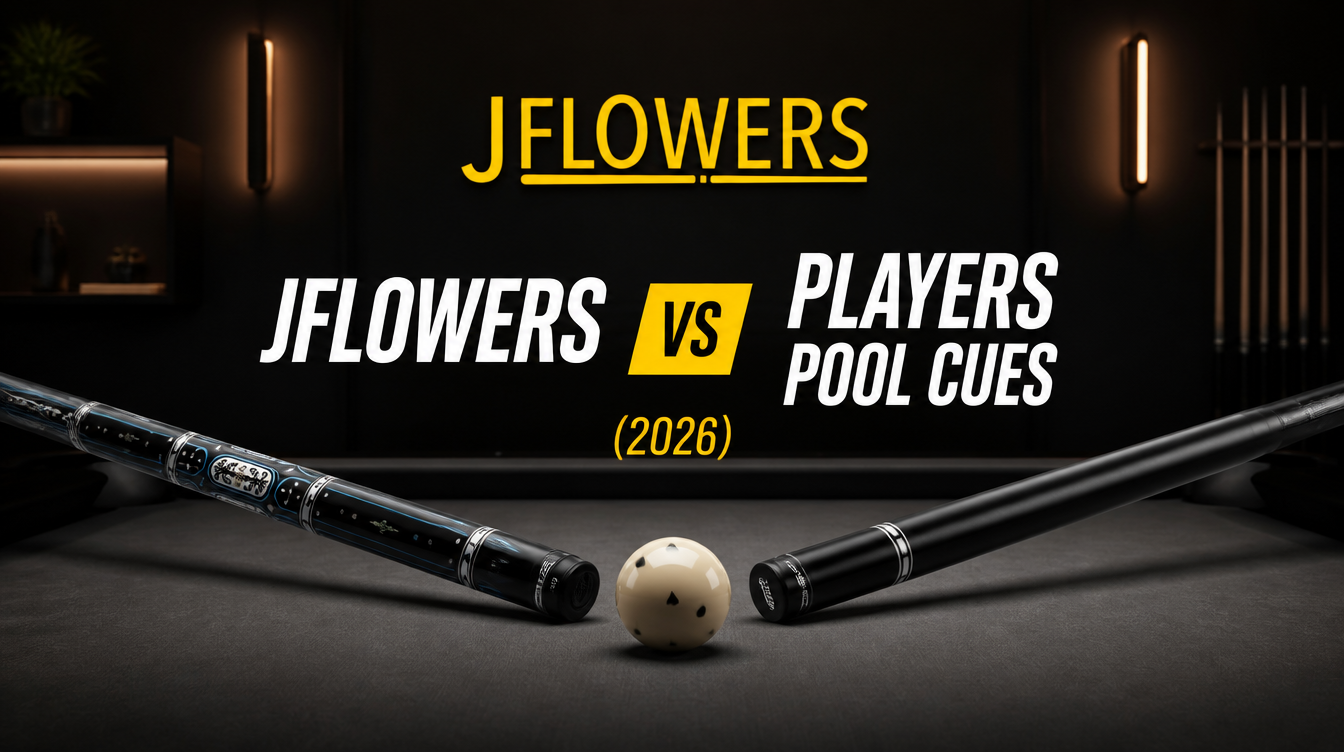
Players Technology is one of the most widely used cue brands in American pool halls. Their two-piece cues at $40-$150 have introduced millions of American players to personal cue ownership. Nearly every serious pool player in America either started on a Players cue or played against someone who did. Comparing Players to JFlowers isn’t really a direct competition — it’s a marker on the journey from beginner to serious competitor.