A freshly installed tip doesn’t perform at its best immediately. The leather needs to compress slightly and conform to the curvature of the shaft. The surface needs to be properly shaped, scuffed, and conditioned. The tip needs to develop a chalk-holding texture through initial play.
Category Archives: Pool Cue Tips & Chalk
Ask most players how often they shape their tip and you’ll get one of three answers: ‘every session,’ ‘when I remember,’ or a blank look. The blank look is the most honest — most players have no deliberate tip shaping schedule, which means they play with a flatter-than-optimal tip more often than they realize.
If you’ve heard the advice ‘keep your tip shaped to a nickel radius’ and wondered exactly why — or if you’ve noticed your tip going flat and wondered how much it actually matters — this guide has the specific answers.
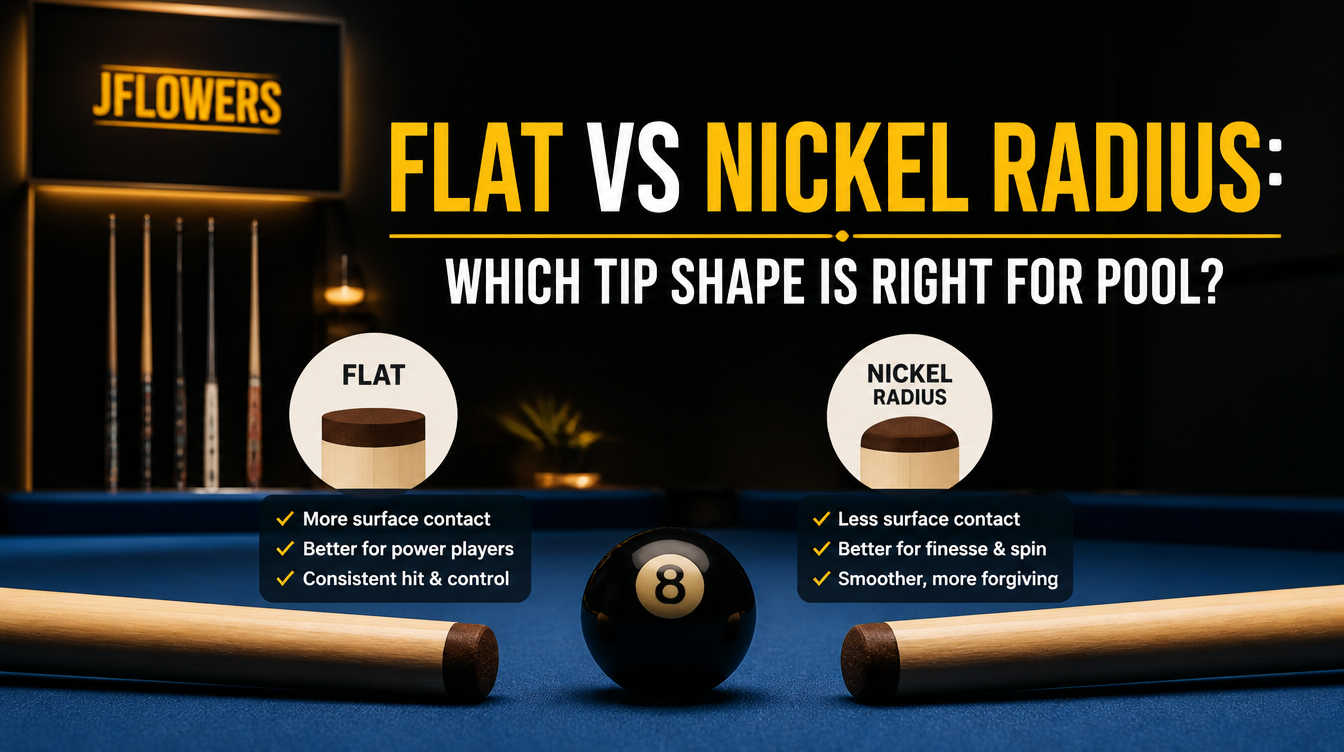
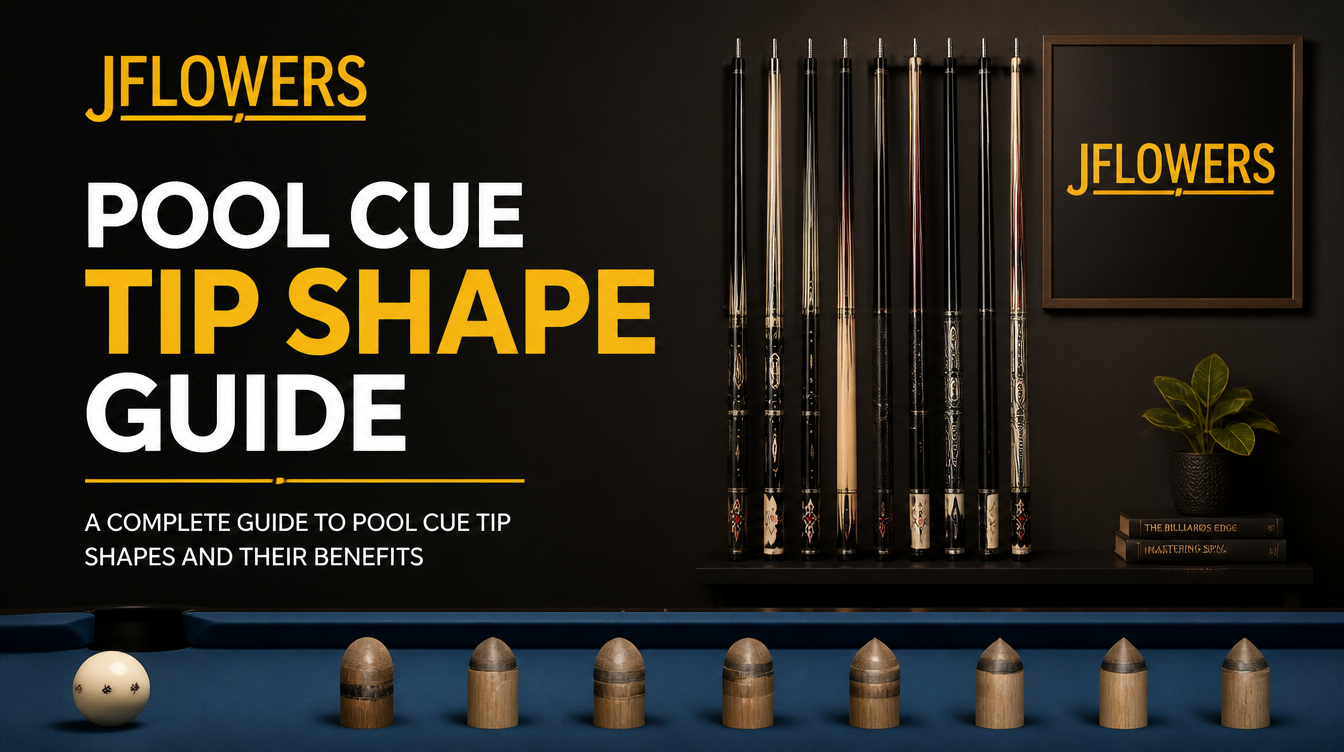
Most players think about tip hardness and brand but give almost no thought to tip shape — the curvature of the tip’s contact face. That’s a mistake, because tip shape directly affects your english performance, your miscue risk, and the consistency of your center-ball contact.
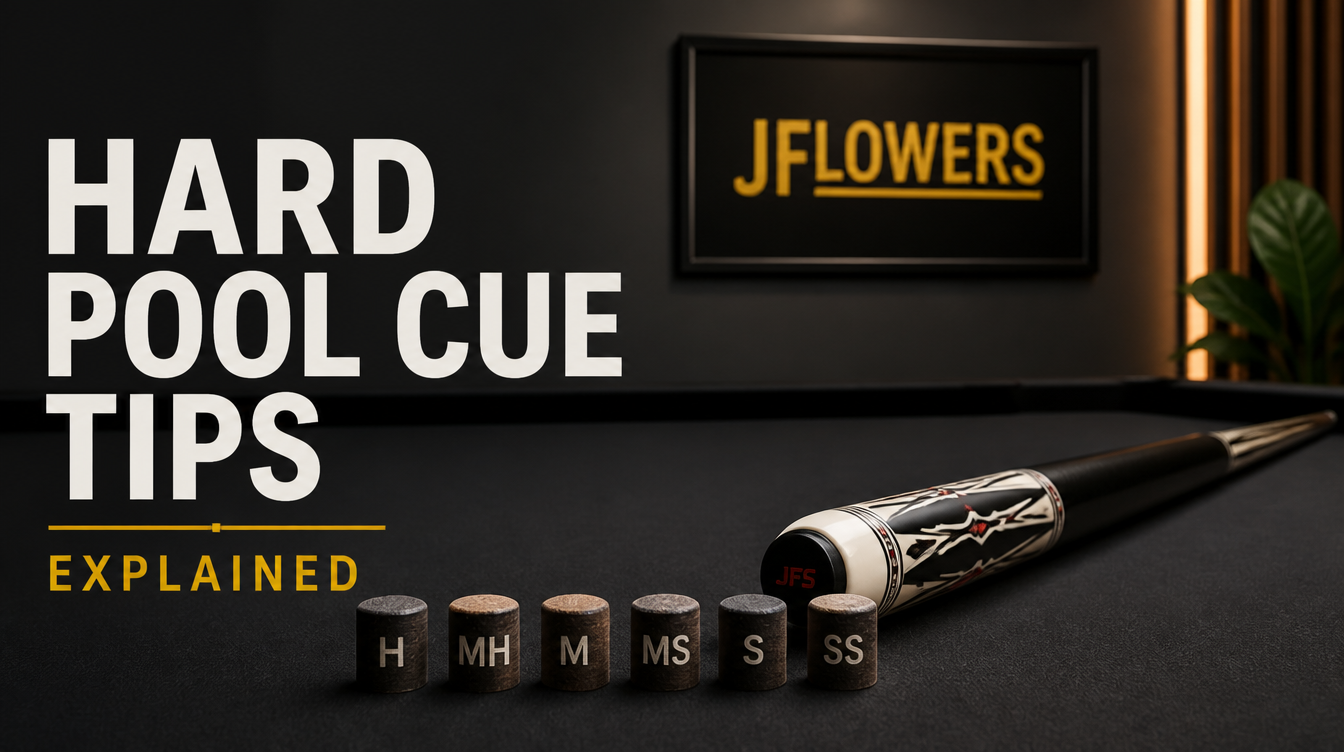
Hard tips are the least understood and most underused option in the pool cue tip market. The conventional wisdom says: soft tips for more english, medium tips for everything else, hard tips for breaks. That’s partially right — but it misses the genuine case for hard tips in playing contexts, and it understates why hard tips dominate in certain formats and at certain levels of play.
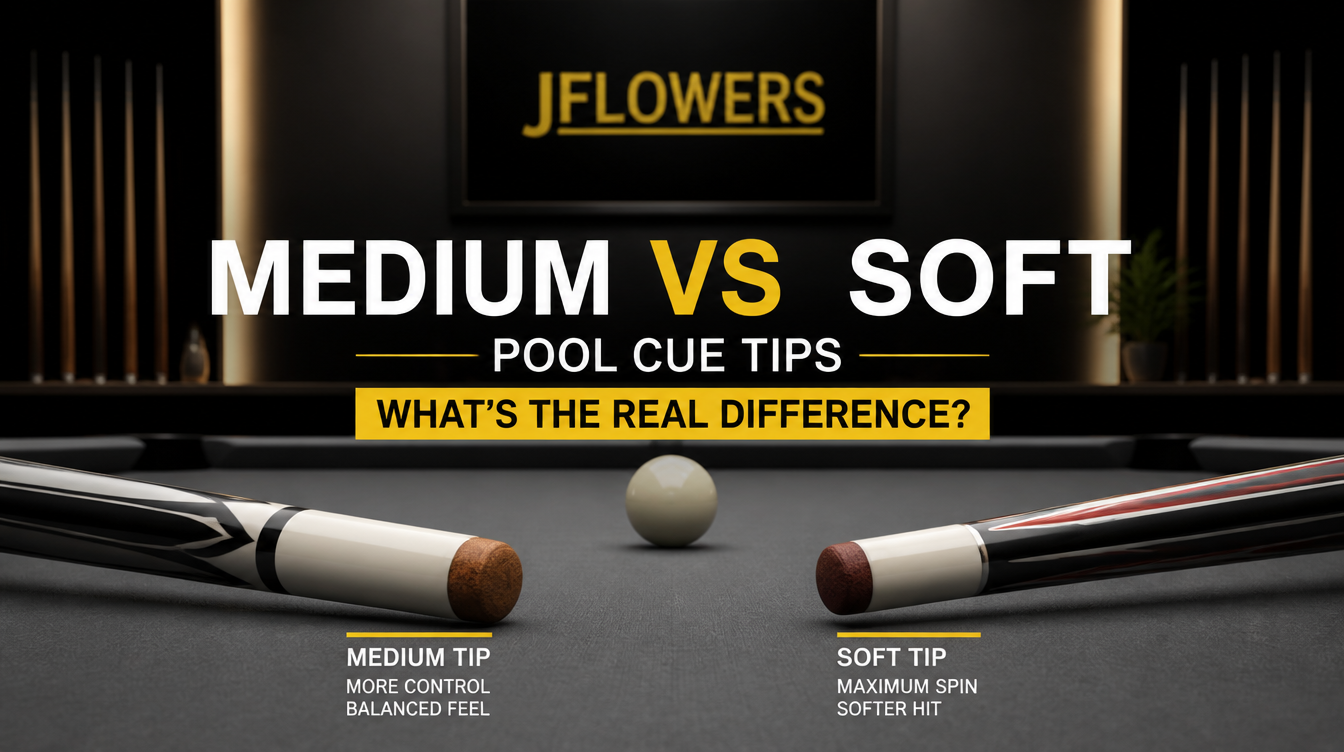
The choice between medium and soft tips is one of the most common tip selection decisions players face — and the most commonly misunderstood. The marketing language around soft tips (‘more english!’ ‘more spin control!’) is partly true and partly overstated. The same goes for medium tip claims of ‘consistency’ and ‘shape retention.’
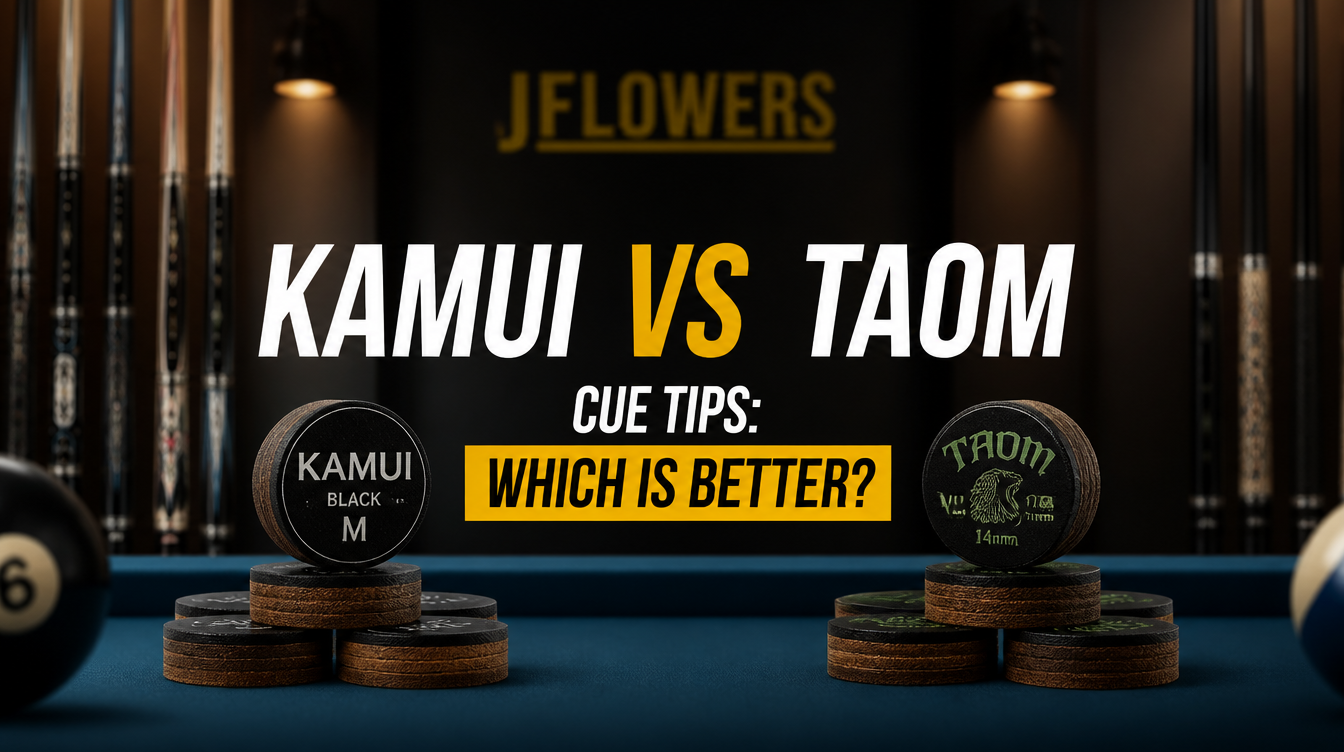
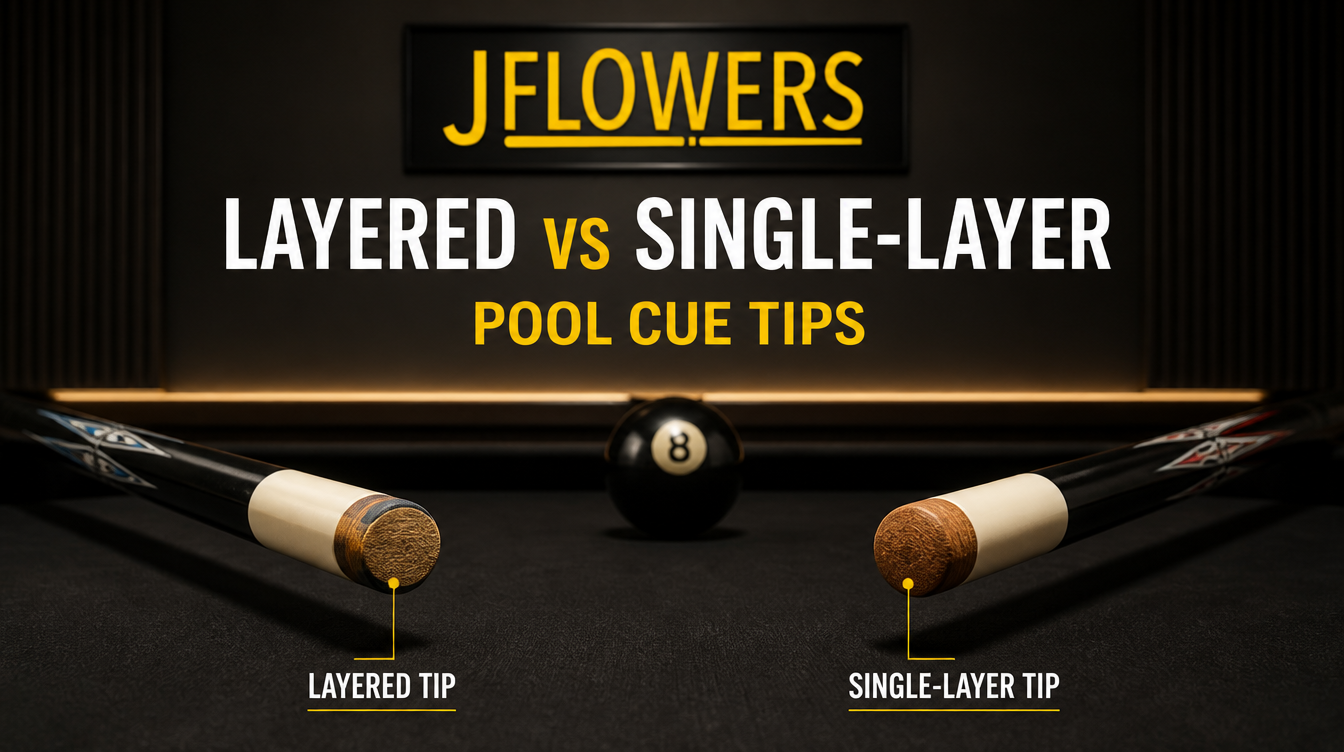
If you’re serious about your tip selection, this is the debate you’ll eventually hit: Kamui or Taom. Both are premium layered tip brands with strong followings at the competitive level. Both are used by professional players. Both cost more than the competition. And both are genuinely excellent.
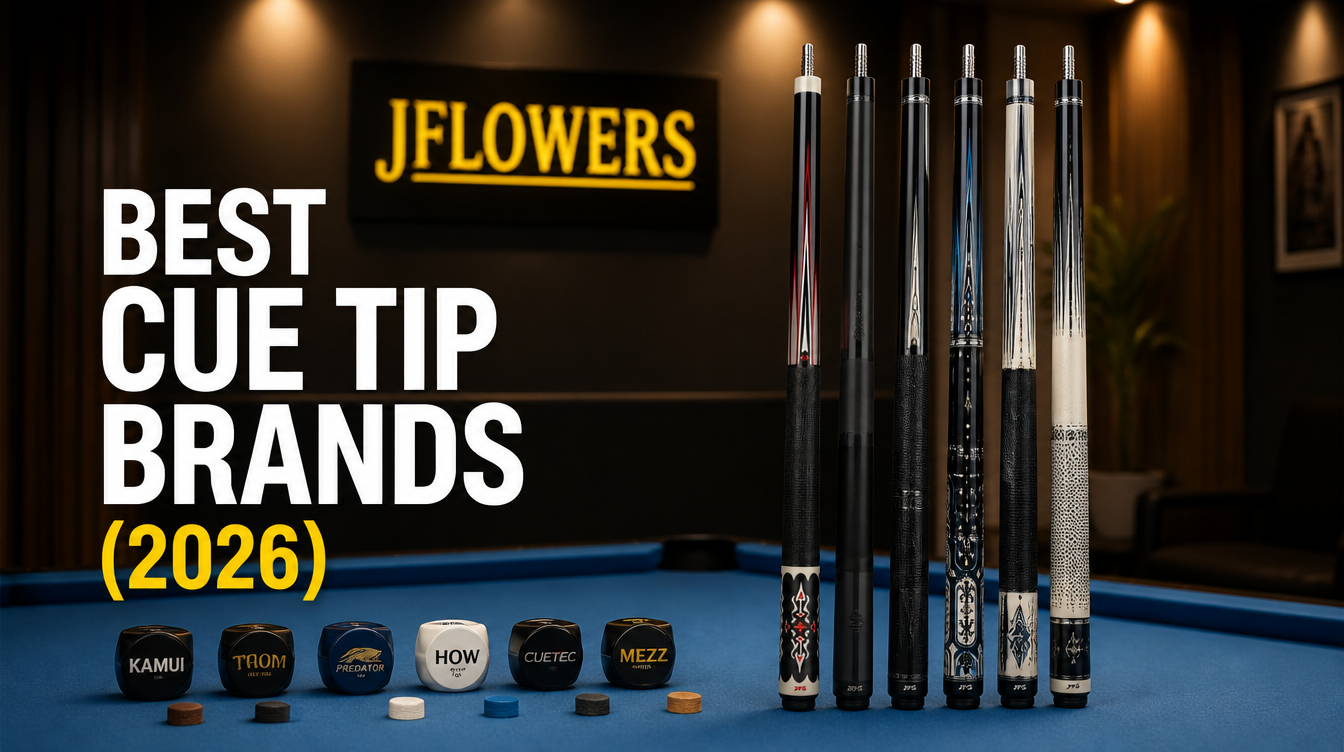
The tip is the only part of your cue that touches the cue ball. Everything else — the shaft, the joint, the wrap — affects how you deliver the stroke. The tip determines what actually happens at contact. It affects
your ability to apply spin, control speed, and execute precise position. It’s a $15-$30 purchase that has more impact on your game than a $200 shaft upgrade if your current tip is worn out or poorly matched to your style.
The real answer — based on how you play, what tip you use, and what the signs say.
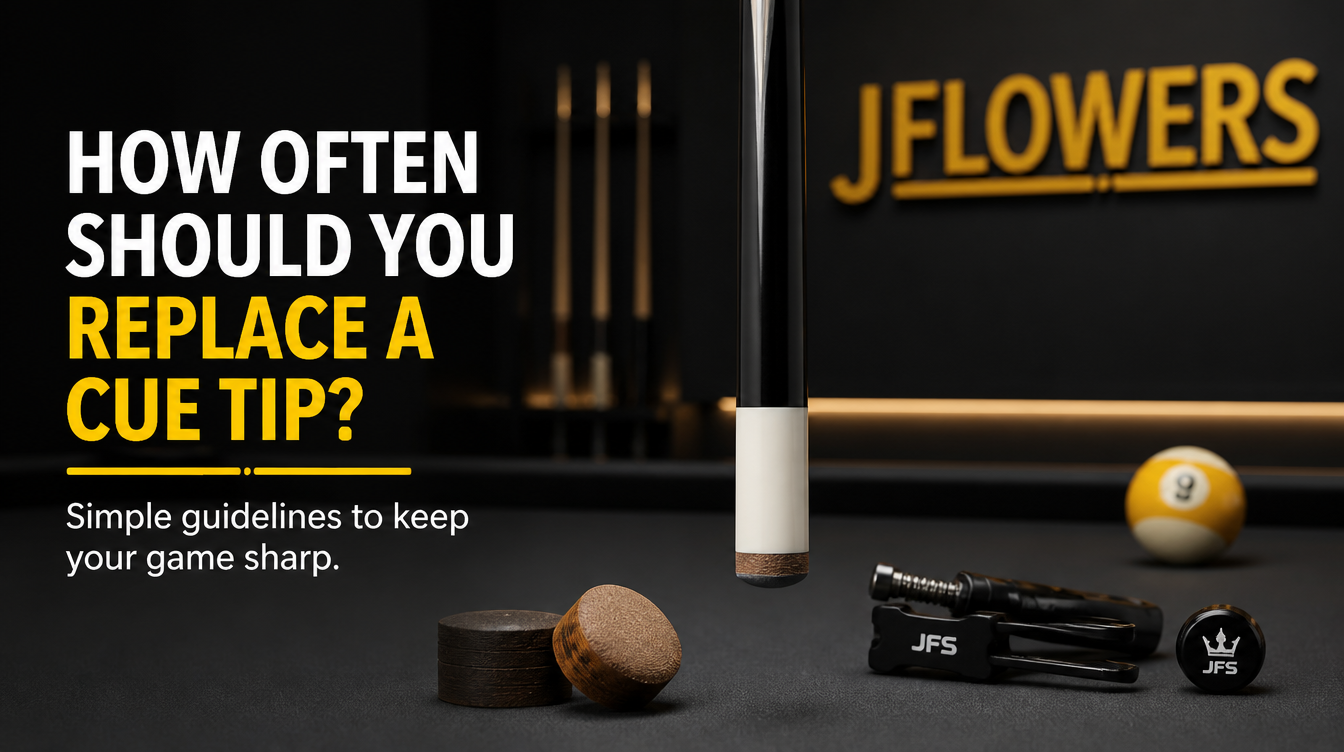
There’s no single right answer to how often a pool cue tip needs replacing. The real answer depends on three things: how hard the tip is, how often you play, and what the tip is telling you. This guide gives you the practical framework to figure out the right replacement schedule for your specific situation.
Most pool players replace their cue tip too late. The tip has been quietly degrading for weeks, introducing inconsistencies into their game that they’ve been blaming on their stroke, the table, the cloth, or their concentration. Then they finally replace the tip and wonder why they didn’t do it sooner.