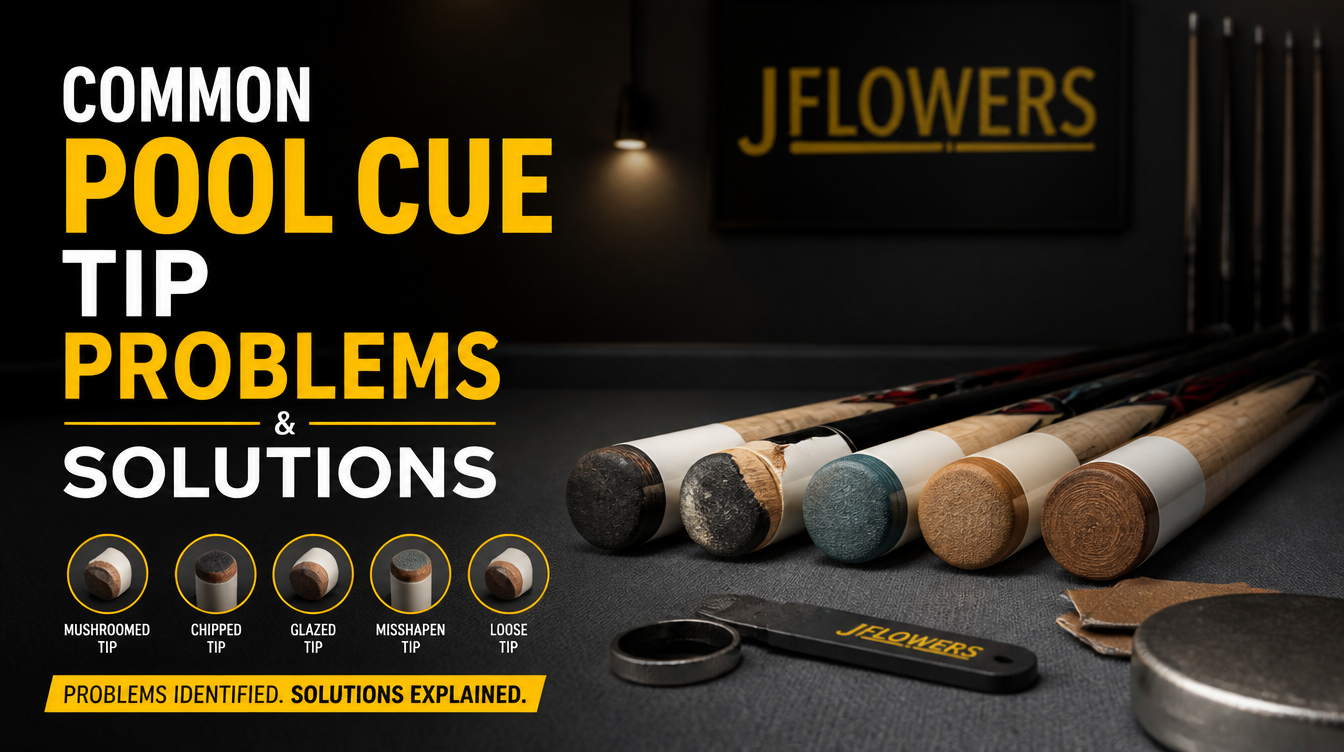
Most pool tip problems have straightforward causes and straightforward fixes. The frustrating part is that players often blame their mechanics or their aim when the actual problem is 30 seconds of tip maintenance away from being solved.
Category Archives: Pool Cue Tips & Chalk
Professional pool players think about tips differently from recreational players. Where a club player might replace a tip when it looks bad enough, a professional has a specific tip and chalk system that forms part of their overall equipment setup — evaluated, adjusted, and maintained with precision.
Beginners have a specific set of equipment needs that are different from competitive players. You’re still developing stroke mechanics. You’re learning to aim, to control the cue ball, to apply english for the first time. The equipment that helps you learn fastest is equipment that’s forgiving, consistent, and doesn’t fight you.
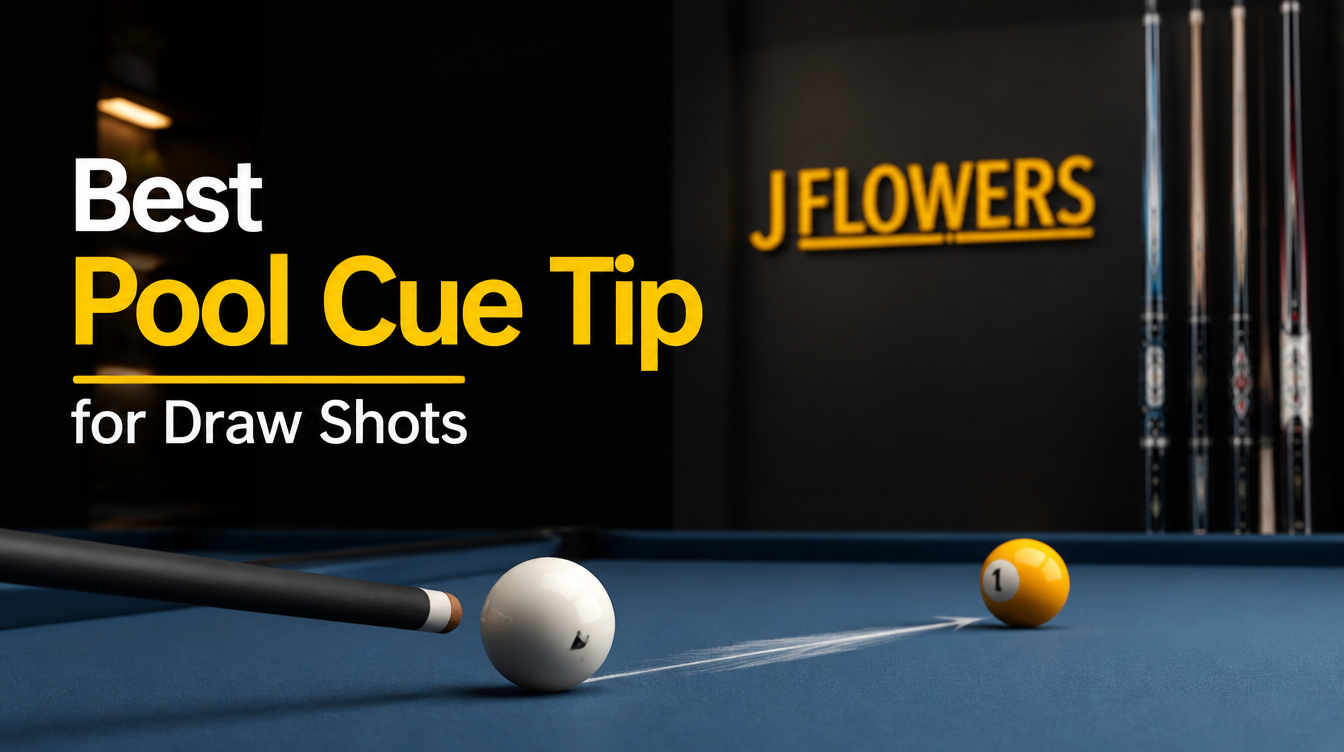
Draw shots — hitting below center on the cue ball to create backspin — are one of the most satisfying shots in pool when they work, and one of the most frustrating when they don’t. The cue ball rolls back toward you, position opens up, and the rack unfolds. Get the draw wrong and you’re hooked or out of position.
The break shot is the most violent thing you do to a pool cue tip. A full-speed break puts more impact force through the tip than any other shot in the game — repeatedly. The tip that serves you perfectly for delicate position play is not necessarily the right tip for your break cue.
English is where your tip selection matters most. Every shot element — the shaft’s deflection profile, your aim compensation, the chalk application — works together to deliver spin to the cue ball. But at the
moment of contact, the tip is the instrument that either grips the cue ball and transfers the spin you intended, or slips and miscues.
Burnishing is the most misunderstood part of cue tip maintenance. Most players know they should shape and scuff their tips. Fewer know what burnishing is, what it does, or why it matters. And the players who skip burnishing pay for it in accelerated mushrooming and shorter tip life.
The tip is the contact point between your cue and the cue ball — everything else in your game flows from how well that contact happens. A properly maintained tip delivers consistent chalk retention, accurate english, and predictable feedback. A neglected tip fights you on every shot.
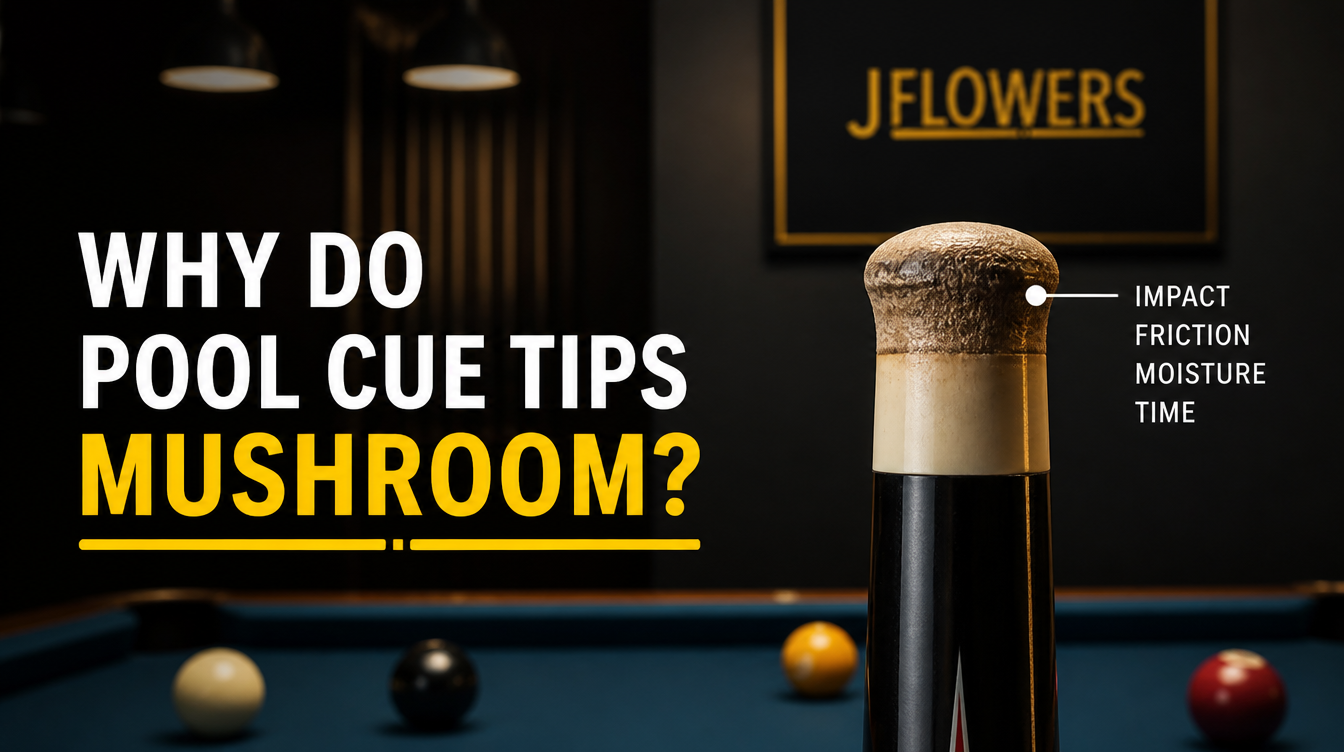
Mushrooming is one of the most common tip problems every pool player eventually deals with. You look down at your tip and instead of a clean dome, you see the leather spreading out beyond the shaft
diameter like a little shelf — the tip has mushroomed. It looks wrong and it plays worse.
The pool cue tip market divides into two fundamental construction types: layered tips and single-layer tips. Walk into any billiards shop and you’ll see both — cheap leather tips for $2-$5, and premium layered options from Taom, Kamui, and Tiger for $15-$35. The price difference is real and reflects genuine differences in construction and performance.