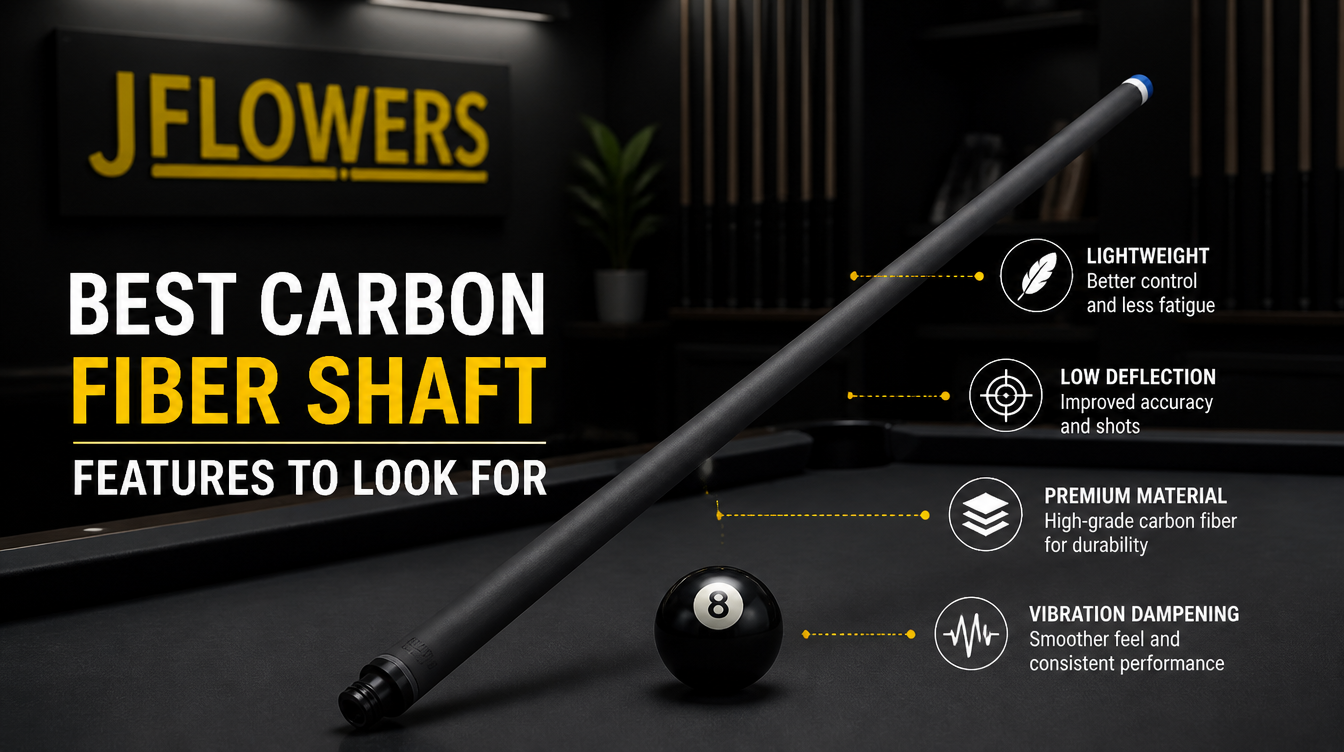
One of the most common questions players have before buying a carbon fiber shaft is how long it will actually last. It’s not a small purchase — quality options start around $250 and run to $600 or more. You want to know what you’re getting for that investment in terms of years of reliable use.
Author Archives: JFlowers Cues
Every technology that disrupts an established industry gets surrounded by myths. Carbon fiber pool cue shafts are no exception. In pool halls, online forums, and YouTube comments, you’ll find a reliable mix of genuine information and confident misinformation about what carbon fiber is, what it does, and whether it’s worth considering.
Not all carbon fiber shafts are equal. The material is the same at a basic level — carbon fiber composite around a core — but what a manufacturer does with that material varies enormously. The result is a market where two carbon fiber shafts at similar price points can play completely differently.
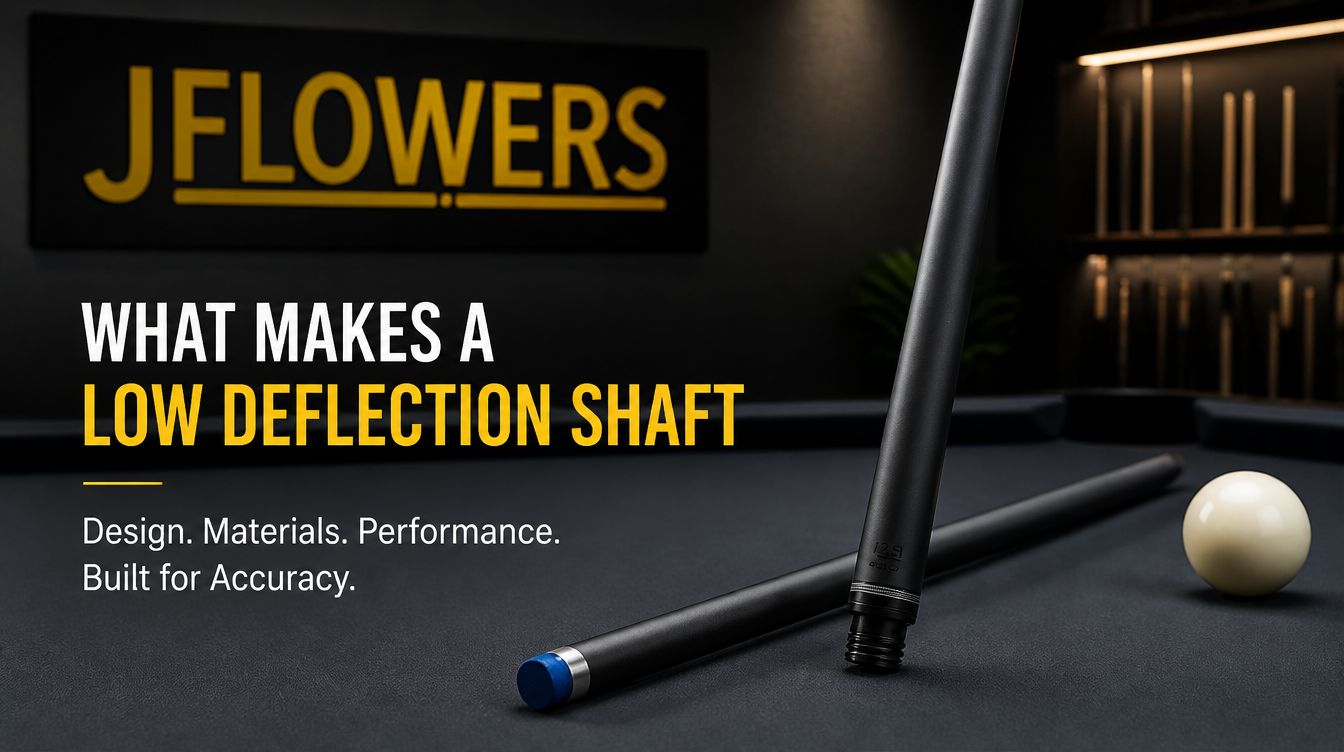
Low deflection is on the spec sheet of almost every serious pool cue shaft being sold today. But what does it actually mean? What causes deflection in the first place? And what specifically makes one shaft lower deflection than another?
Pool is a game built on tradition. The same basic equipment — a tapered wooden stick, a leather tip, a felt table — has been used for centuries. Change comes slowly to cue sports.
Which is why the rise of carbon fiber shafts over the last decade is worth paying attention to. When a technology gets adopted at the highest competitive level, in a game this conservative, it’s because the advantages are real.
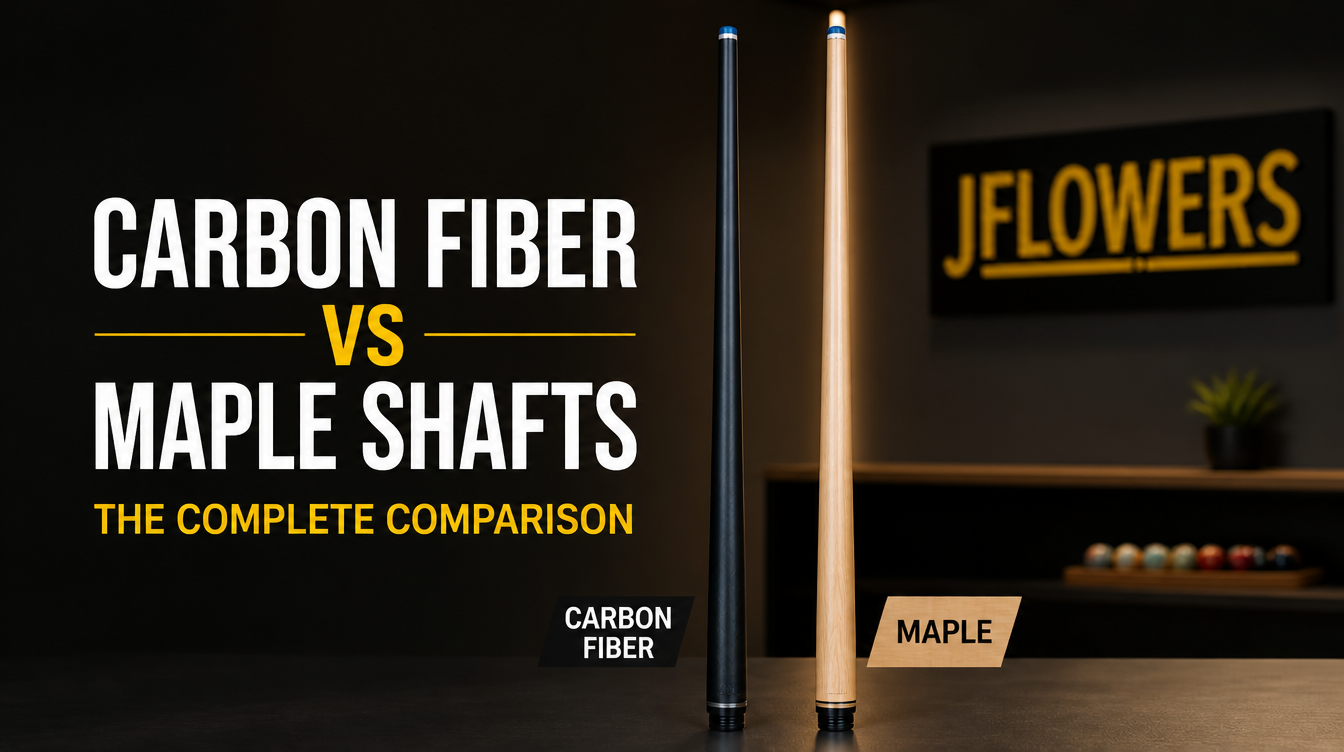
If you’ve been shopping for a new shaft, you’ve hit this choice: carbon fiber or maple? Both have passionate advocates. Both produce players who win at the highest levels. And both camps will give you a dozen reasons why theirs is the obvious choice.
This is probably the most asked question in pool equipment right now. Carbon fiber shafts are everywhere — in the pro game, in the pool halls, in every online forum where players talk gear. And they’re not cheap. A quality option runs $250–$600 or more. So before you spend that kind of money, you deserve an honest answer: are they actually worth it?
Walk into any serious pool room today and you’re going to see carbon fiber. On the practice tables, in the cases sitting on the rail, in the hands of players running racks. It’s everywhere — and if you’ve been playing for more than a minute, someone’s probably already told you to consider one.
Whether you’re buying your first pool cue or upgrading from your current setup, choosing the right cue can dramatically impact your performance, consistency, and enjoyment of the game.
With hundreds of cues available in different materials, weights, shaft technologies, and price ranges, it’s easy to become overwhelmed.
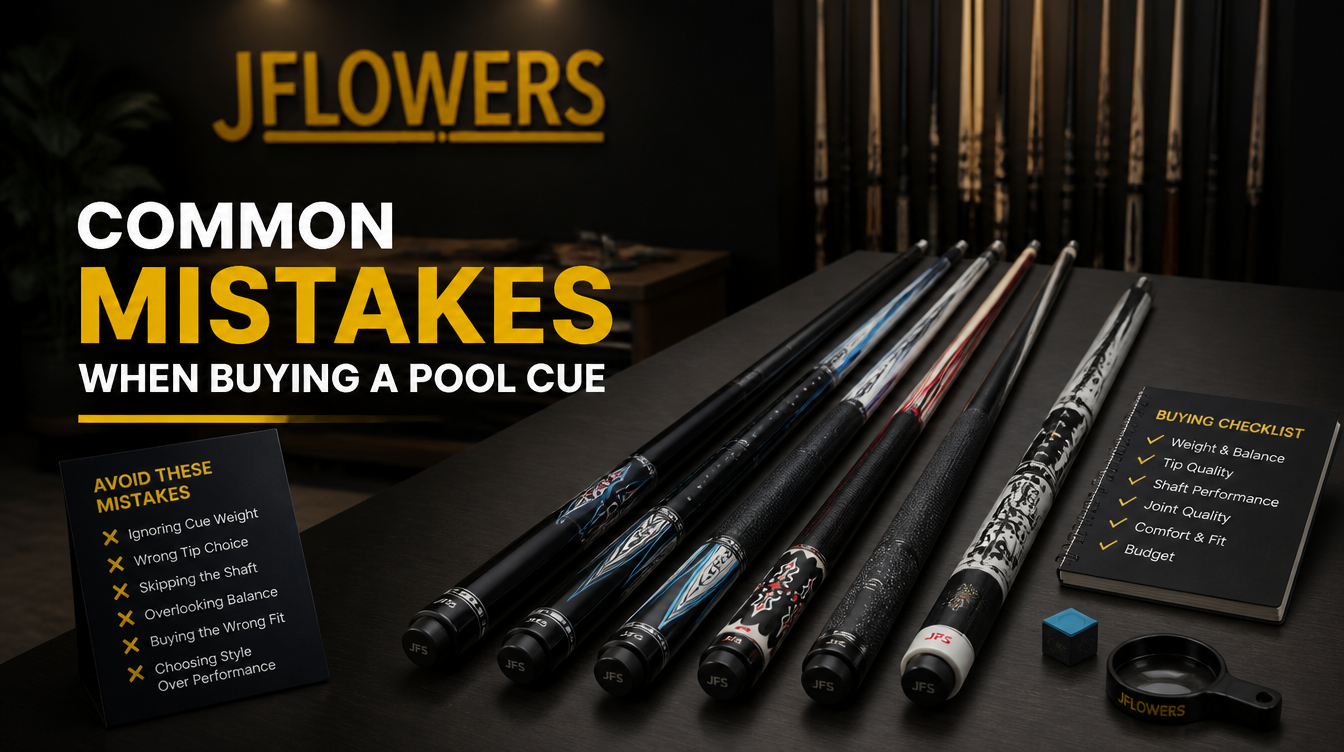
Pool cue shopping has a lot of traps. Marketing language, flashy aesthetics, bad advice from well-meaning people at the pool hall — these things combine to send a lot of buyers in the wrong direction. Here’s a detailed breakdown of the most common mistakes, why they happen, and what to do instead.