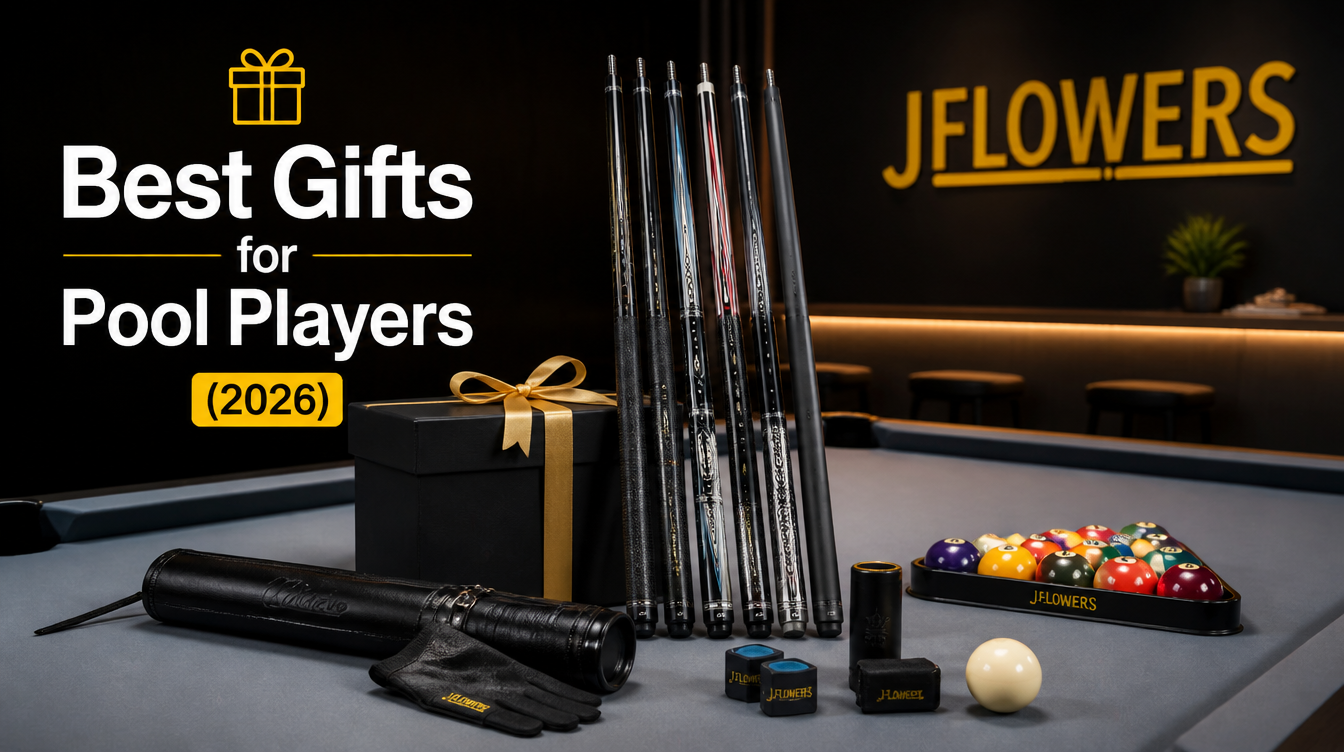
Buying a gift for a pool player who takes the game seriously is both easier and harder than it looks. Easier because there’s a clear category of things they actually use and care about. Harder because the wrong pool gift — a novelty item, a cheap cue accessory bundle, something decorative that doesn’t get used — ends up forgotten quickly.
Author Archives: JFlowers Cues
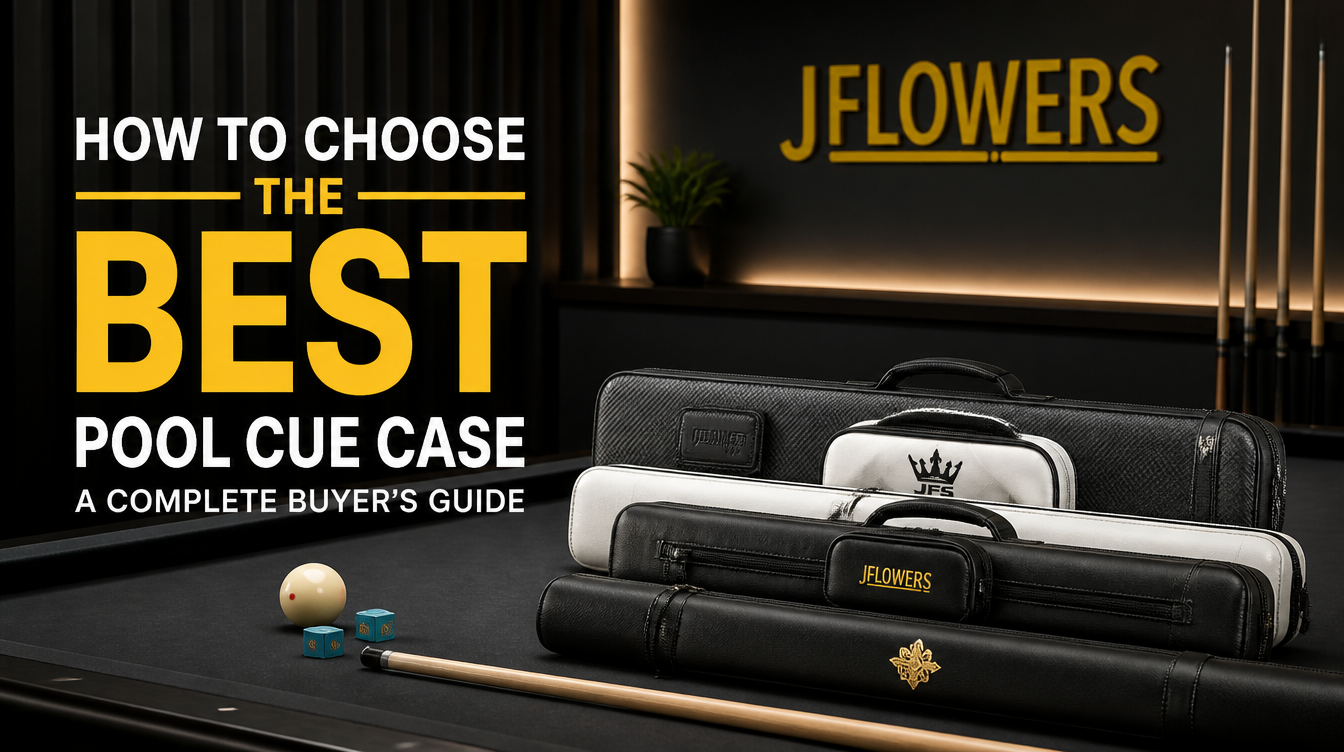
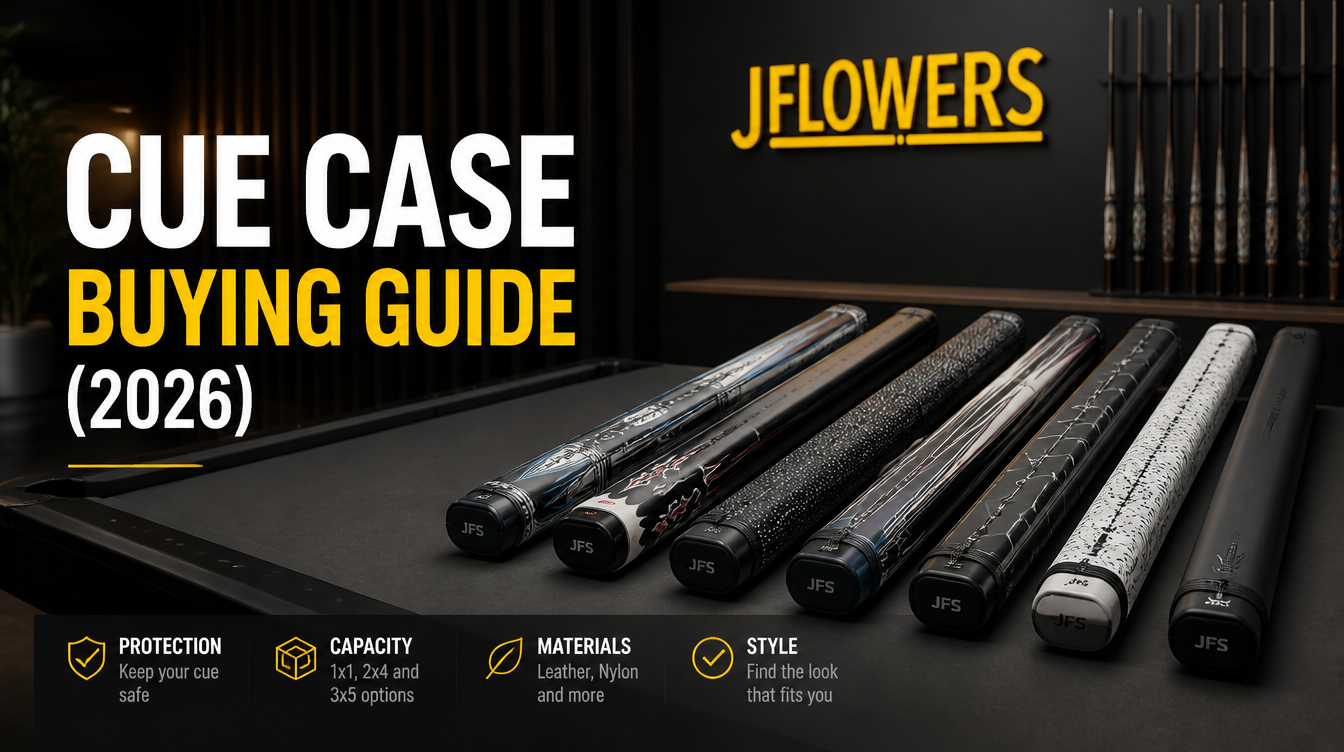
Buying a pool cue case should be simple — but the market is full of options at wildly different price points and quality levels, with spec language that doesn’t always tell you what you actually need to know. This guide cuts through it. By the end you’ll know exactly what to look for, what price range serves your situation, and what to avoid.
A quality pool cue is a real investment. Whether you spent $200 or $800, that cue represents deliberate money spent on something that directly affects how you play. Protecting that investment isn’t complicated, but it requires thinking about a few things systematically — from the case you buy to the habits you build to the accessories you use.
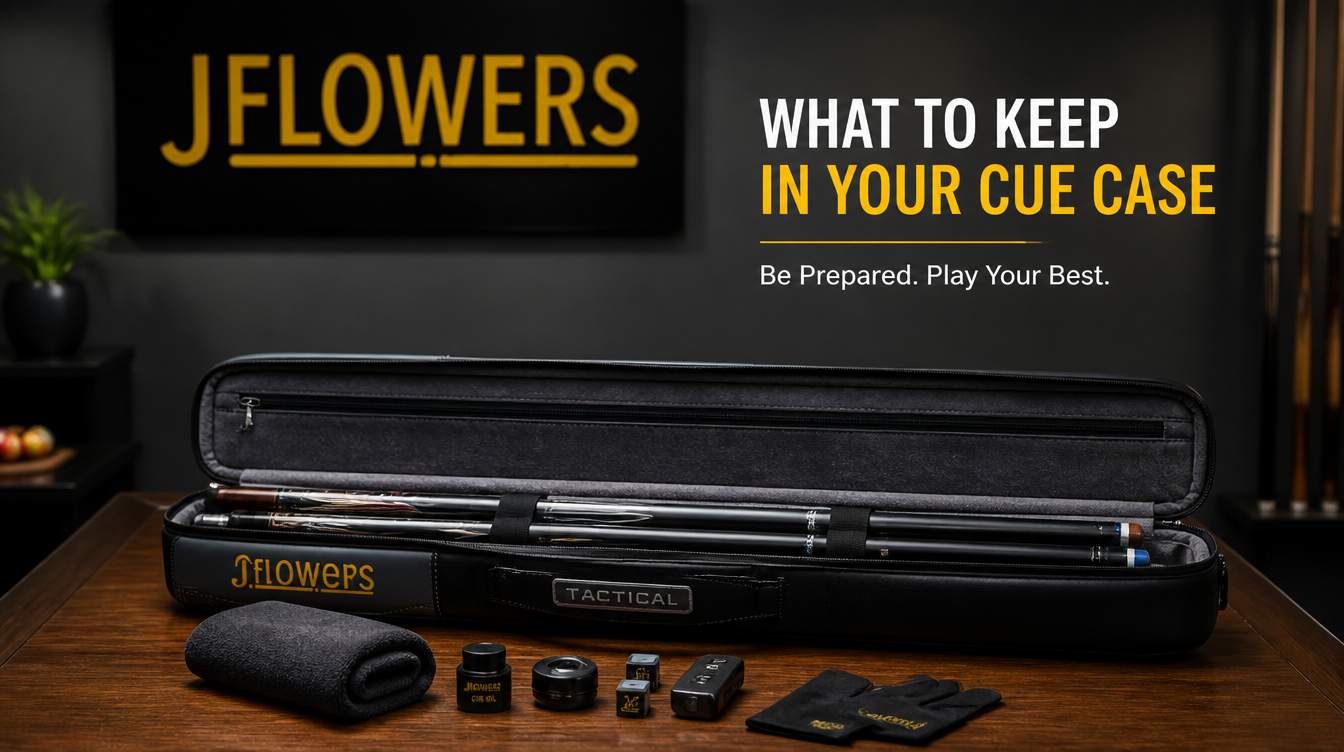
What’s in your cue case says a lot about how seriously you take your game. Not because having the right stuff makes you a better player — it doesn’t. But because having what you actually need, when you need it, removes the small disruptions and emergencies that affect your focus and your performance.
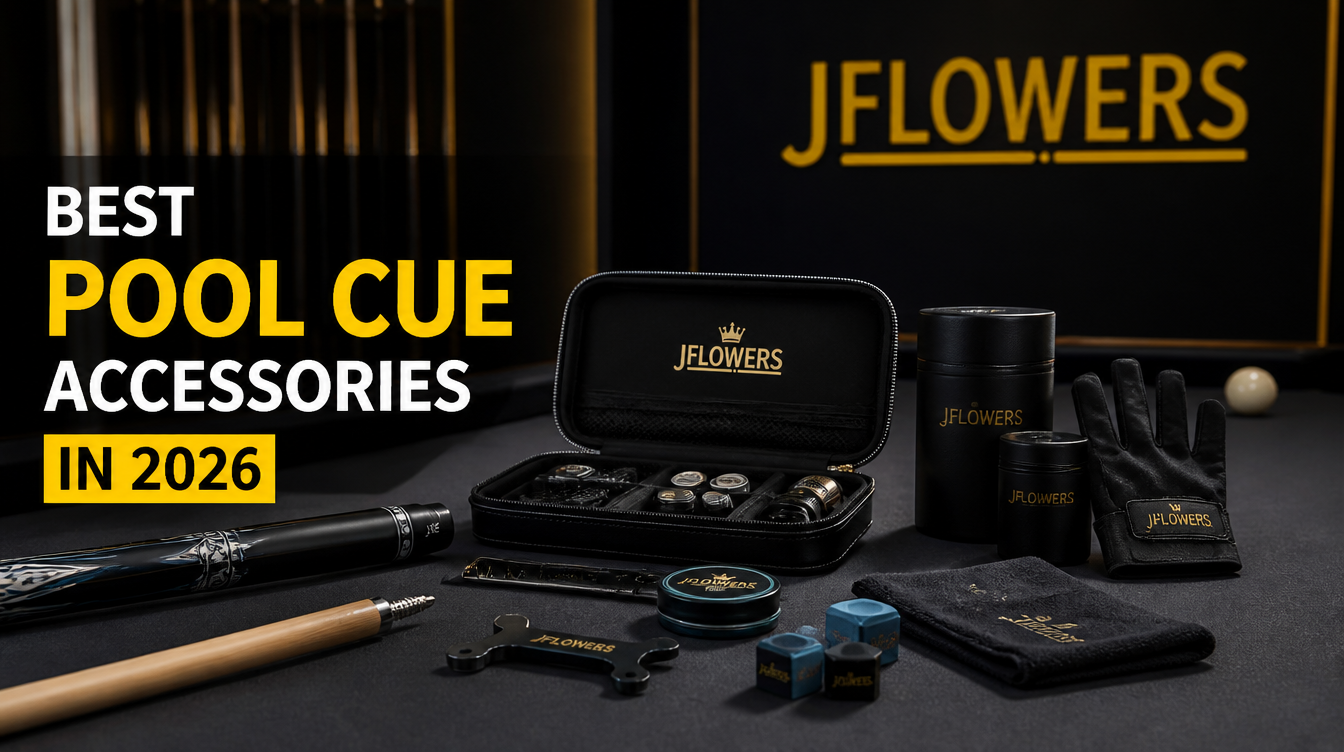
Beyond the cue itself, the accessories you carry and use have a real effect on how consistently you play and how well your equipment performs. Some accessories are genuinely essential — you’ll use them every session without thinking about it. Others are useful for specific situations. And some are nice ideas that don’t end up getting used much.
A lot of pool players think of a cue case as a nice-to-have — a convenience item that makes carrying the cue easier. In reality, a quality cue case is the single most important protective decision you make for your equipment. The cue you spent hundreds of dollars researching and selecting is only as well-protected as the case it lives in.
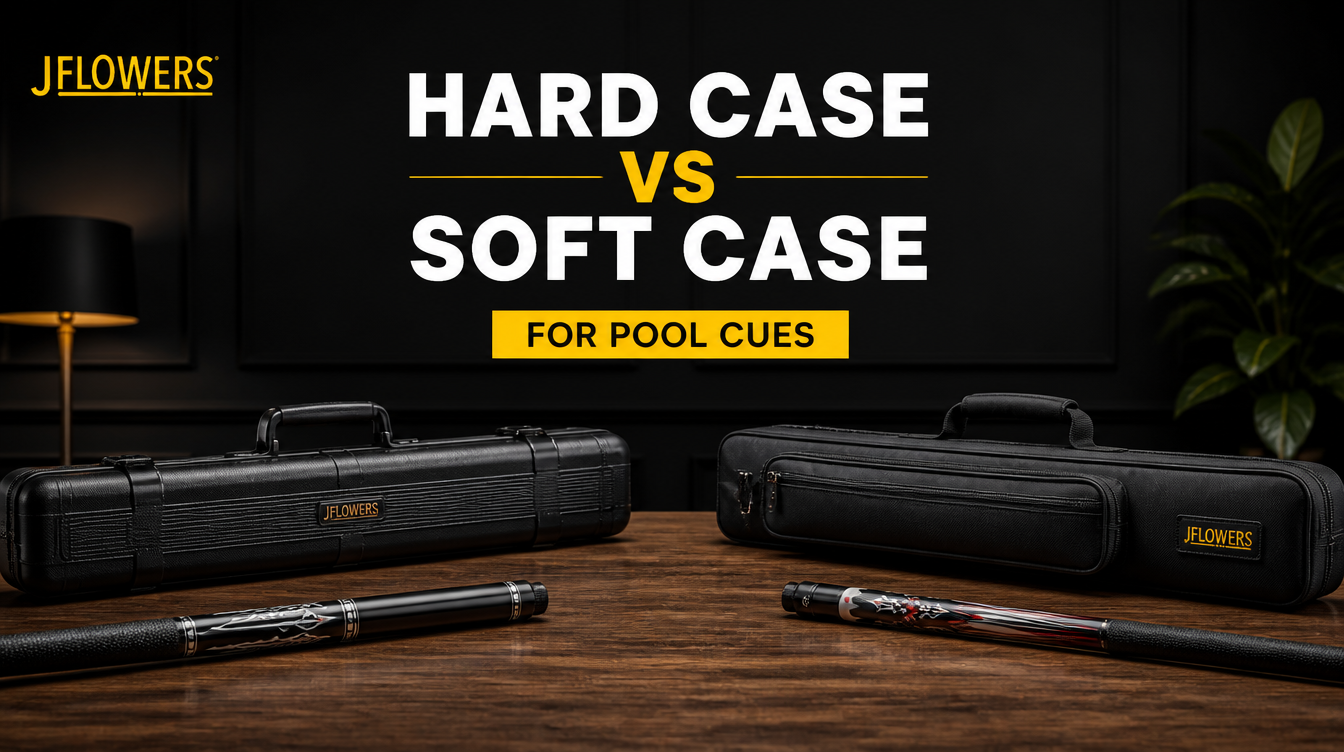
Walk into any pool hall and you’ll see both. Hard cases sitting on the rail, soft tubes leaned against the wall. Both carry pool cues. Both get used by serious players. But they are not equivalent forms of protection, and choosing the wrong one for your situation can result in damage to a cue you paid good money for.
A pool cue case is one of those purchases that most players don’t think nearly hard enough about. The cue gets all the attention — hours of research, careful comparison, deliberate testing. The case gets grabbed from the shelf next to the register or thrown in with a bundle deal. And then the cue ends up in a case that doesn’t protect it properly, doesn’t hold the right number of shafts, and falls apart in six months.
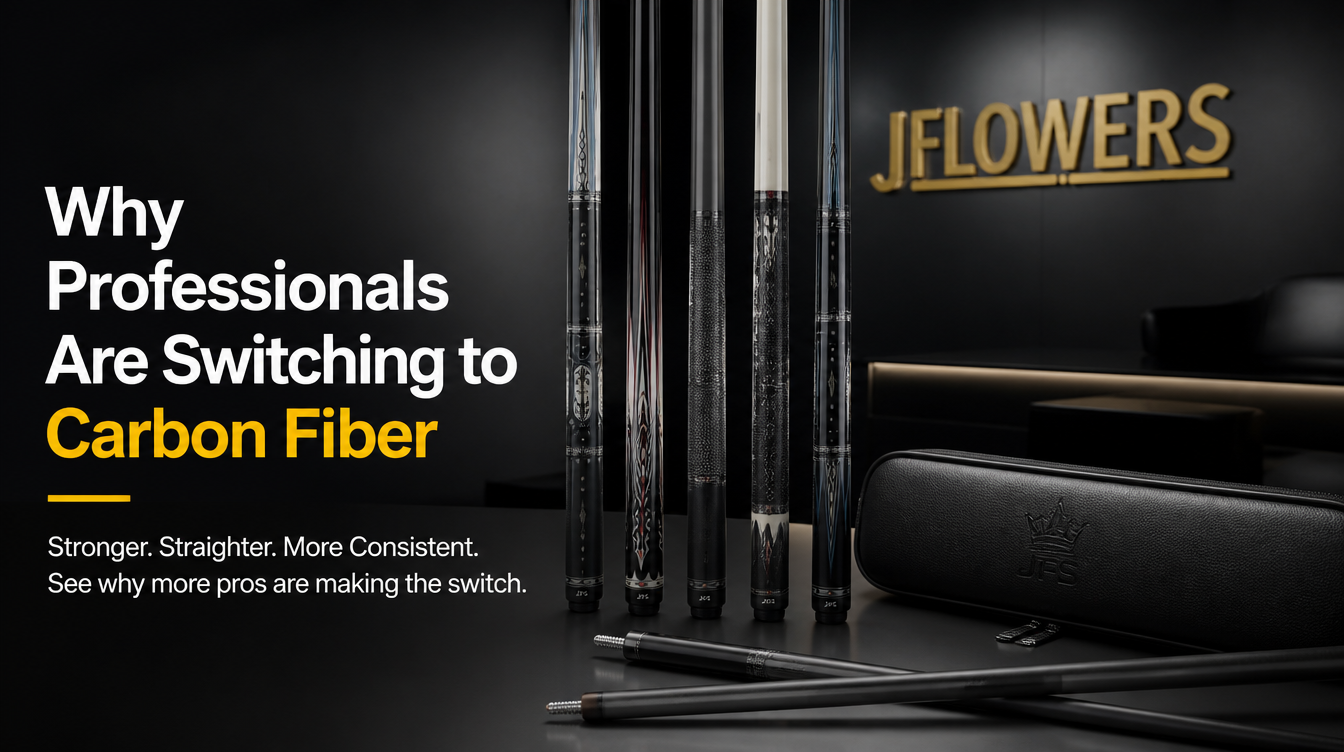
The pool community pays close attention to what serious players use. When the guy running out rack after rack at your local pool hall switches shafts, people notice. When a player you’ve watched compete at the national level makes a change, people ask why.
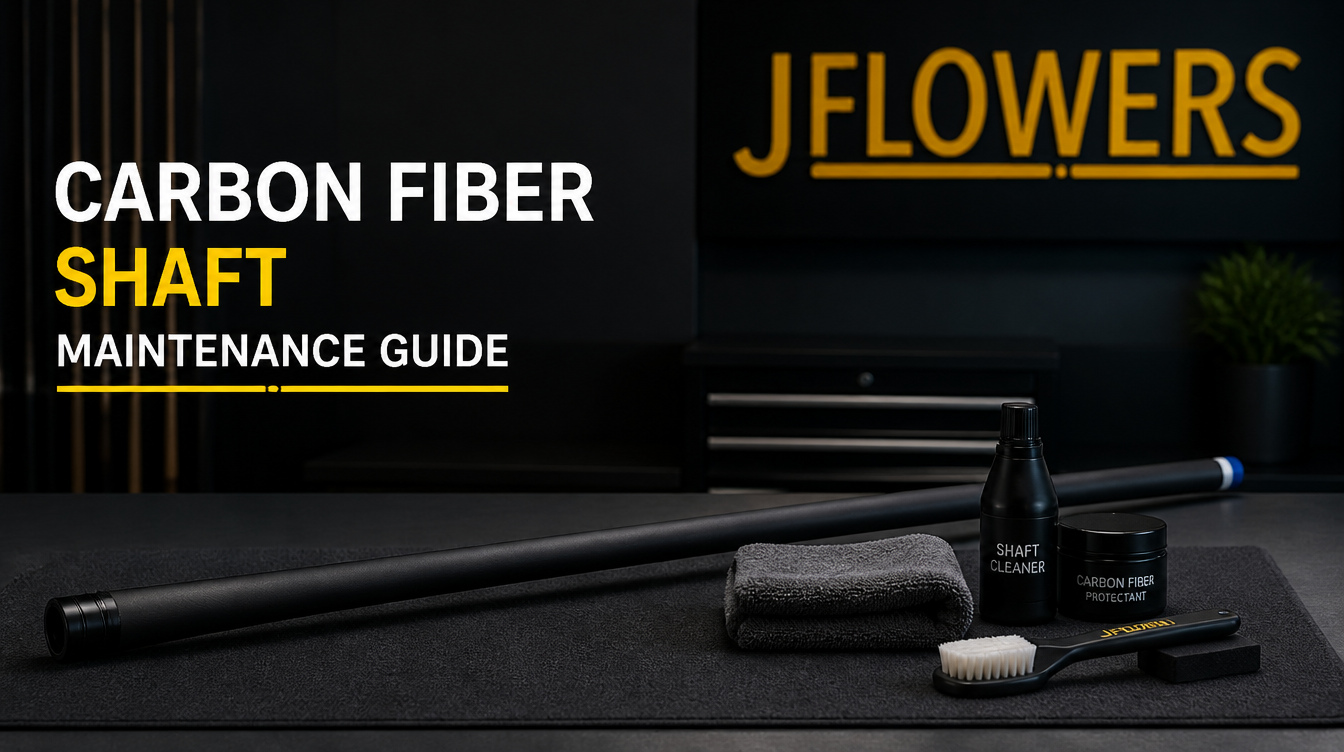
One of the best things about a carbon fiber shaft is how little maintenance it needs. No burnishing, no sanding, no humidity anxiety, no break-in rituals. But “low maintenance” doesn’t mean “no maintenance.” There are specific things you should be doing — and specific things you should absolutely avoid — to keep your carbon fiber shaft performing at its best for as long as possible.