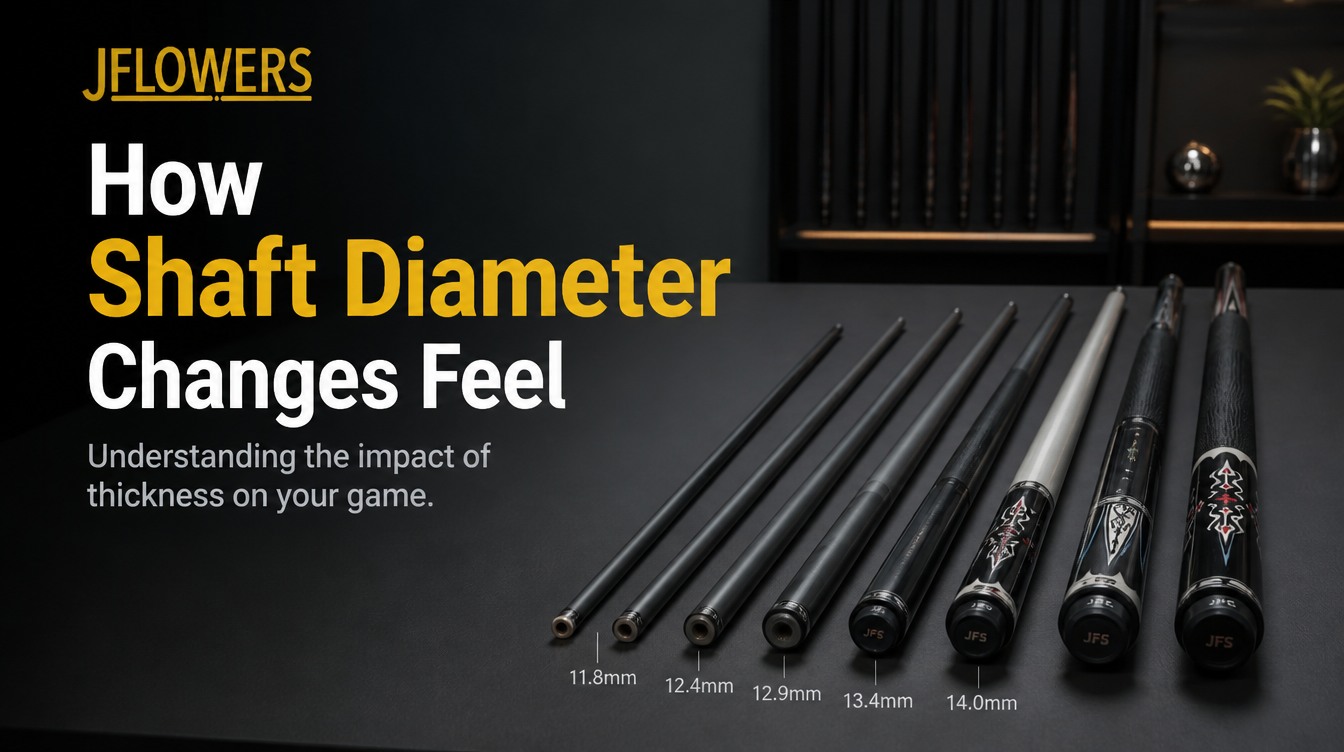
Shaft diameter is one of those spec numbers that appears on every cue listing — 12mm, 12.5mm, 13mm — but rarely gets explained in any meaningful way. Most players know it’s there. Very few understand what it actually does to how a cue plays. This guide fixes that.
Author Archives: JFlowers Cues
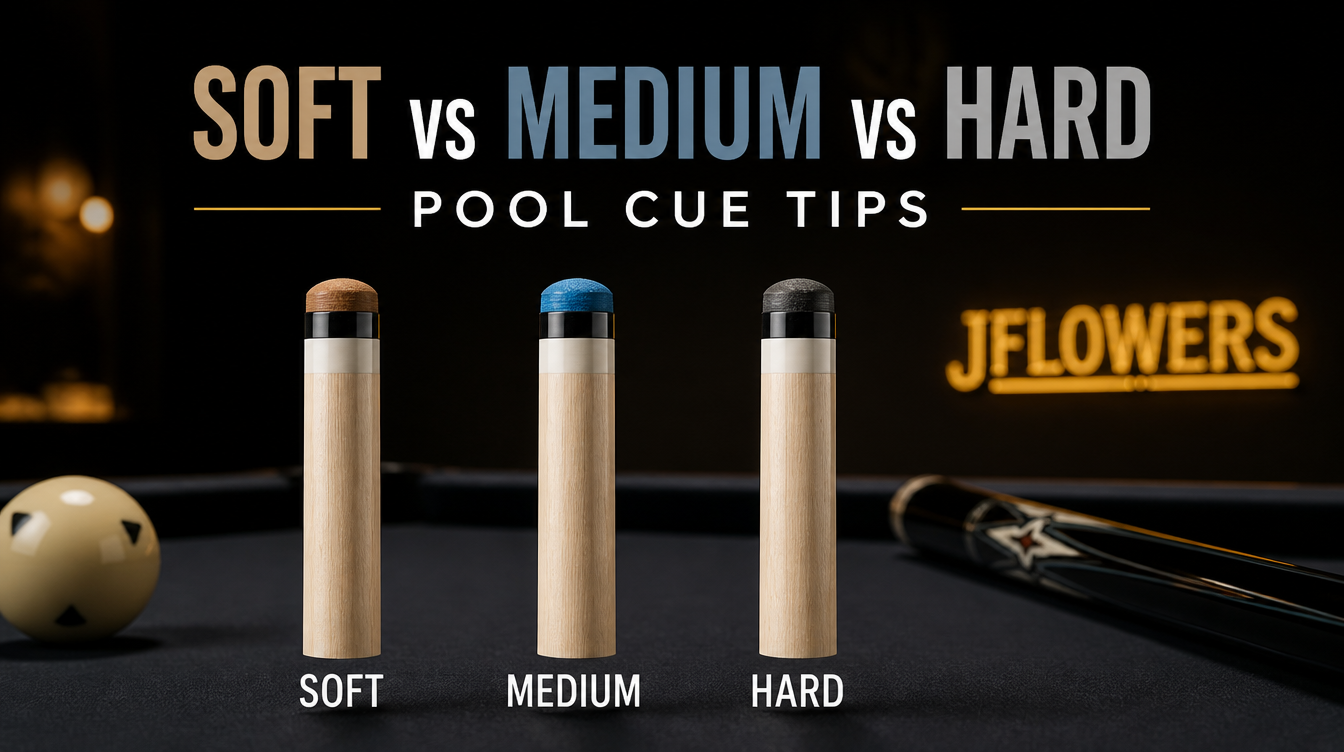
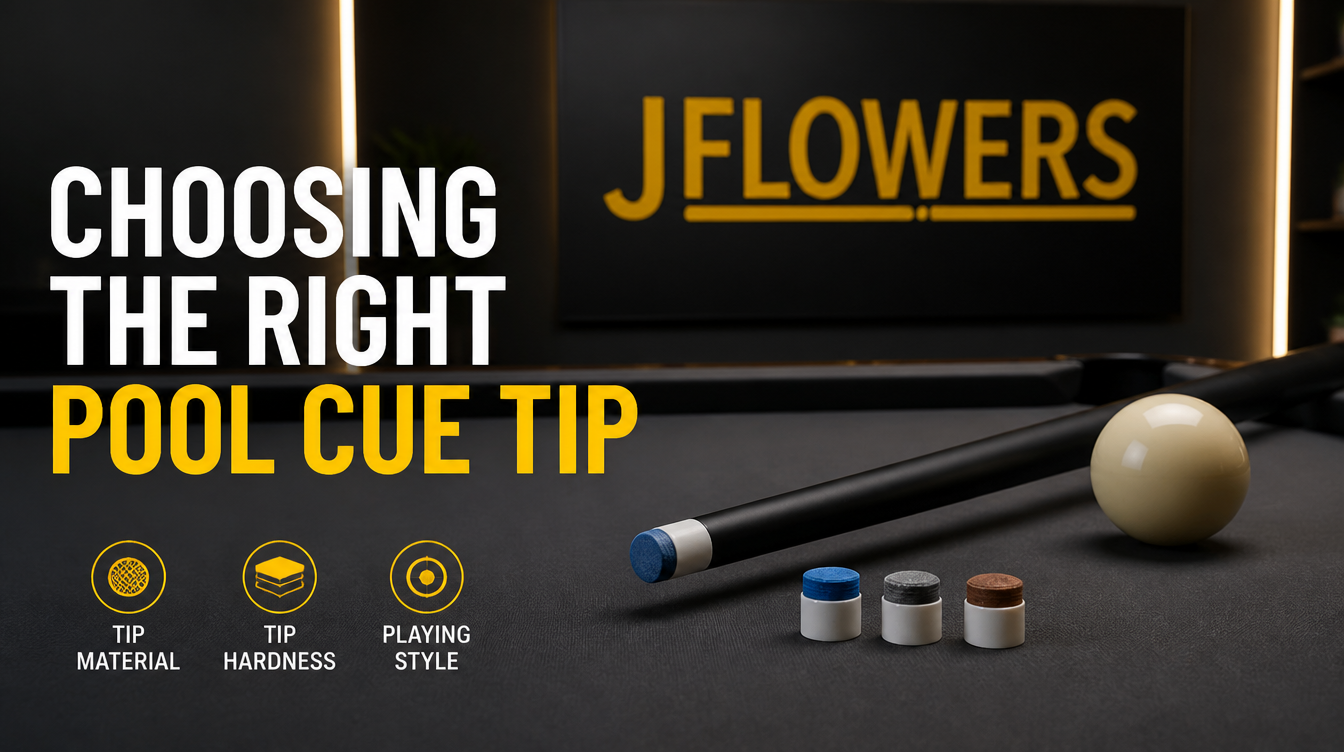
Every pool player eventually has to answer the same question: what tip should I use? If you just got a new cue, your stock tip may be mediocre. If your current tip is worn out, you’re picking a replacement. If someone told you to upgrade your tip and you’re trying to figure out what that means — this guide covers it all in one place.
The tip is a small piece of leather at the end of your shaft, and it’s the only part of your cue that ever touches the cue ball. That makes it, pound for pound, the most performance-critical component of your entire setup. Yet most players either use whatever came on their cue or pick a hardness based on something they heard at the pool hall.
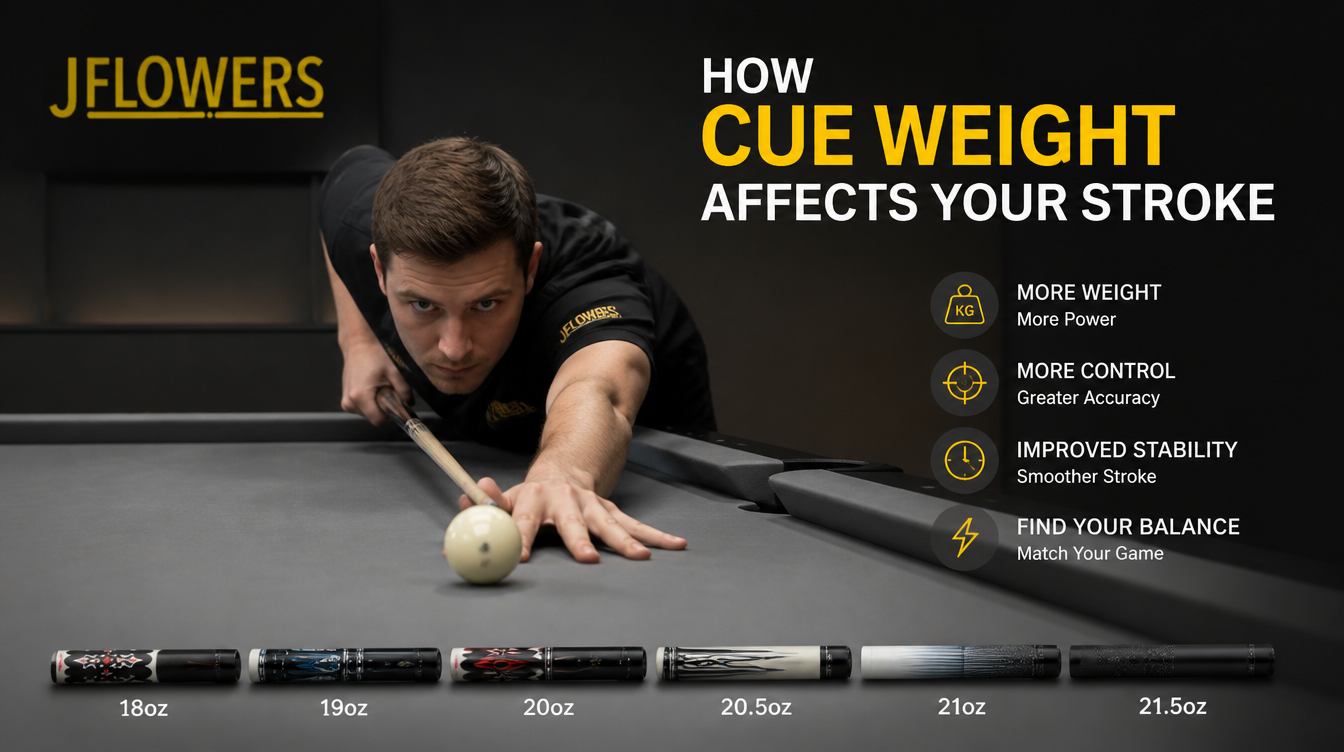
Pool cue weight is one of the first things players check when shopping — and one of the most misunderstood variables in the whole game. The myths around weight are persistent: heavier
means more power, lighter means more speed, the right weight is whatever the pros use. Most of this is wrong or oversimplified.
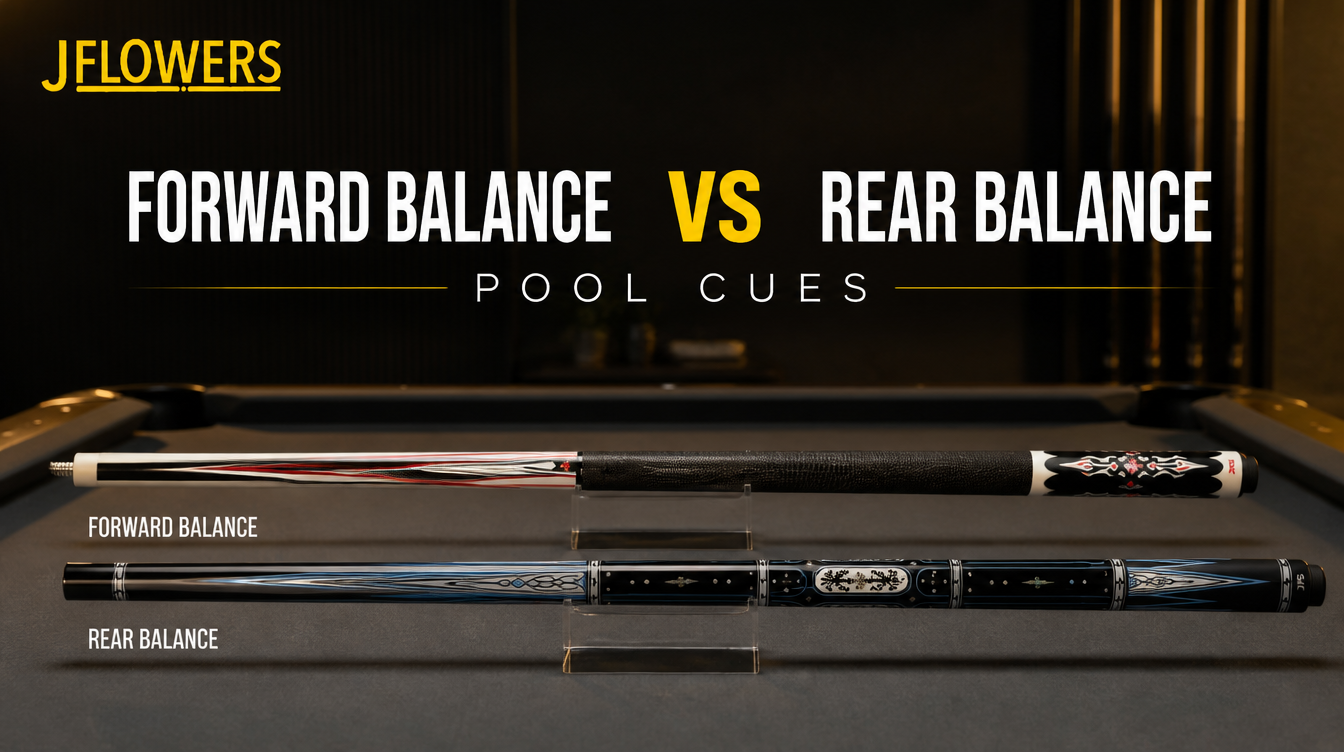
Understanding the difference between forward and rear balance — what each one actually feels like, how it affects different shot types, and which one your stroke is likely to prefer — is one of the more practical upgrades you can make to your equipment knowledge.
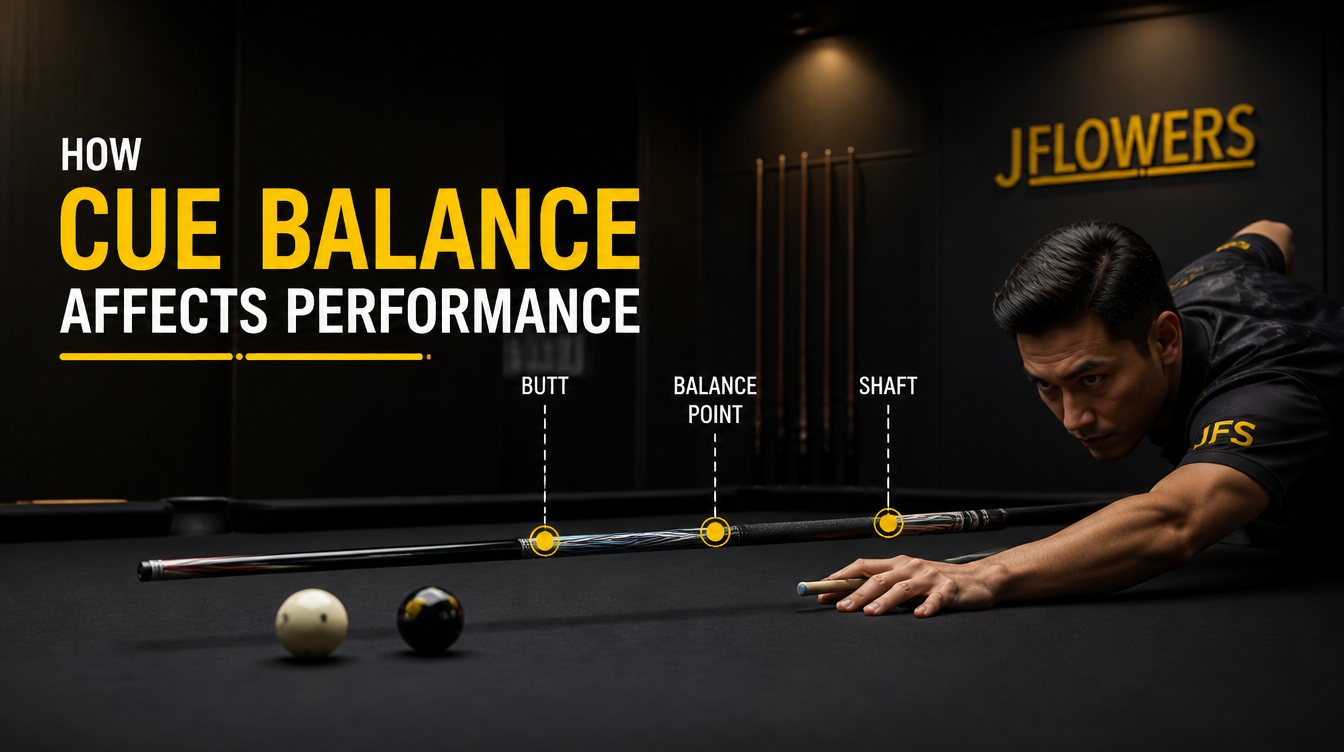
Ask most pool players what weight cue they use and they’ll tell you instantly. Ask them where the balance point is — and most will have no idea. Yet two cues with the exact same weight can feel completely different in your hand and during your stroke, entirely because of how that weight is distributed. Balance is one of the most underappreciated variables in cue selection, and understanding it properly can change how you shop for equipment and how you evaluate what you currently play with.
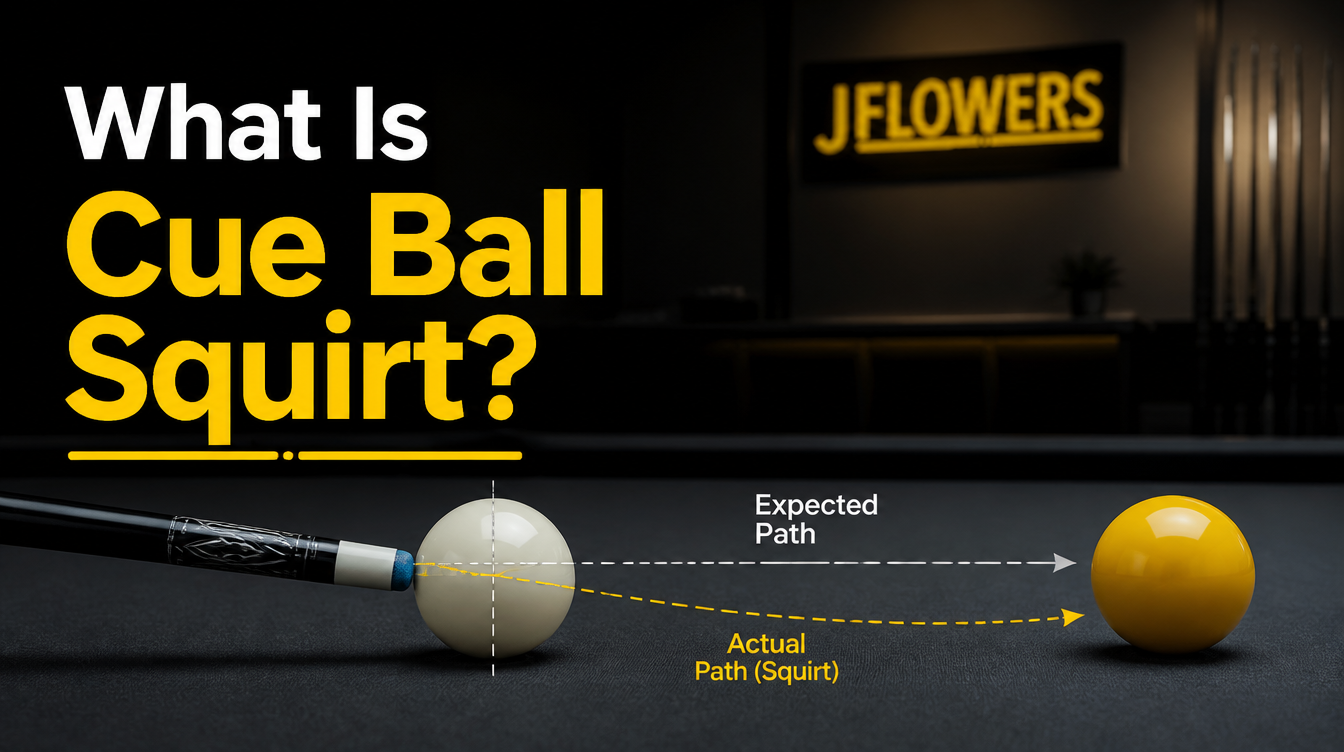
Squirt is one of those pool terms that sounds simple but hides a lot of depth. Players toss it around in pool halls and online forums, sometimes using it interchangeably with deflection, sometimes meaning something slightly different. If you’ve been confused about what squirt actually is, how it differs from swerve, and what you can do about it — this guide gives you the clear, complete picture.
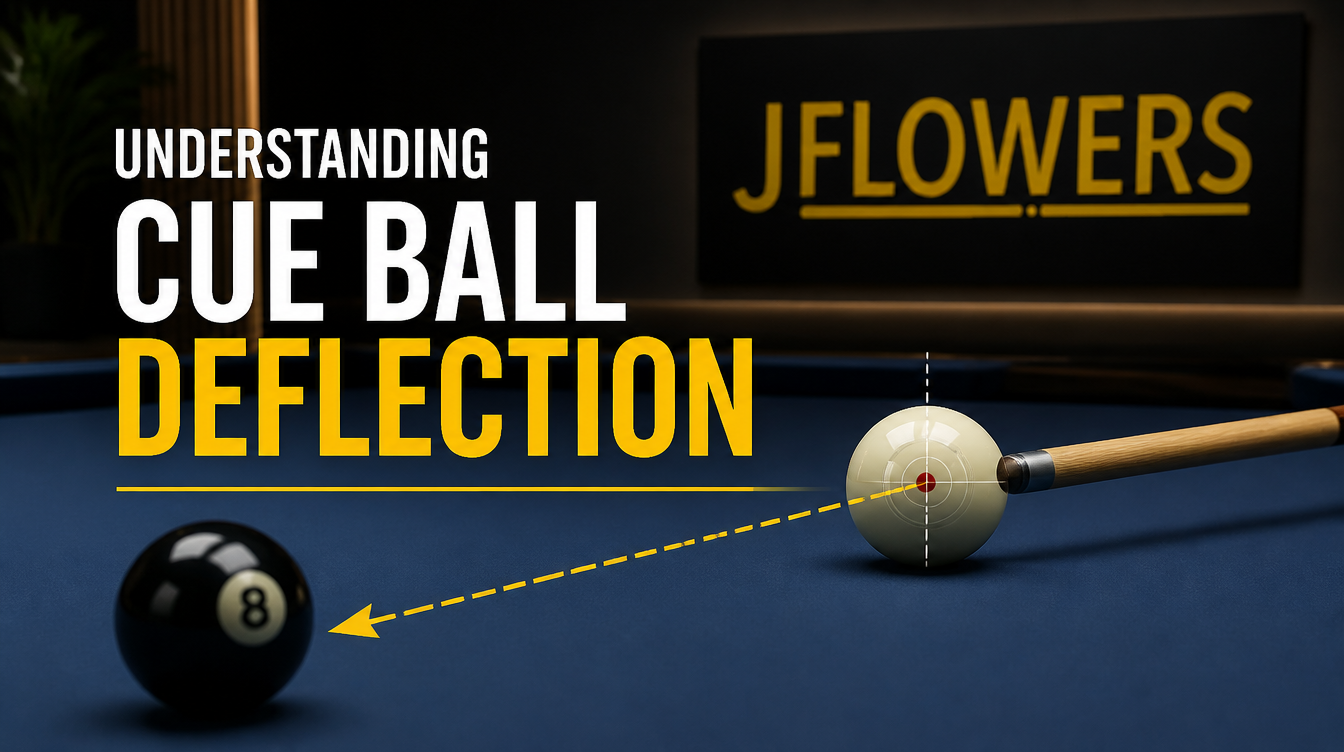
Deflection is one of those pool concepts that every player encounters early and most players never fully understand. You apply right english and the cue ball goes somewhere unexpected. You compensate a little. You compensate too much. Your english shots stay inconsistent for years — sometimes for an entire playing career — because nobody ever properly explained what’s actually happening.
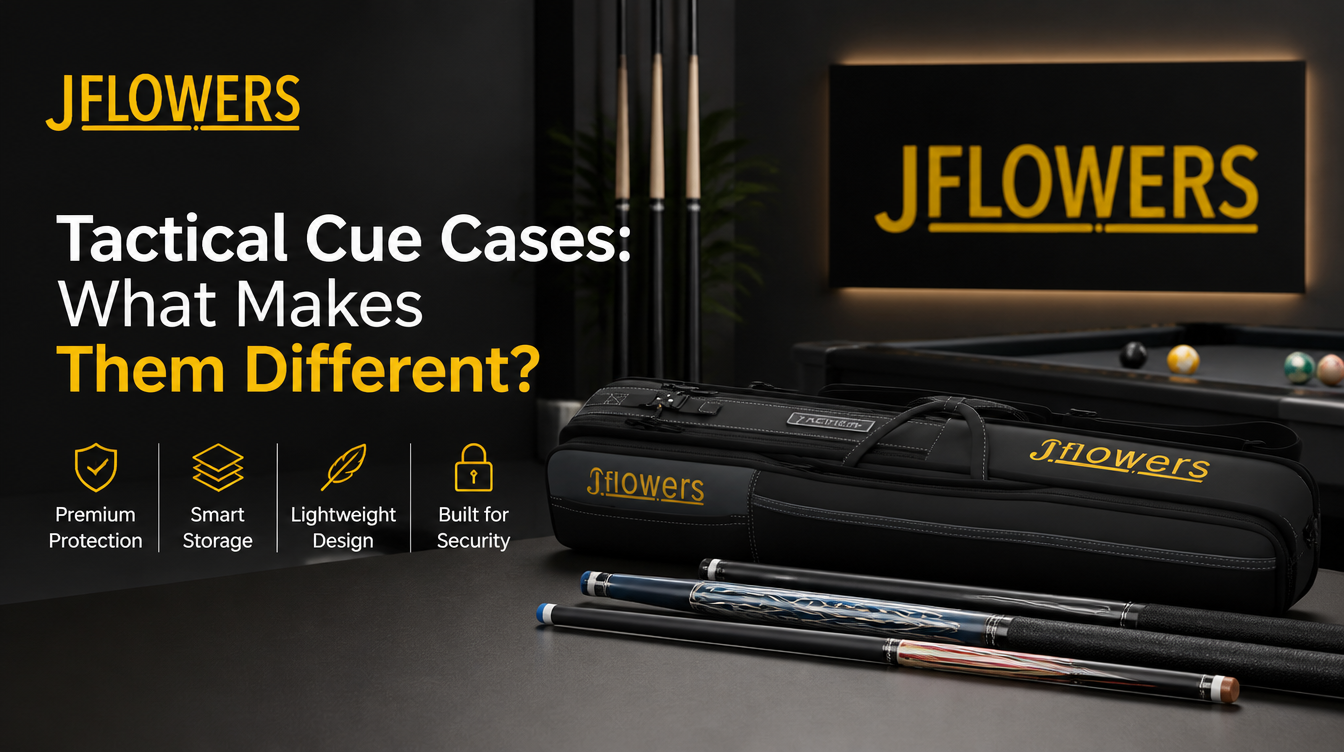
The term “tactical” gets applied to a lot of gear in the sporting world — sometimes as meaningful engineering description, sometimes as pure marketing. In the context of pool cue cases, tactical design refers to a specific approach to construction, carrying, and organization that differs meaningfully from standard cue cases.
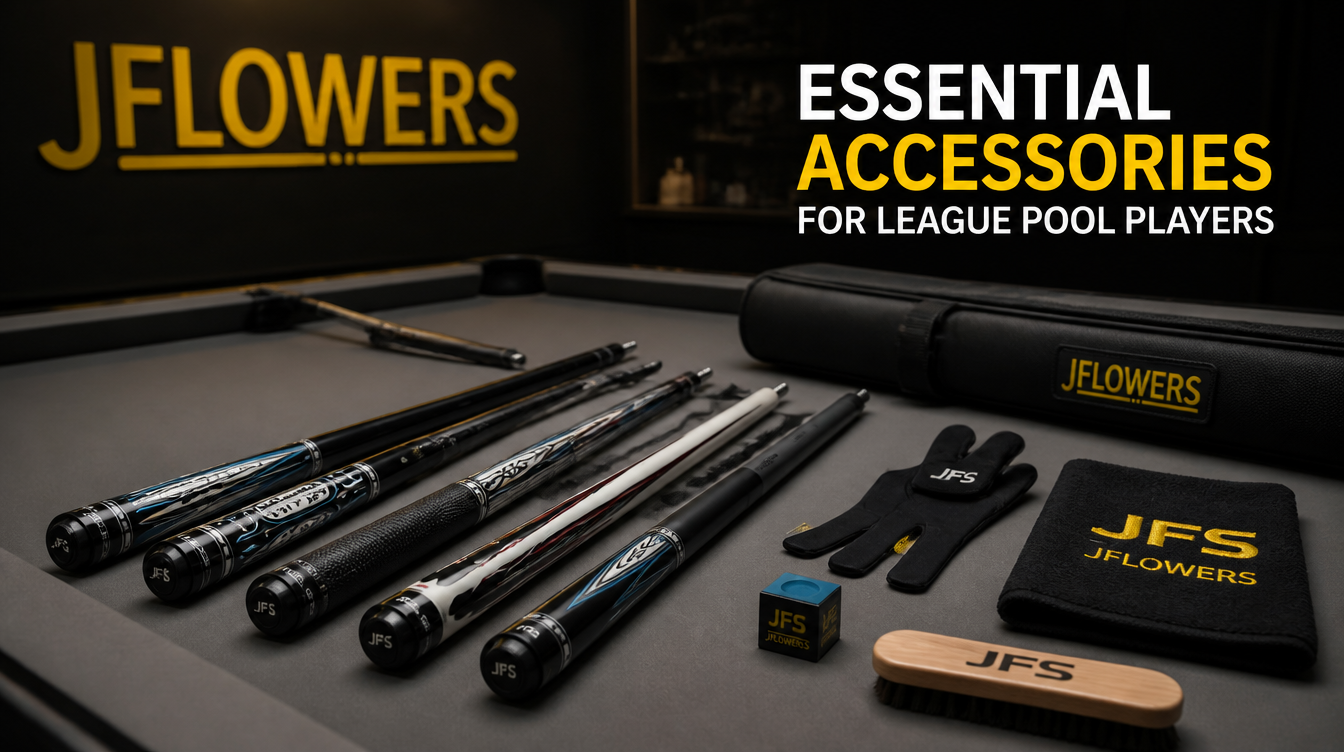
League pool puts specific demands on your equipment and accessories that casual play doesn’t. You’re playing more frequently — often two to three times a week. You’re playing in different venues with different tables, different lighting, different ambient temperatures. You need to be consistent night after night, and your equipment needs to support that consistency.