04
Aug
Aug
Every pool player, at every level, benefits from the same core set of accessories. The specific products may differ by budget, but the categories are universal. This is the no-fluff list: what you actually need, why and where to start.

Every pool player, at every level, benefits from the same core set of accessories. The specific products may differ by budget, but the categories are universal. This is the no-fluff list: what you actually need, why and where to start.
What professional pool players carry to tournaments is more thoughtfully assembled than most amateur players realize. Professionals have tested every component over thousands of hours and hundreds of events. Their equipment decisions reflect what actually makes a difference when performance matters
most.
A perfect pool equipment kit isn’t the most expensive setup. It’s the setup that removes every equipment variable from your game while matching your competitive level, budget, and playing style. This guide walks through building that setup systematically — from the cue to the accessories — with specific
recommendations at each step.
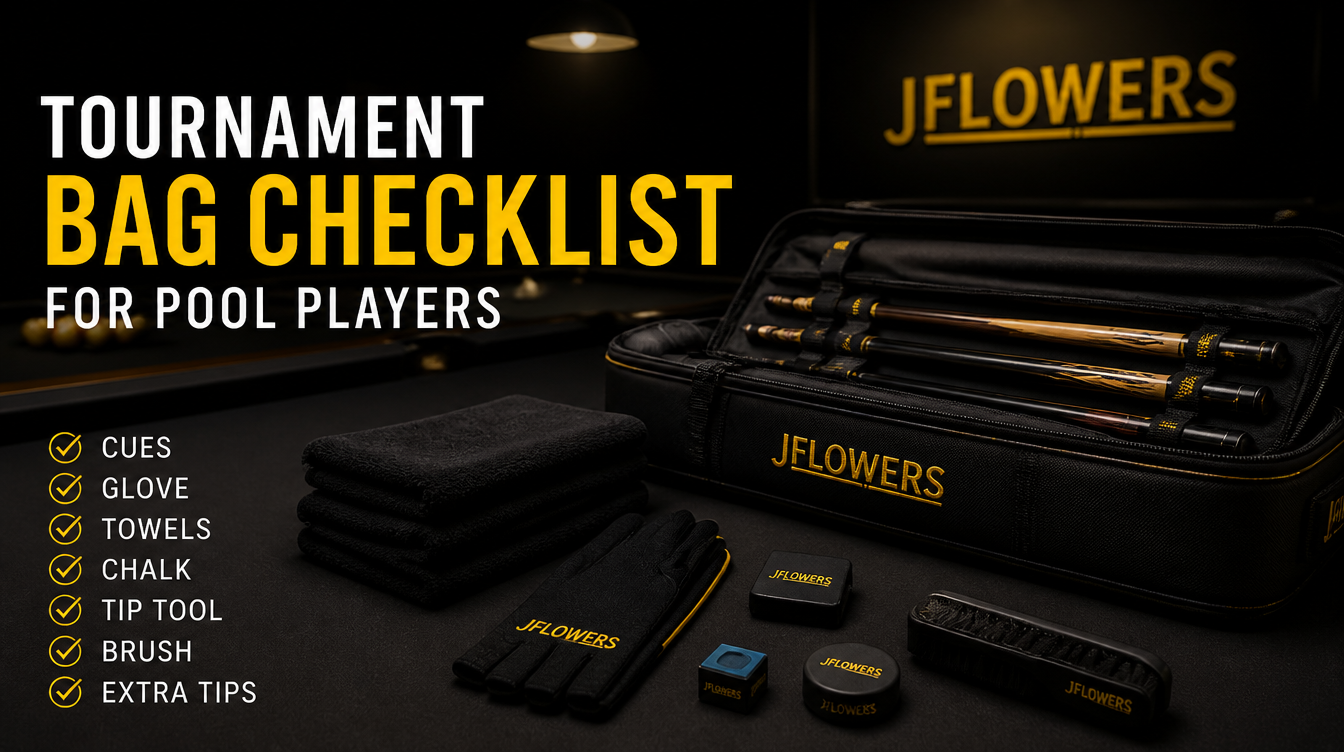
Tournament preparation is where equipment management pays off most directly. You’re playing multiple matches across hours or days in an unfamiliar venue. Equipment that fails, accessories you forgot, or a tip problem with no spare — these are the avoidable disasters that end tournament runs for players who
showed up unprepared.
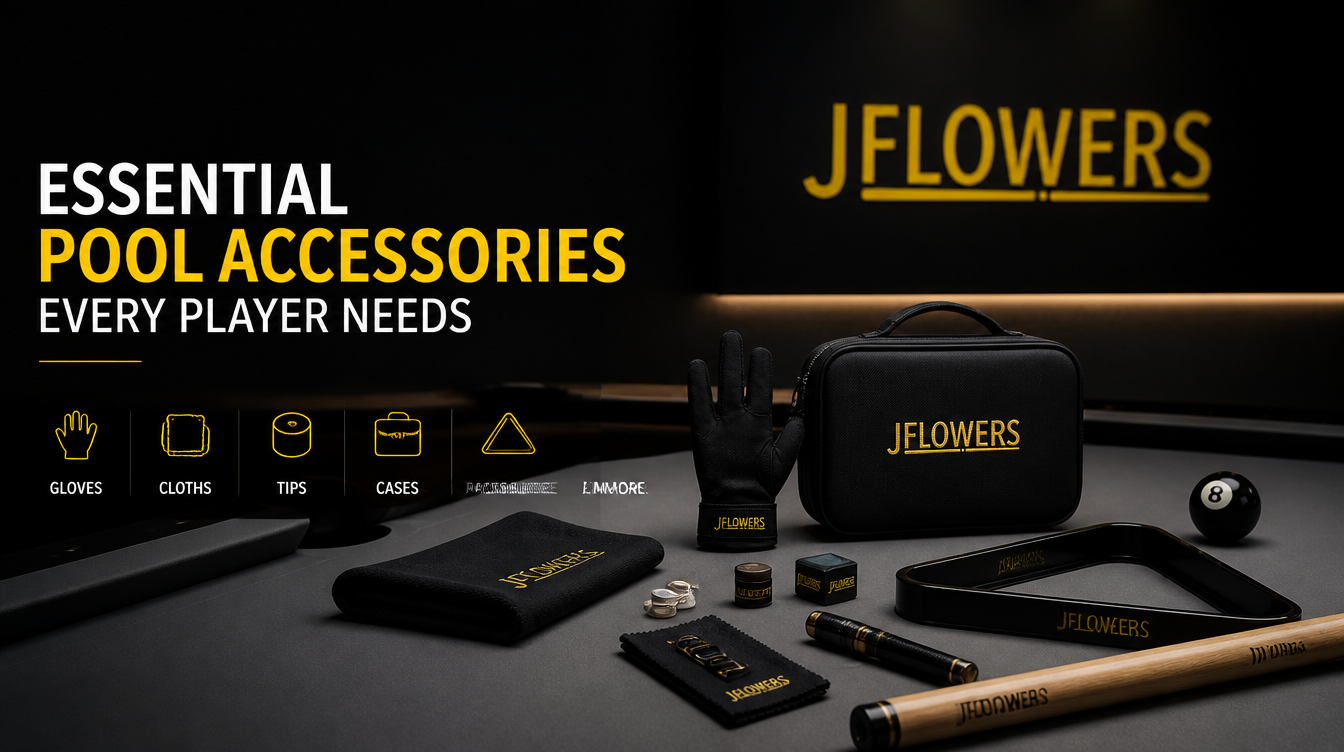
The accessories in your case are the complete equipment system that supports your cue on every shot. Most players build this kit gradually — one item here, one item there, as they realize what’s missing. This guide gives you the complete picture upfront: every essential accessory, why it matters, and our recommendation for each one.
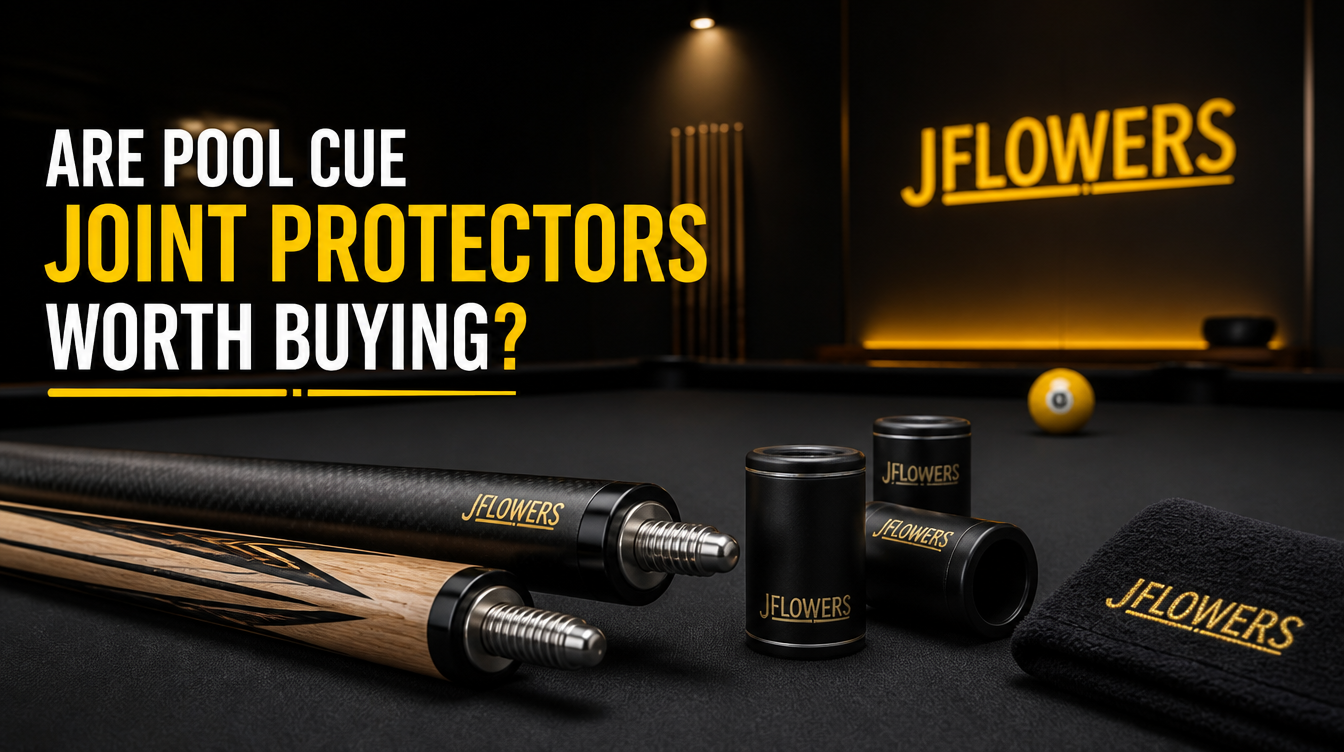
Joint protectors are small, inexpensive accessories that screw onto the exposed joint ends of a disassembled cue — one fits the shaft’s joint end, one fits the butt’s joint pin. They cost $5-$20 per pair and take seconds to apply. And yet most beginner players have never used them, and many intermediate players skip them routinely.
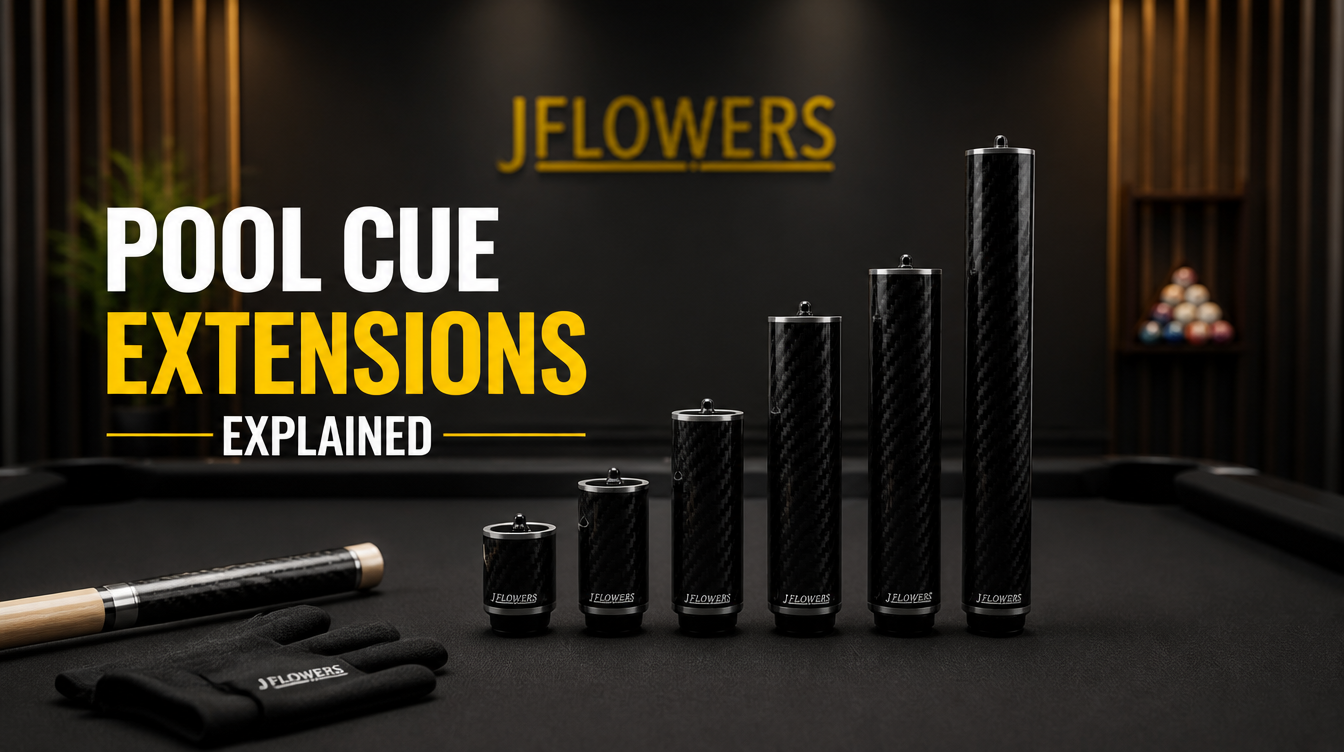
Pool cue extensions are the accessory players reach for when the cue ball is too far from the table edge for a comfortable bridge, but using the mechanical bridge feels awkward or imprecise. An extension adds 6-12 inches to the butt of the cue, allowing a normal grip and stroke on shots that would otherwise require an uncomfortable stretch or a mechanical bridge.
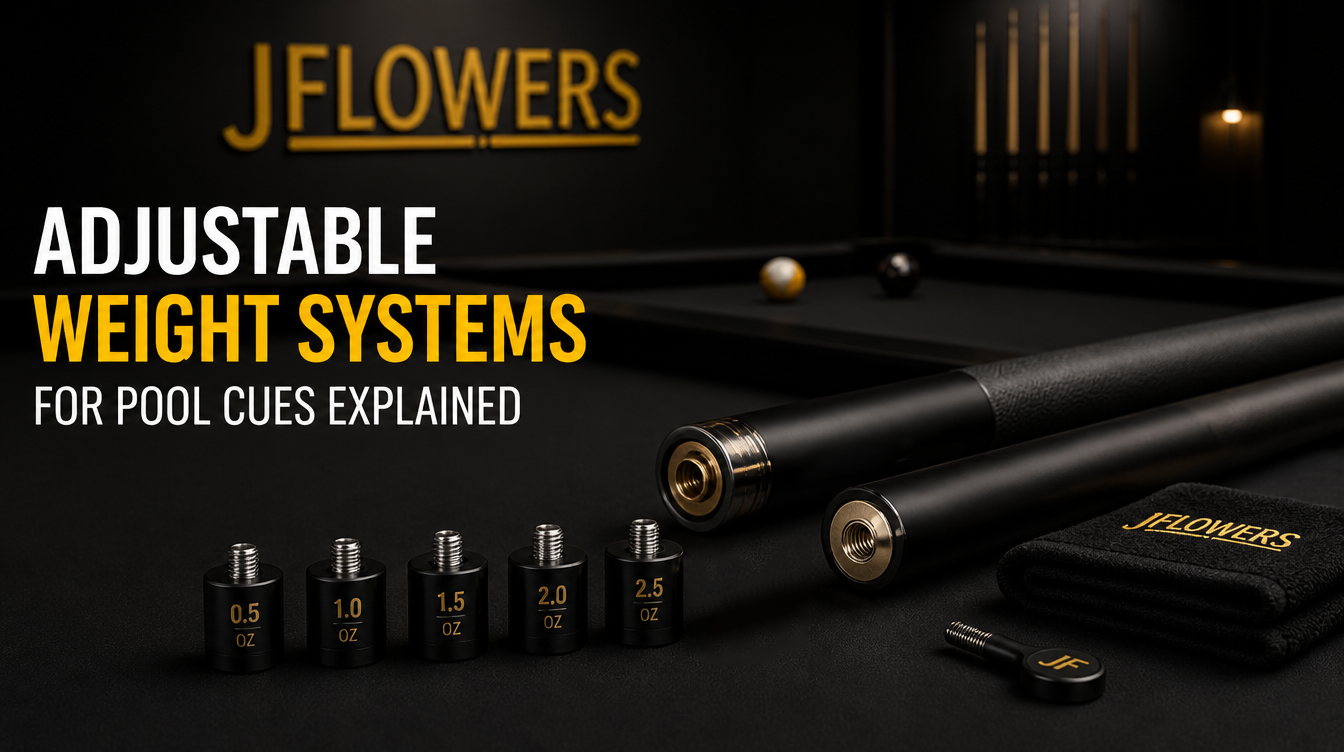
Pool cue weight adjustment isn’t new — players have been adding weight to cue butts for decades. What’s evolved is how systematically manufacturers have approached built-in adjustability, from basic bolt systems to sophisticated internal mechanisms. This guide covers how different adjustable weight system designs work and what to look for when evaluating a cue’s weight adjustment capability.
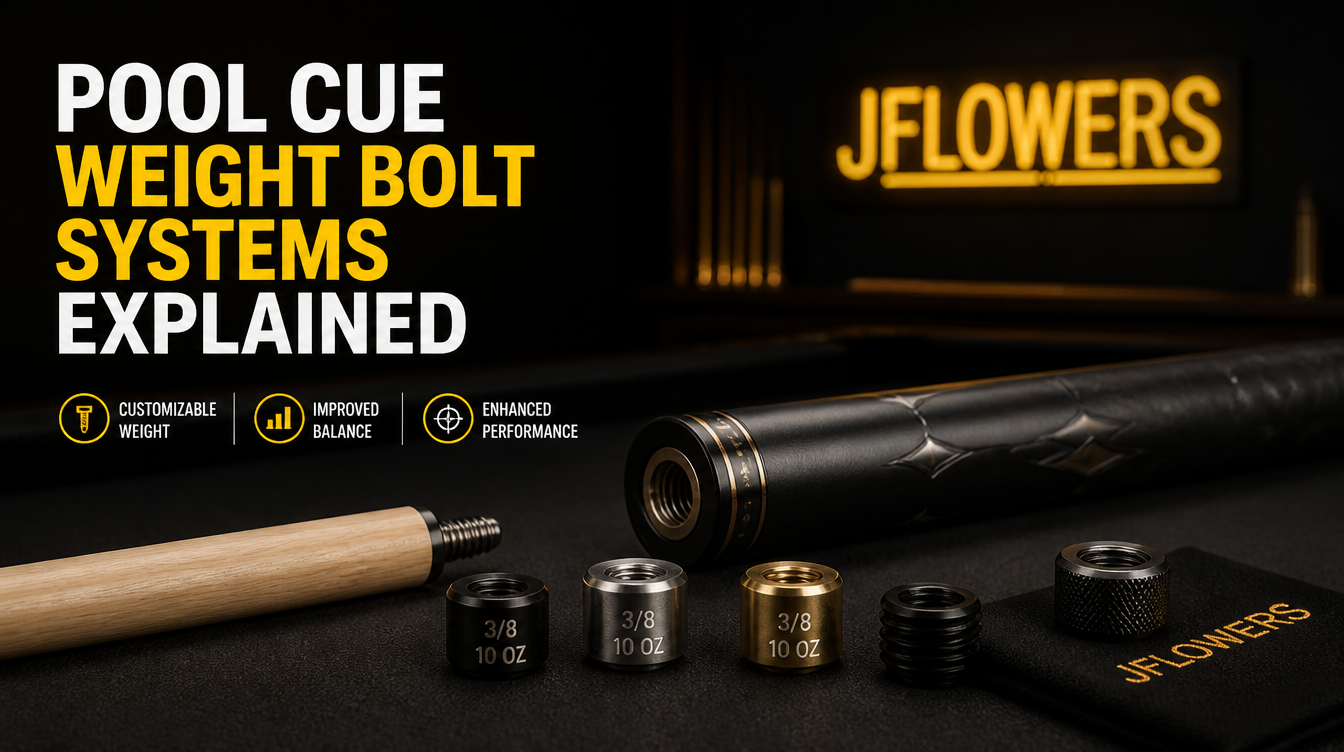
Total cue weight is one of the most personal equipment preferences in pool — and it’s one that changes as your game develops. Weight bolt systems let you tune your cue’s weight within a range rather than being locked into whatever weight the cue shipped with. Understanding how they work, what range they provide, and when they’re useful helps you decide whether a weight-adjustable cue belongs in your setup.
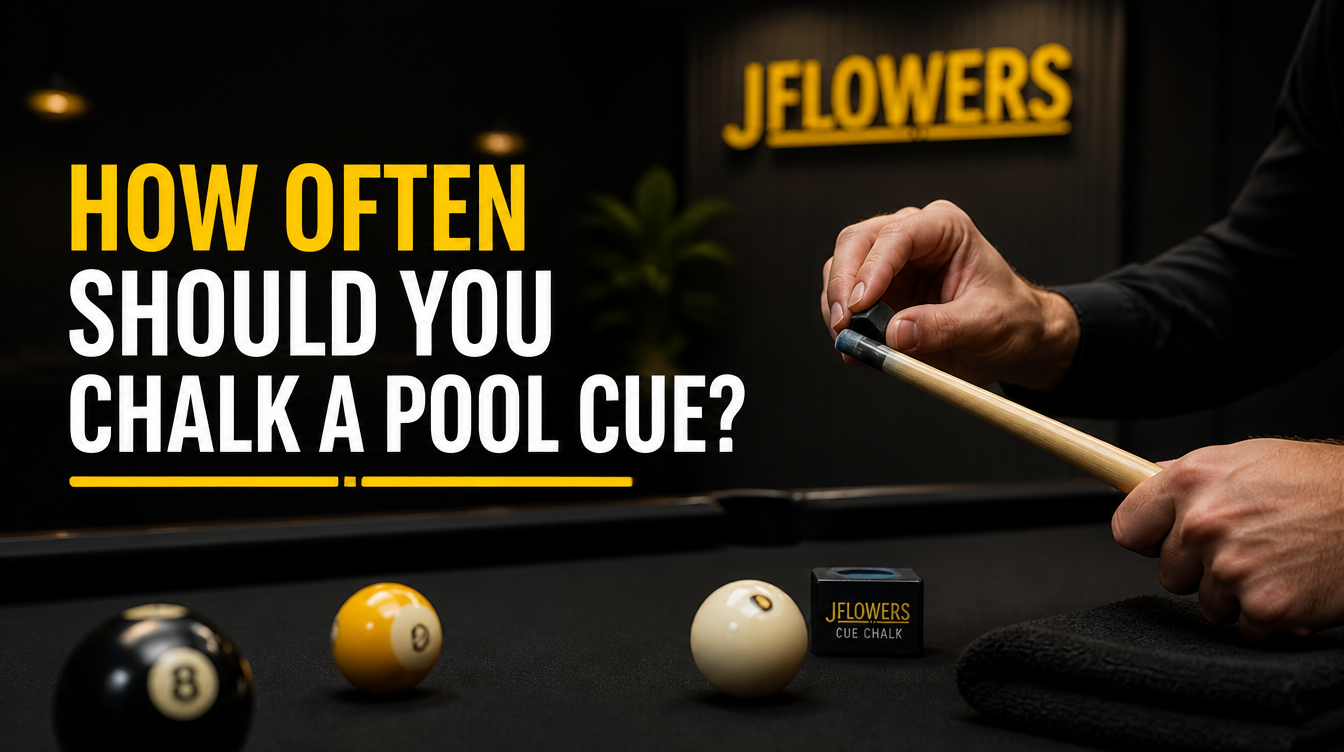
The answer is simple: before every shot. Not before english shots. Not before draw shots. Before every single shot, every time, without exception.