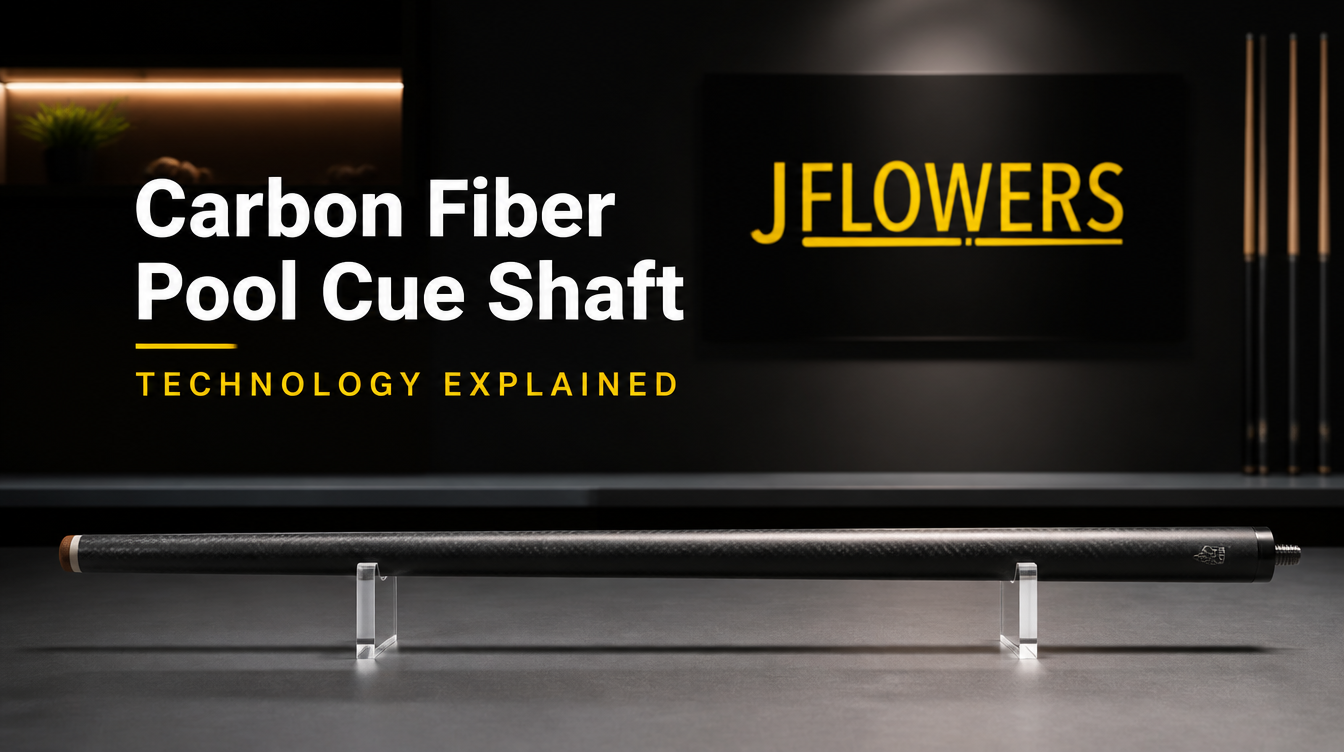
Carbon fiber pool cue shafts are more technically sophisticated than they look. The smooth, matte exterior conceals a precisely engineered composite structure that took years of development to optimize for pool’s specific requirements. Understanding the technology helps you evaluate shaft quality intelligently — and appreciate why there are meaningful performance differences between well engineered and poorly-engineered carbon fiber shafts.
Author Archives: JFlowers Cues
The sound of a pool cue shaft hitting the cue ball is one of the most immediate and visceral sensory experiences in the game. Players develop a relationship with that sound over years of play — and when they pick up a carbon fiber shaft for the first time, the sound is immediately, noticeably different.
Pool players talk about ‘hit’ constantly. A cue with a good hit. A shaft with a soft hit. A hard hit that sends the cue ball off the table differently. But what does hit actually mean — and what does carbon fiber
specifically do to it?
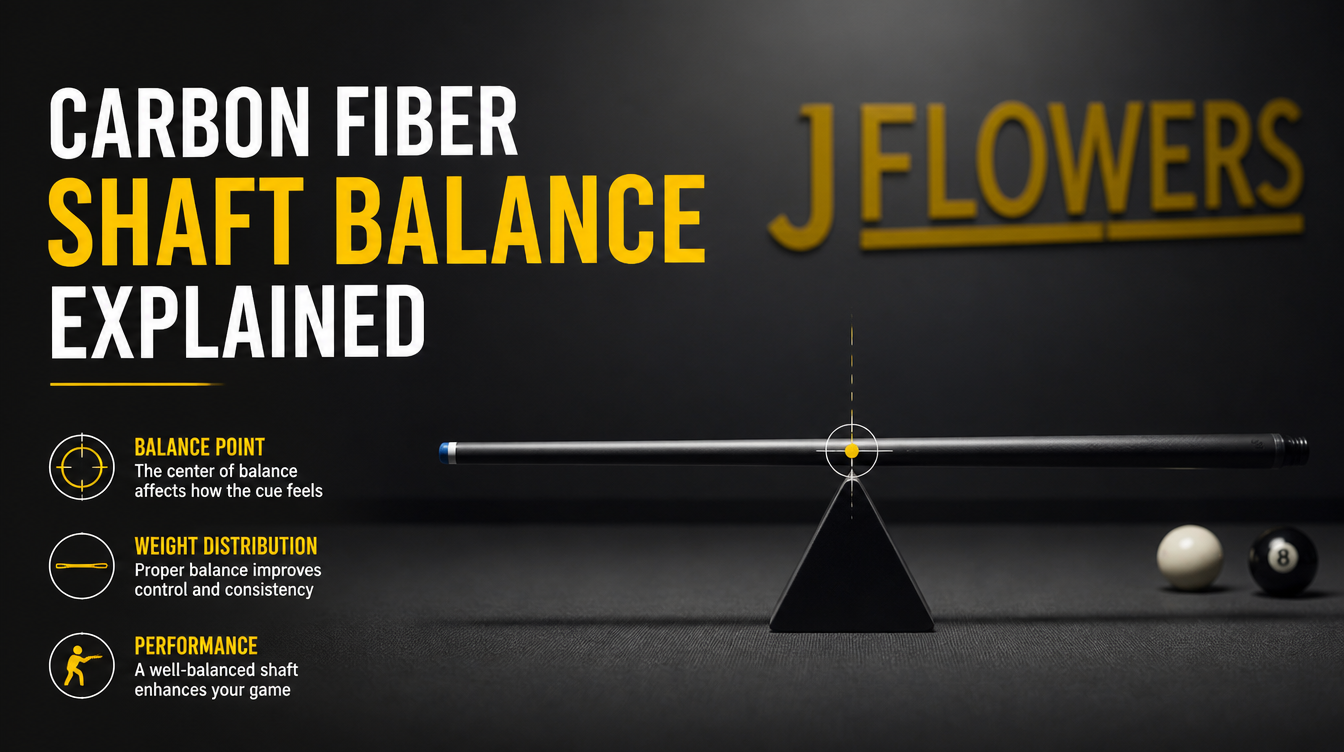
Balance is one of those cue characteristics that experienced players feel immediately but struggle to explain precisely. When a cue feels ‘right’ in the bridge hand — when it hangs naturally and swings through the stroke without effort — balance is doing that work. Understanding how carbon fiber shafts approach balance differently from maple helps you choose a shaft that serves your stroke.
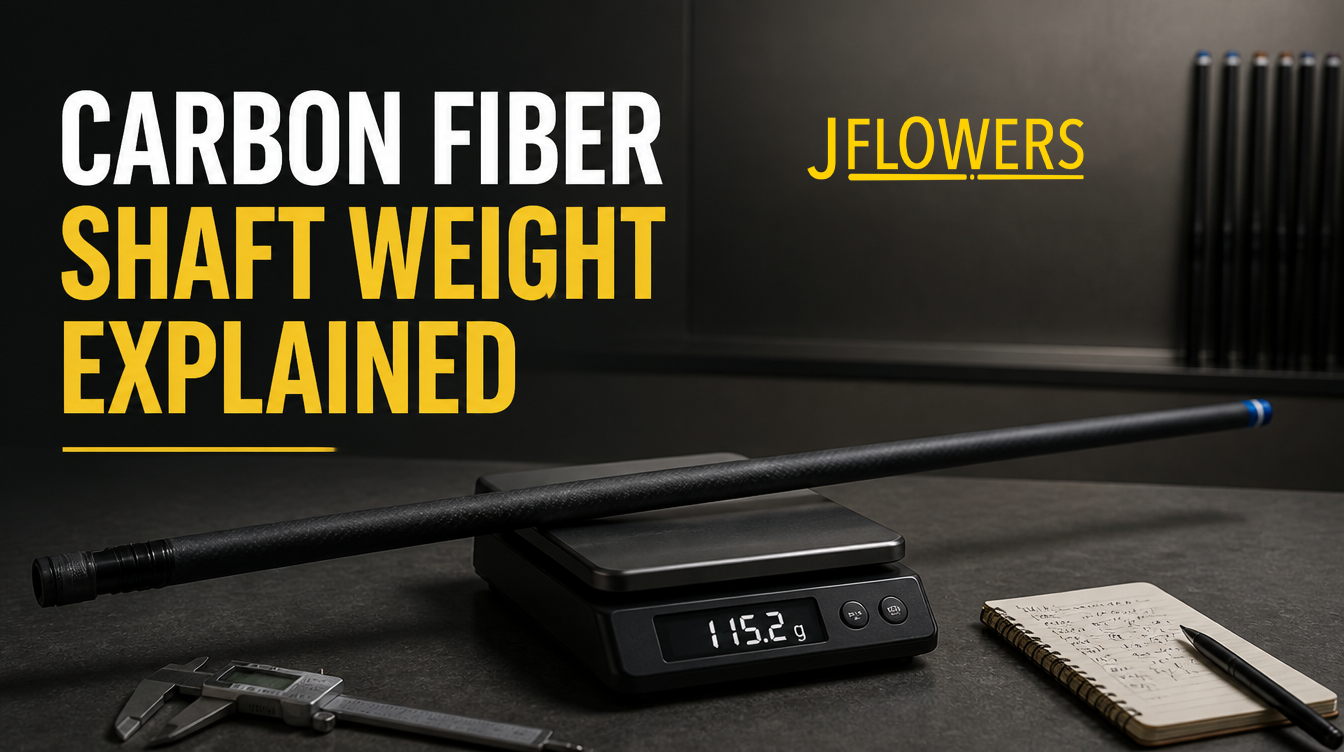
Pool cue shaft weight is one of the variables that affects both how a cue feels in your hand and how it performs on the table. When players switch from maple to carbon fiber, they often notice that the shaft feels different in a way that isn’t purely about the hit — and weight distribution is a significant part of that
difference.
Advanced pool players have a more complex relationship with carbon fiber than beginners do. You’ve spent years building your game on a specific shaft’s deflection profile. Your aim compensation for english is automatic. Your feel for the cue ball under different spin types is ingrained. Switching to carbon fiber means disrupting all of that — at least temporarily.
If you’ve just started playing pool and you’re already reading about carbon fiber shafts, you’re either a serious person or you went down a YouTube rabbit hole. Either way, the question deserves a direct
answer: should beginners use a carbon fiber pool cue shaft?
The question comes up constantly when players are considering the switch to carbon fiber: do the pros actually use it? If the best players in the world are still on maple, that says something. If they’ve moved to carbon fiber, that says something too.
Carbon fiber shafts raise a lot of questions — and the internet is full of partial answers, brand marketing, and forum debates that go in circles. This FAQ collects the most common and most important questions serious players ask about carbon fiber pool cue shafts, with straight honest answers.
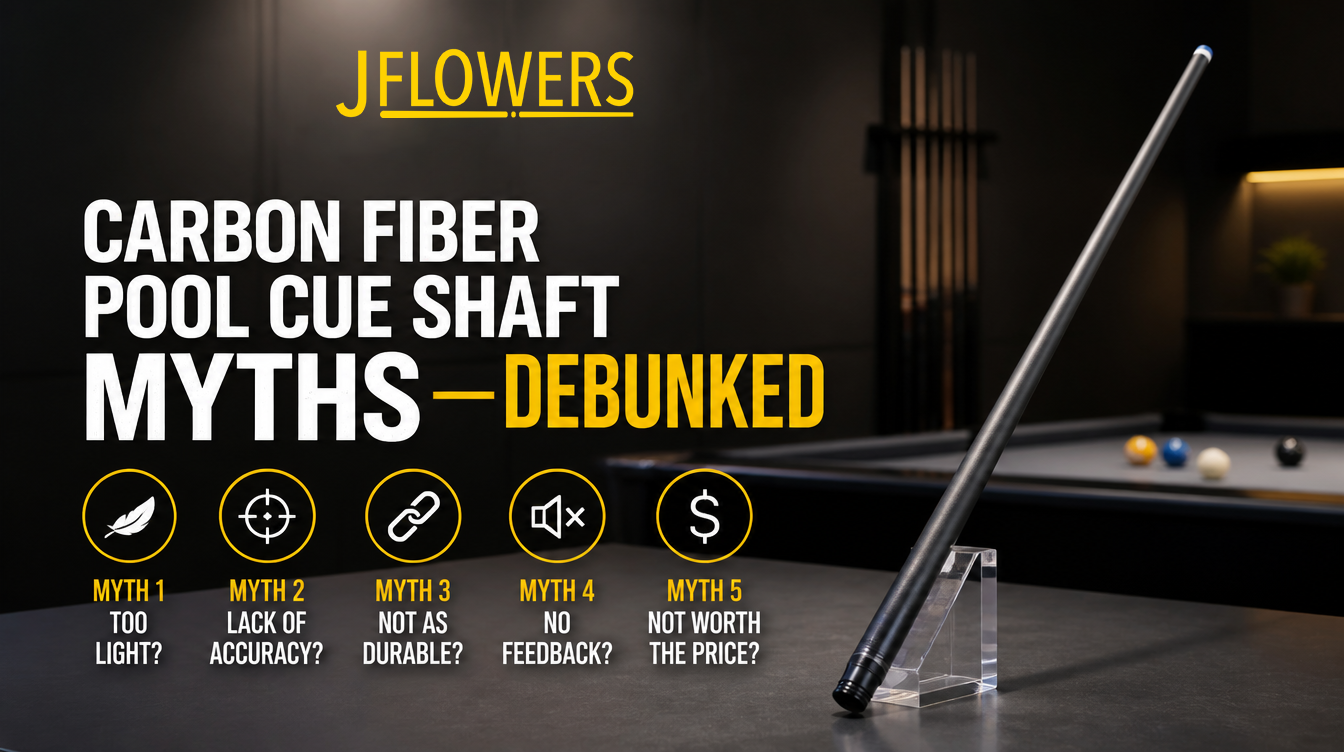
Carbon fiber shafts have been in the pool market for over a decade now, and the myths have accumulated almost as fast as the real players endorsing them. Some come from genuine misunderstanding of the technology. Some from players who tried a cheap shaft and had a bad experience. Some from players who simply don’t want to change what they know.