Pool is a game built on tradition. The same basic equipment — a tapered wooden stick, a leather tip, a felt table — has been used for centuries. Change comes slowly to cue sports.
Which is why the rise of carbon fiber shafts over the last decade is worth paying attention to. When a technology gets adopted at the highest competitive level, in a game this conservative, it’s because the advantages are real.
Author Archives: JFlowers Cues
If you’ve been shopping for a new shaft, you’ve hit this choice: carbon fiber or maple? Both have passionate advocates. Both produce players who win at the highest levels. And both camps will give you a dozen reasons why theirs is the obvious choice.
This is probably the most asked question in pool equipment right now. Carbon fiber shafts are everywhere — in the pro game, in the pool halls, in every online forum where players talk gear. And they’re not cheap. A quality option runs $250–$600 or more. So before you spend that kind of money, you deserve an honest answer: are they actually worth it?
Walk into any serious pool room today and you’re going to see carbon fiber. On the practice tables, in the cases sitting on the rail, in the hands of players running racks. It’s everywhere — and if you’ve been playing for more than a minute, someone’s probably already told you to consider one.
Whether you’re buying your first pool cue or upgrading from your current setup, choosing the right cue can dramatically impact your performance, consistency, and enjoyment of the game.
With hundreds of cues available in different materials, weights, shaft technologies, and price ranges, it’s easy to become overwhelmed.
Pool cue shopping has a lot of traps. Marketing language, flashy aesthetics, bad advice from well-meaning people at the pool hall — these things combine to send a lot of buyers in the wrong direction. Here’s a detailed breakdown of the most common mistakes, why they happen, and what to do instead.
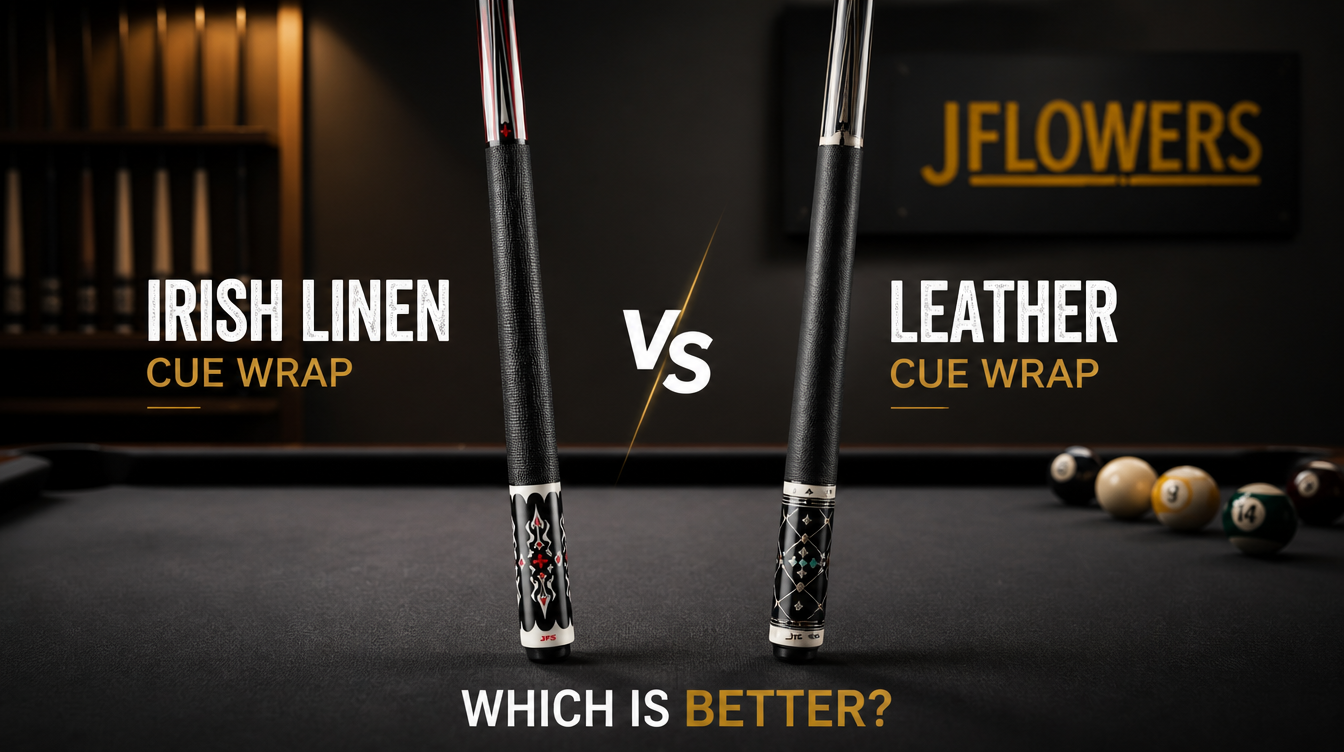
The wrap — or lack of one — on a pool cue is one of those variables that players either have strong opinions about or haven’t thought much about at all. It’s not the most performance-critical factor in cue selection, but it affects feel in the hand significantly and can genuinely affect how comfortable and consistent your grip is over a long session.
Most players talk about cue weight when they’re shopping. Almost no one talks about balance — even though two cues with the exact same weight can feel completely different depending on where that weight sits. Understanding balance gives you a more sophisticated way to evaluate cues, and it often explains why a cue you picked up felt “off” even though the specs looked right.
Buying a carbon fiber shaft is a different process than buying a traditional maple shaft. The variables are fewer in some ways — you don’t worry about wood grain, break-in period, or warping. But the variables that do matter — construction quality, ferrule design, deflection characteristics, joint compatibility — require specific knowledge to evaluate correctly.
The pool cue market has more brands than ever, and the quality gap between the top manufacturers has narrowed significantly over the last five years. Navigating it requires cutting through marketing and brand loyalty to look at what different manufacturers actually deliver — in shaft technology, construction quality, value, and support.