Walk into a sporting goods store and you can pick up a pool cue for $30. Walk into a specialty billiards shop and you can spend $1,500 on one. Both are pool cues. So what exactly is the difference? The honest answer comes down to five things: shaft quality, joint precision, tip and ferrule construction, balance design, and build consistency. Some of these differences are enormous between price tiers. Others are marginal once you’re past a certain threshold.
Author Archives: JFlowers Cues
It’s one of the most common questions in billiards: how much cue do you actually need? The honest answer is — it depends on where you are in your game right now and where you’re headed. Spending $800 on a cue before you’ve developed a consistent stroke is wasted money. Playing for years on a $60 stick when you’re ready to compete is holding you back. This guide maps every budget tier, what you get at each price point, and when it makes sense to move up.
Not every expensive pool cue is actually premium. And not every premium cue will break the bank. Once
you understand what separates a quality stick from a cheap one, you’ll stop buying on price alone — and
start buying on what the cue is actually built from.
Walk into any pool hall today and the cue rack looks different than it did ten years ago. Carbon fiber shafts sit next to maple sticks. New brands are earning shelf space next to names that have been around for decades. And with so much available online, figuring out which brand actually delivers for your game takes some real digging.
The errors that damage cues, shorten equipment life, and cost players money. Most cue maintenance mistakes fall into two categories: doing things that actively damage the cue, and not doing the things that protect it. Both are common. Both are avoidable.
Protecting your cue on the road, in the air, and across every type of trip.
Traveling with a pool cue creates equipment risks that don’t exist when you play locally. Cars that get hot. Checked luggage that gets thrown around. Varying climates that affect maple shafts. The possibility of arriving at a tournament without your cue because it was confiscated or damaged in transit.
What actually works, what’s worth buying, and what you can skip.
The pool cue care product market has a lot of options — some genuinely useful, some redundant, and some that are either marketed poorly or positioned as necessities when they’re really optional. This guide cuts through the noise and tells you exactly what’s worth having, what it does, and what you can pass on.
Most pool players either over-maintain their cues (applying products that aren’t needed and sometimes cause problems) or under-maintain them (doing nothing until something obviously breaks). The right maintenance routine is somewhere in the middle — simple, consistent, and organized by how often each task actually needs to happen.
What causes it, who it affects, and how to make sure it never happens to your cue.
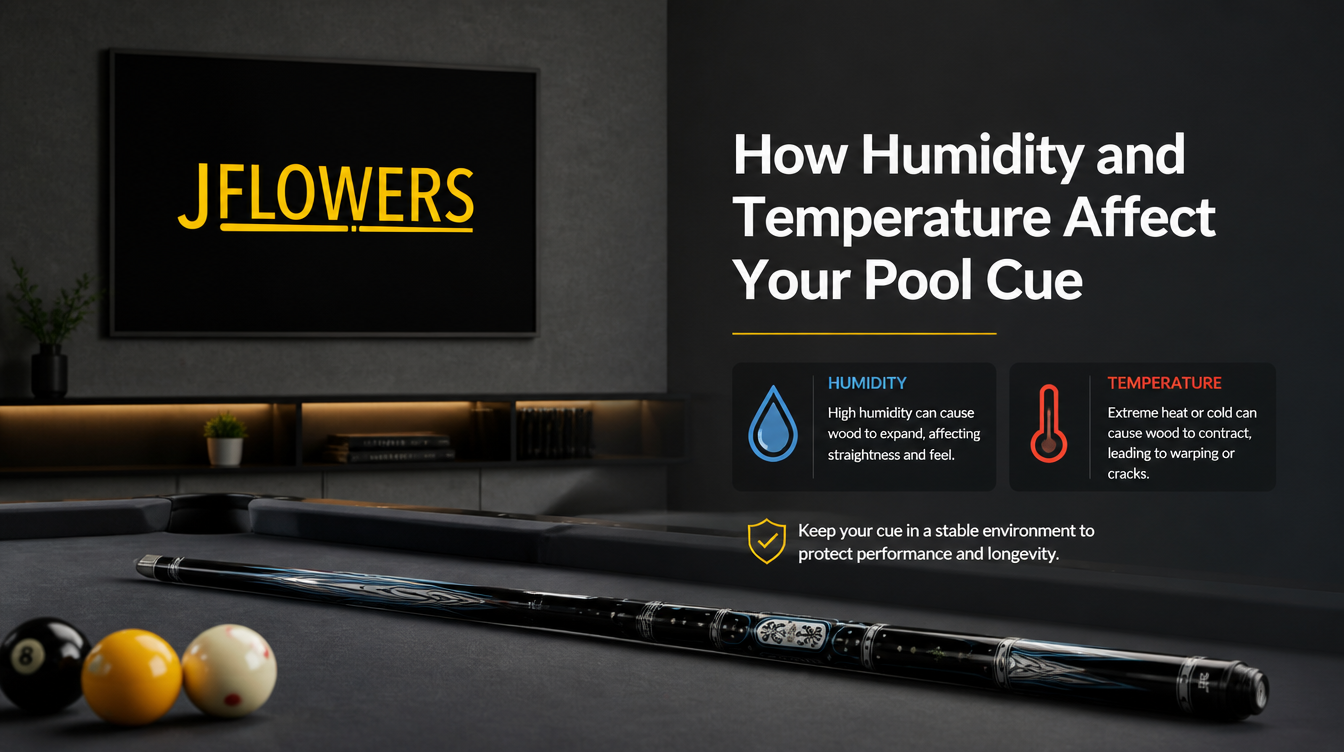
A warped pool cue shaft is one of the most frustrating equipment problems in the game — and one of the most preventable. The warp doesn’t happen overnight. It develops slowly over weeks or months of suboptimal storage, usually without the player noticing until the shot inconsistency has gotten bad enough to investigate.
The real answer — based on how you play, what tip you use, and what the signs say.
There’s no single right answer to how often a pool cue tip needs replacing. The real answer depends on three things: how hard the tip is, how often you play, and what the tip is telling you. This guide gives you the practical framework to figure out the right replacement schedule for your specific situation.