Tournament pool is a different animal. The pressure is higher, the margins are tighter, and every variable in your game — including your equipment — is amplified. A shaft inconsistency that barely matters in a casual session becomes genuinely costly when you’re on the hill in an important match.
Author Archives: JFlowers Cues
League pool is its own world. You’re not playing in a controlled environment on the same table every session. You’re hauling your cue to different pool halls, dealing with different cloth speeds, different lighting conditions, table sizes that vary between venues, and opponents with a wide range of skill levels. Your equipment needs to hold up through all of it — consistently.
At the sub-$1,000 level, you’re shopping in territory that used to require spending significantly more. The pool cue market has matured in ways that benefit serious players — the best carbon fiber shafts, quality custom-style construction, and premium materials throughout are all available well under $1,000 from manufacturers who have invested heavily in the technology.
The $300–$500 range is widely considered the sweet spot in pool cue shopping — and for good reason. This is where serious performance features become genuinely accessible, the quality gap between budget and mid-range starts to close decisively, and the options from quality manufacturers start to get genuinely impressive.
The sub-$300 pool cue market has improved significantly over the last several years. What used to be territory dominated by entry-level sticks with obvious quality compromises now includes genuinely good options from brands that take construction seriously at accessible price points.
Carbon fiber pool cues have moved from niche to mainstream faster than almost any other technology shift in pool history. Five years ago, asking about carbon fiber in a pool hall would get you blank stares or skepticism. Today, it’s one of the first things serious players consider when shopping for a new cue.
Low deflection is one of the most talked-about concepts in pool equipment — and one of the most misunderstood. Some players swear it transformed their game. Others dismiss it as marketing. The truth sits closer to the first camp, but the nuance is worth understanding before you spend money on it.
The cue tip is the smallest component of your setup — but it’s the only part that actually contacts the cue ball. That makes it, in a real sense, the most performance-critical part of your entire cue. Yet it’s consistently the most overlooked variable by players at every level. This guide covers what tip hardness actually does, how to match tip choice to your playing style, the most popular options on the market, and how to maintain your tip so it performs consistently.
Pool cue weight is one of the first specs new players look at — and one of the most misunderstood variables in equipment selection. You’ll hear advice ranging from “heavier hits harder” to “lighter lets you shoot faster,” and most of it is oversimplified or flat-out wrong. Here’s what cue weight actually does, what it doesn’t do, and how to figure out the right weight for your game.
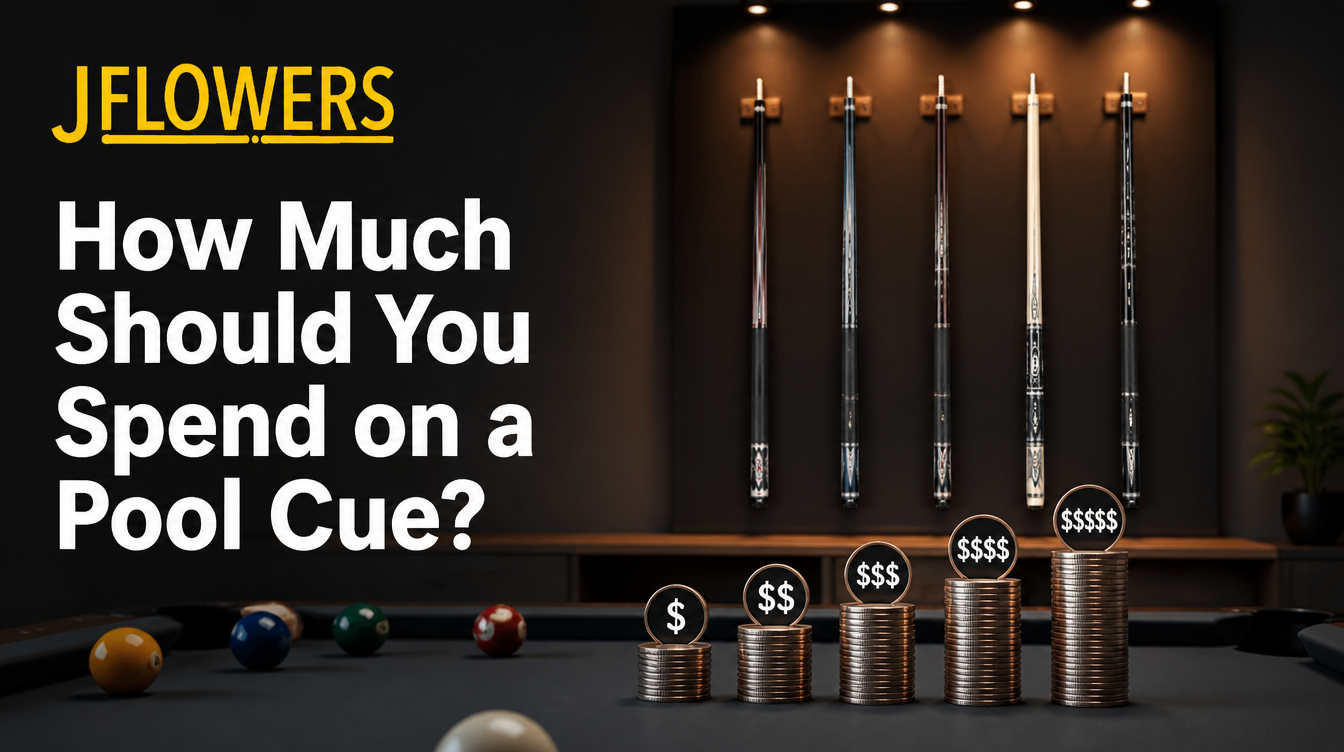
Pool cues range in price from $30 to over $10,000. That enormous range makes the budget question feel more complicated than it needs to be — but once you understand what drives price at each tier, the right budget for your situation becomes pretty clear.