Most pool players replace their cue tip too late. The tip has been quietly degrading for weeks, introducing inconsistencies into their game that they’ve been blaming on their stroke, the table, the cloth, or their concentration. Then they finally replace the tip and wonder why they didn’t do it sooner.
Author Archives: JFlowers Cues
More pool cues get damaged in storage than in play. A cue that’s hit tens of thousands of shots without issue can develop a warp in a few months from being stored badly. The irony is that proper storage doesn’t cost anything — it’s just about breaking a few bad habits and building a few good ones.
One of the biggest practical advantages of a carbon fiber shaft is how little maintenance it needs compared to maple. But “low maintenance” still means some maintenance. Players who switch from maple sometimes carry over their old cleaning habits — and some of those habits aren’t appropriate for carbon fiber.
Most pool players clean their cue the wrong way. Either they don’t clean it at all and let chalk, skin oil, and grime build up until it’s affecting performance — or they use products that aren’t appropriate for the materials and end up doing damage they didn’t mean to.
Pool has been played with essentially the same basic equipment for centuries — a stick, a tip, a felt table. But under that simple surface, cue technology has evolved dramatically, especially over the last two decades. The materials are different. The engineering is more sophisticated. The understanding of what makes a cue perform at a high level has deepened considerably.
Shaft taper is one of the least talked about variables in pool cue selection — and one of the most misunderstood by players who do talk about it. The word “taper” appears in descriptions of pro-level shafts all the time, but most players couldn’t explain what it actually means or why
it matters.
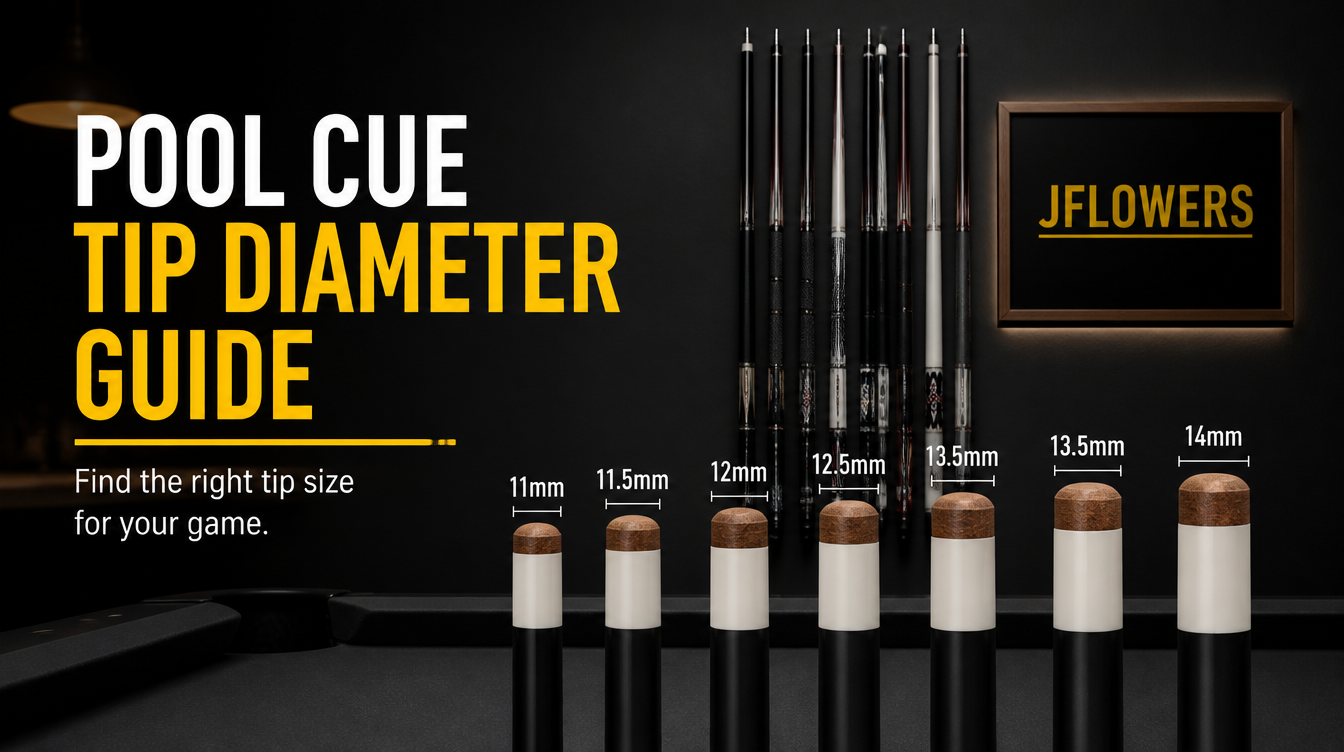
Shaft diameter is one of those spec numbers that appears on every cue listing — 12mm, 12.5mm, 13mm — but rarely gets explained in any meaningful way. Most players know it’s there. Very few understand what it actually does to how a cue plays. This guide fixes that.
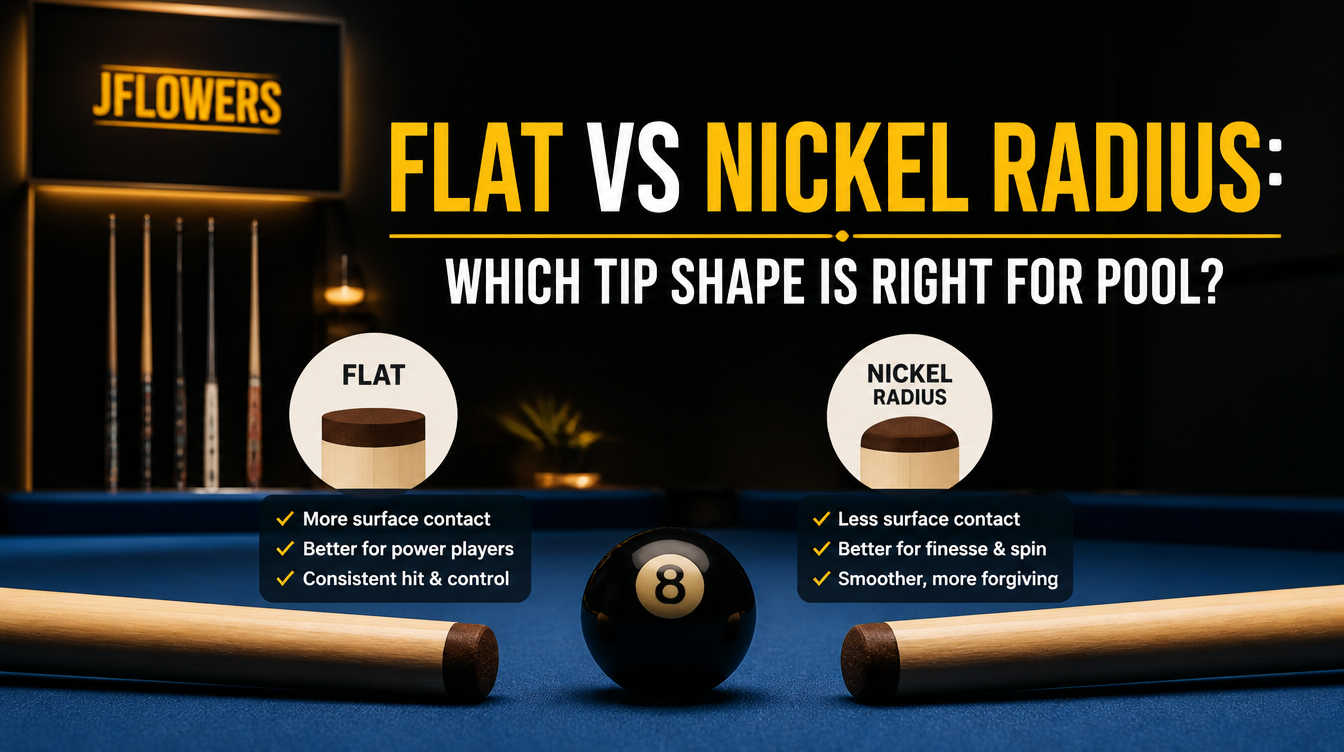
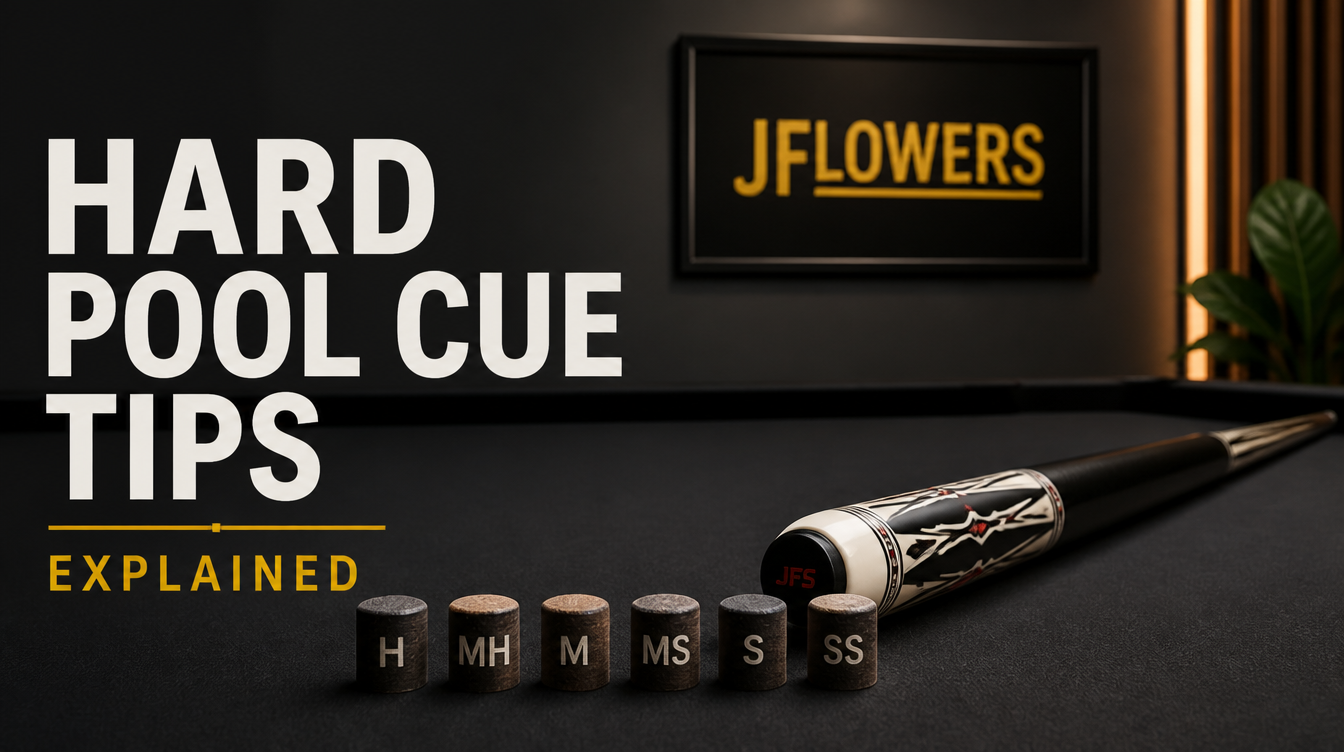
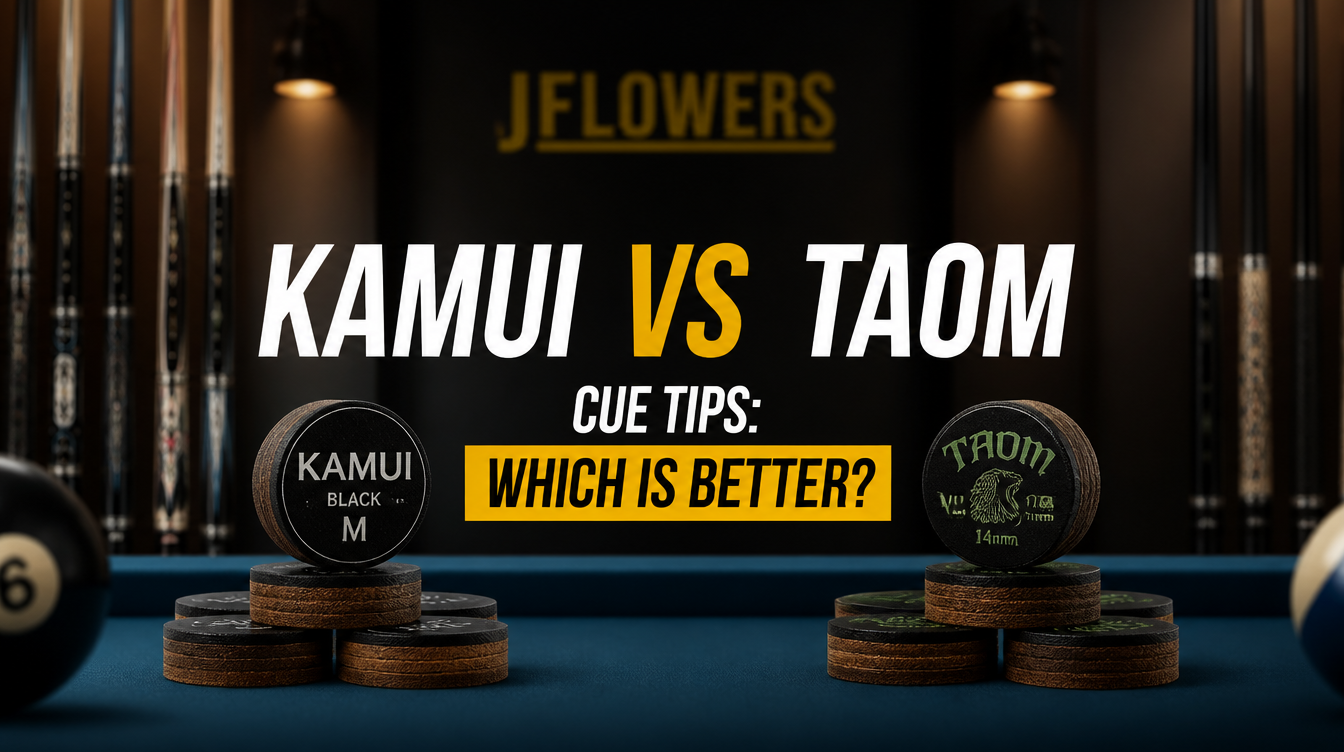
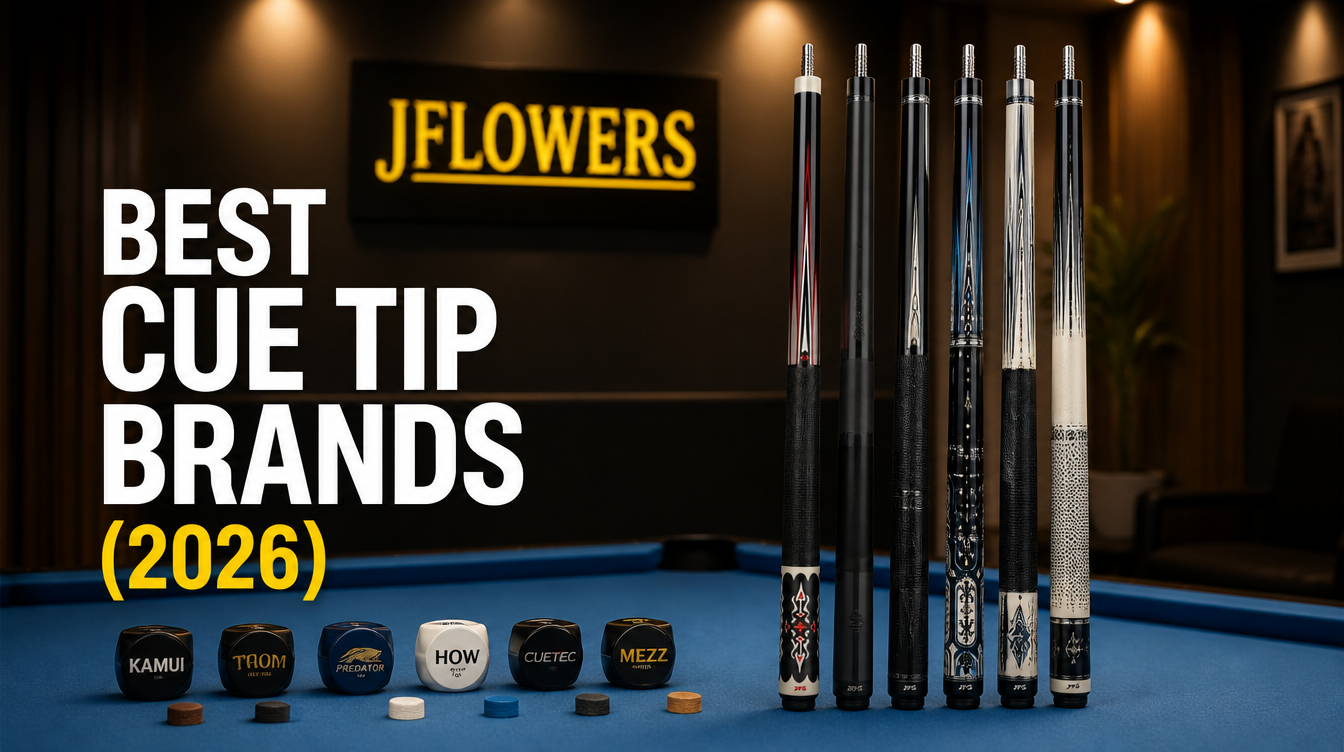
Every pool player eventually has to answer the same question: what tip should I use? If you just got a new cue, your stock tip may be mediocre. If your current tip is worn out, you’re picking a replacement. If someone told you to upgrade your tip and you’re trying to figure out what that means — this guide covers it all in one place.
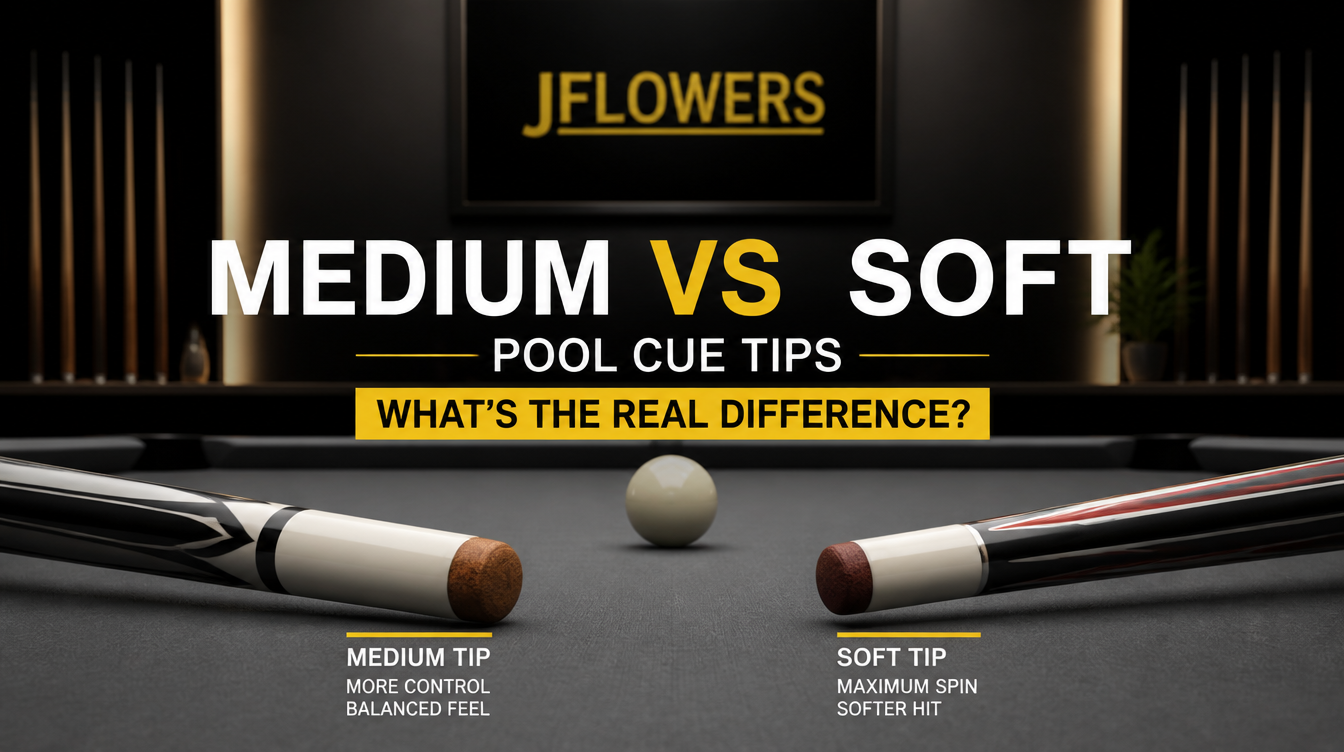
The tip is a small piece of leather at the end of your shaft, and it’s the only part of your cue that ever touches the cue ball. That makes it, pound for pound, the most performance-critical component of your entire setup. Yet most players either use whatever came on their cue or pick a hardness based on something they heard at the pool hall.
Pool cue weight is one of the first things players check when shopping — and one of the most misunderstood variables in the whole game. The myths around weight are persistent: heavier
means more power, lighter means more speed, the right weight is whatever the pros use. Most of this is wrong or oversimplified.