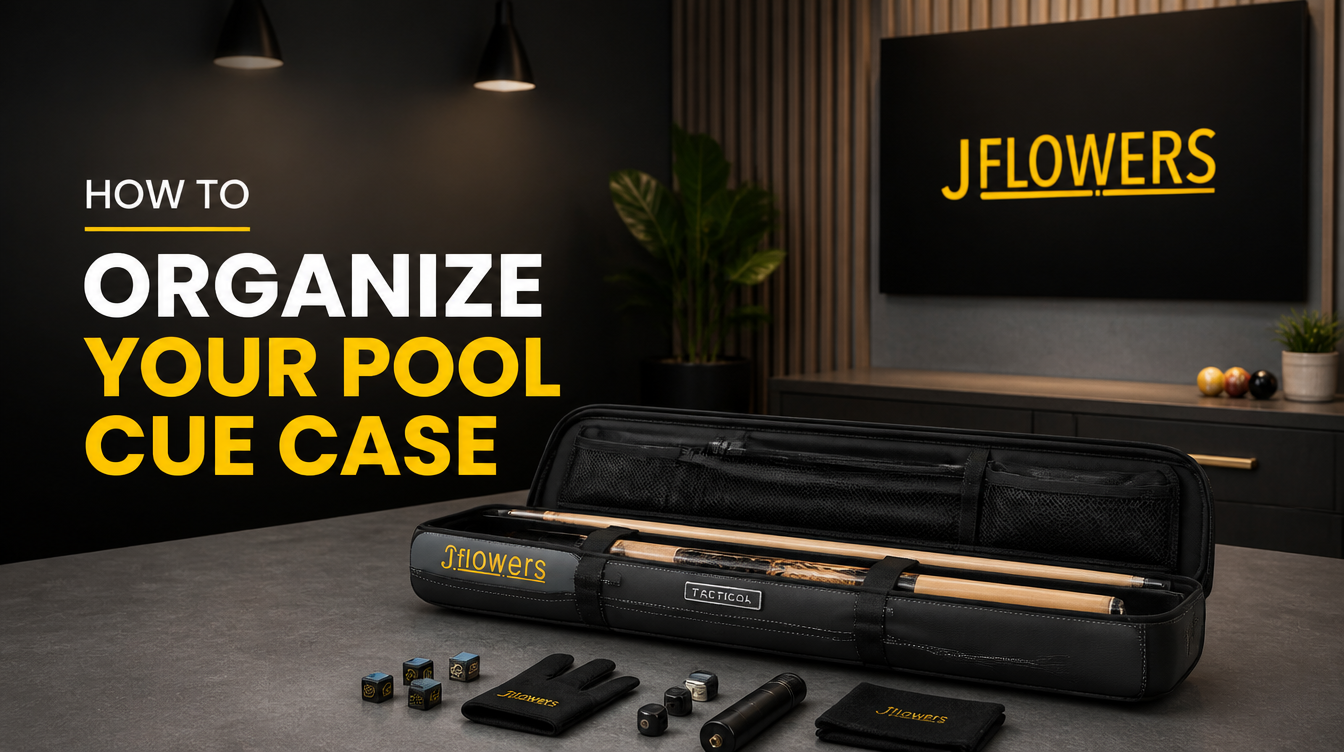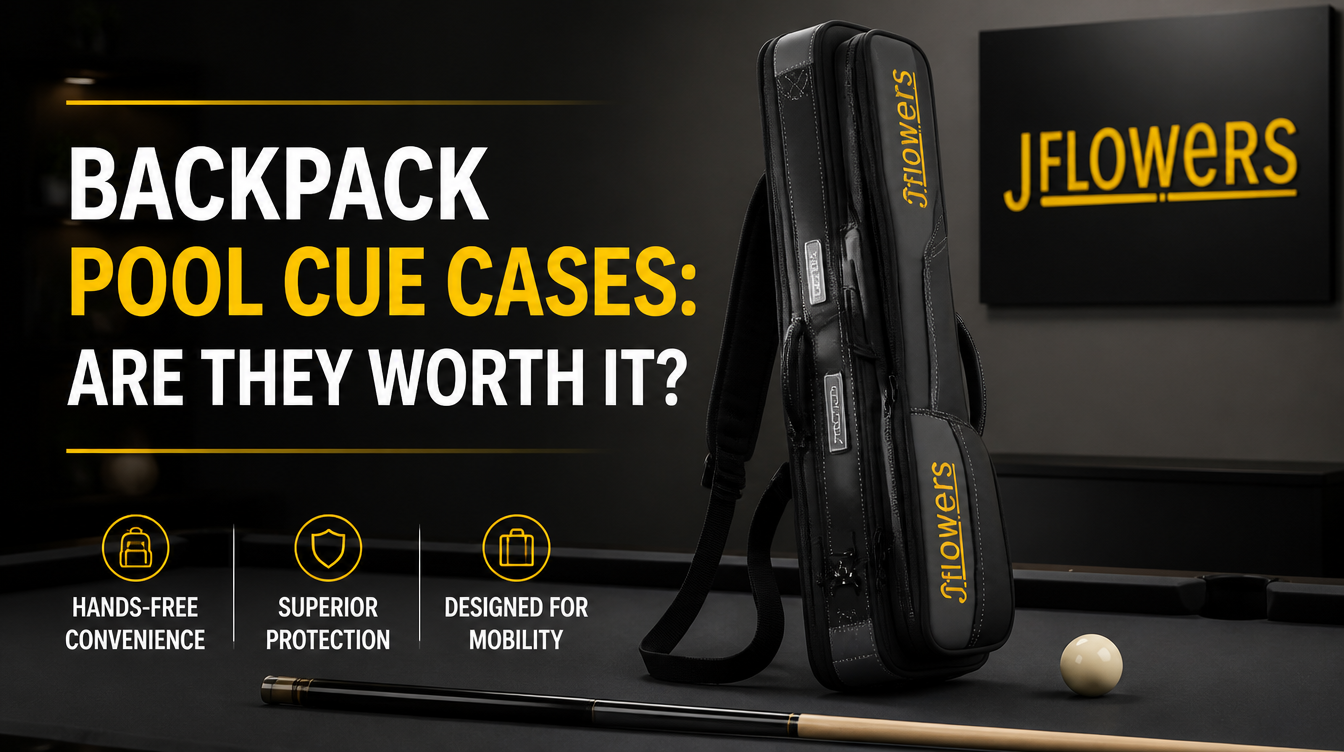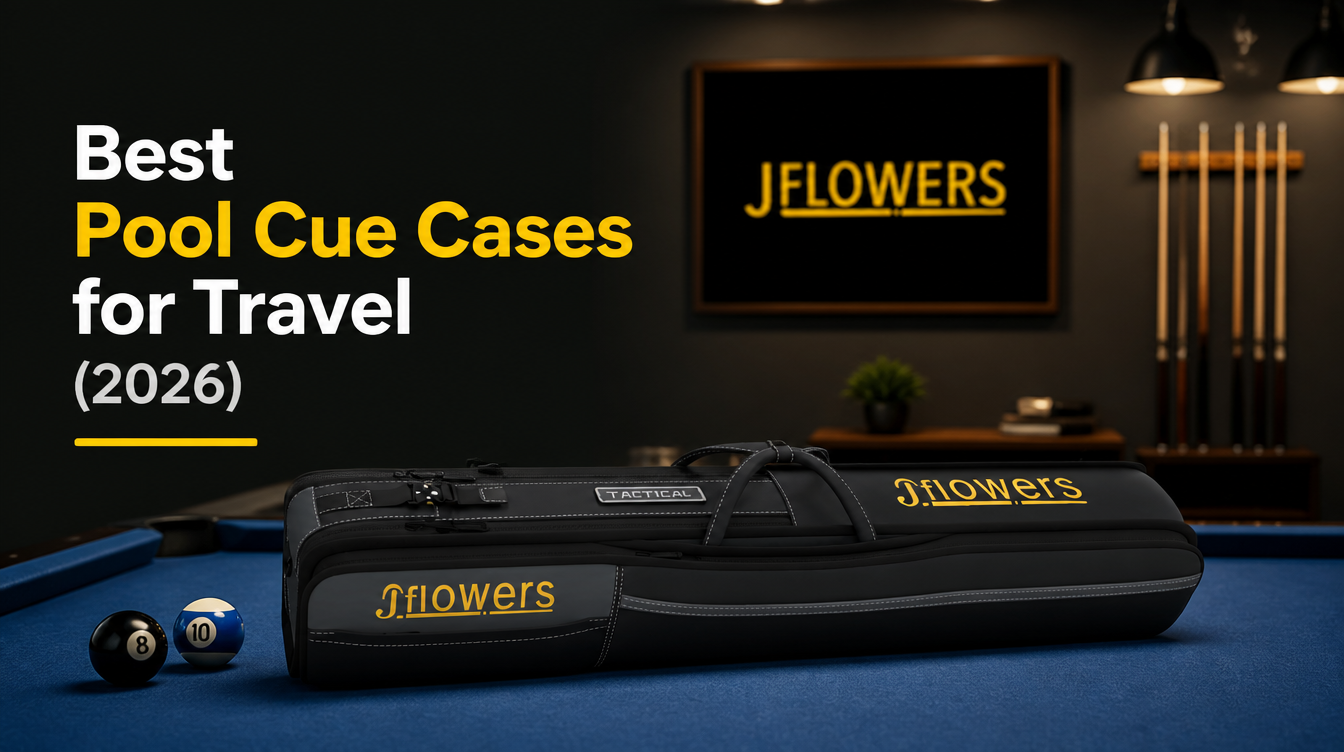
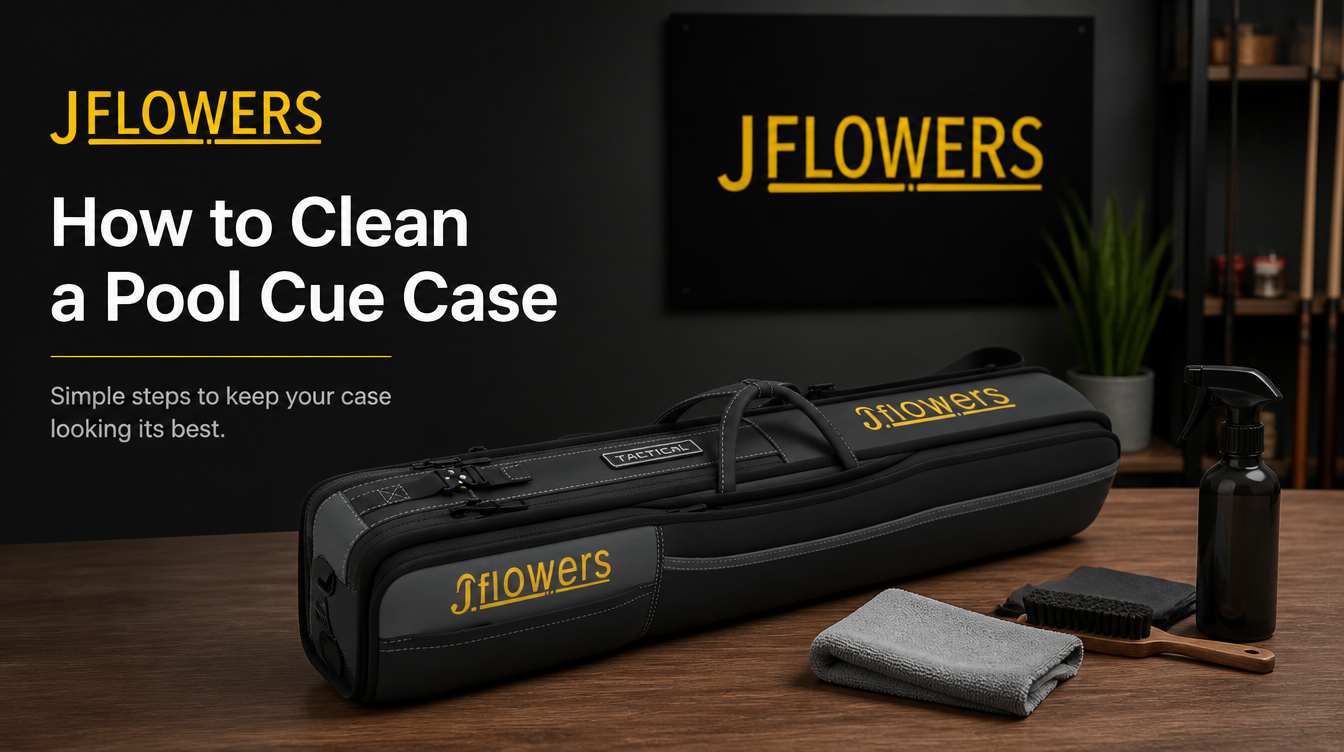
Soft cue cases — bags, sleeves, and soft-exterior cases — are the most common type of cue case in pool halls across America. They’re lighter, often more affordable, and frequently offer better accessory organization than hard cases. They’re also genuinely inadequate for protecting serious equipment in most
real-world travel situations.
Category Archives: Pool Cue Cases & Protection
A hard cue case is the difference between a cue that survives travel and one that doesn’t. Soft bags and cases protect against dust, minor scrapes, and casual handling. Hard cases protect against the impacts, drops, and compression forces that happen in the real world — in car trunks, on airport conveyor belts, in crowded tournament venues.
Pool cue cases come in two primary material categories: genuine leather and synthetic alternatives (vinyl, nylon, ballistic nylon, and various man-made composites). The choice between them involves trade-offs on durability, appearance, weight, cost, and how the case handles wear over time.
Protecting your cue on the road, in the air, and across every type of trip.
Traveling with a pool cue creates equipment risks that don’t exist when you play locally. Cars that get hot. Checked luggage that gets thrown around. Varying climates that affect maple shafts. The possibility of arriving at a tournament without your cue because it was confiscated or damaged in transit.
What actually works, what’s worth buying, and what you can skip.
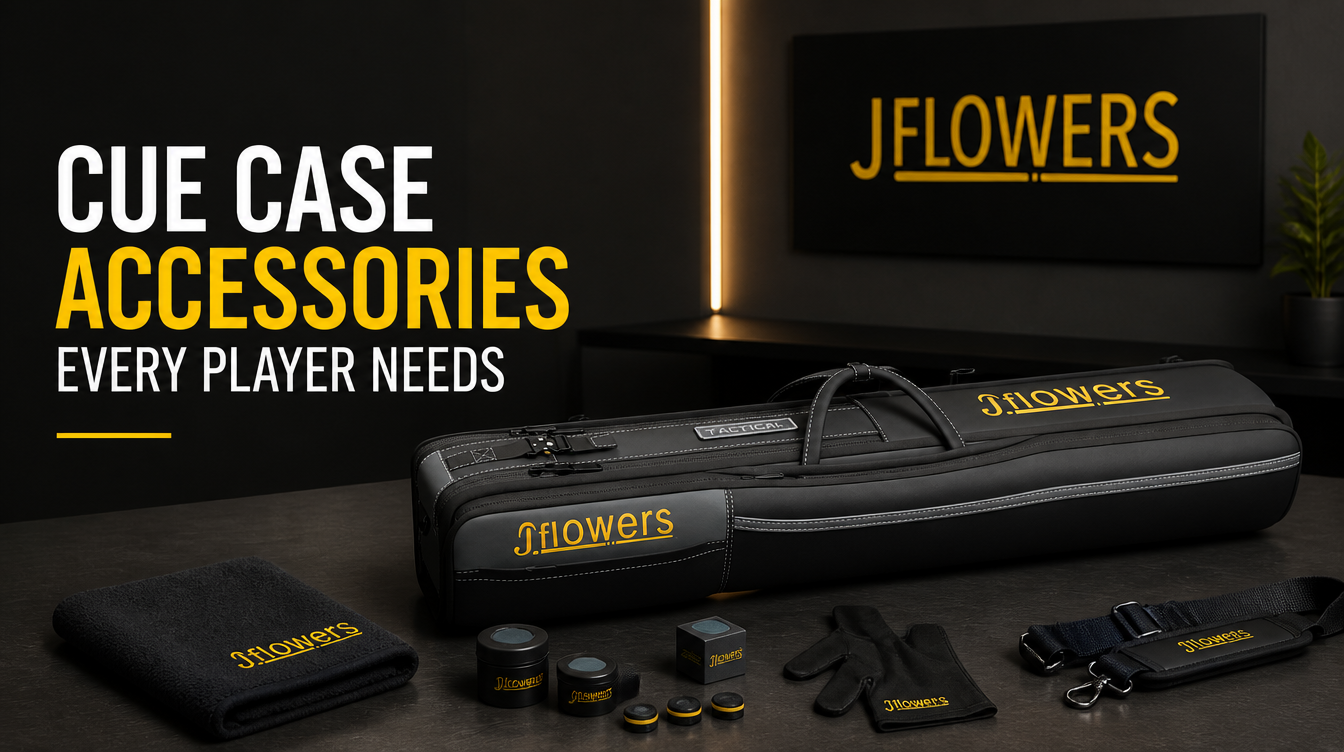
The pool cue care product market has a lot of options — some genuinely useful, some redundant, and some that are either marketed poorly or positioned as necessities when they’re really optional. This guide cuts through the noise and tells you exactly what’s worth having, what it does, and what you can pass on.
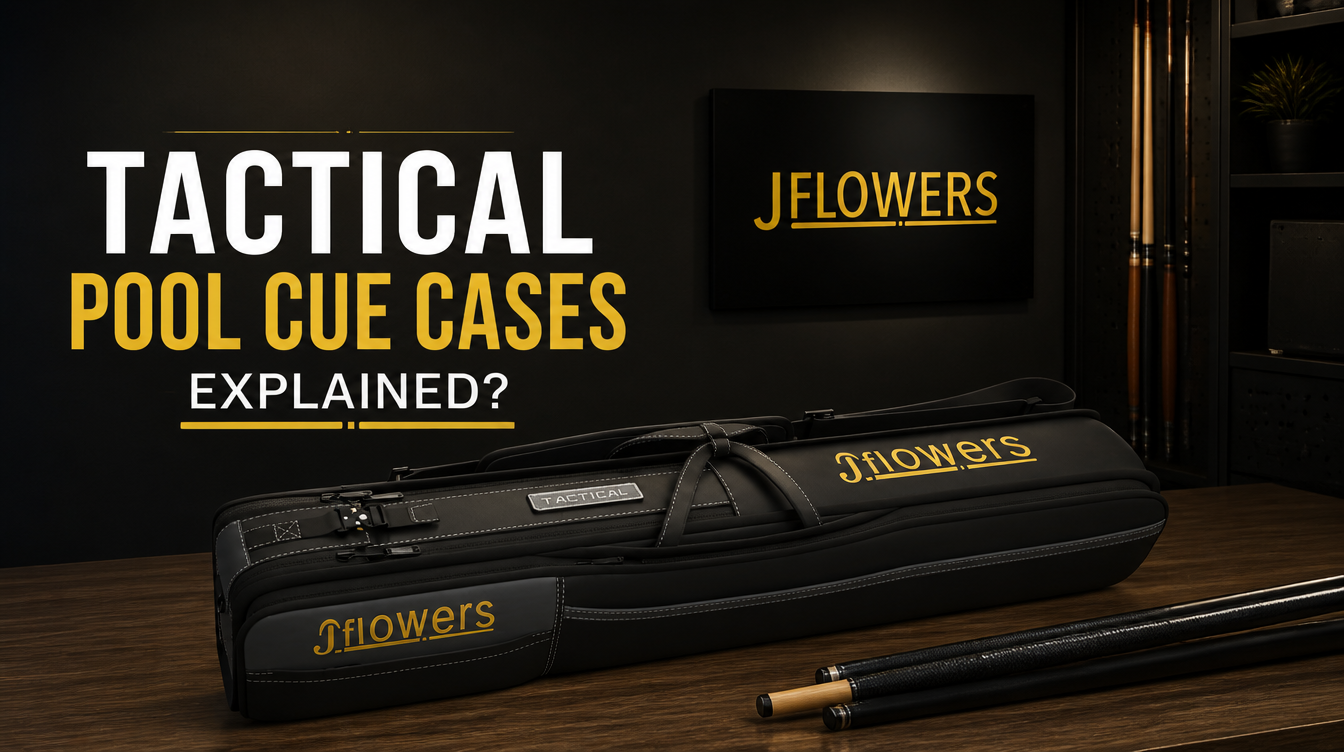
The term “tactical” gets applied to a lot of gear in the sporting world — sometimes as meaningful engineering description, sometimes as pure marketing. In the context of pool cue cases, tactical design refers to a specific approach to construction, carrying, and organization that differs meaningfully from standard cue cases.
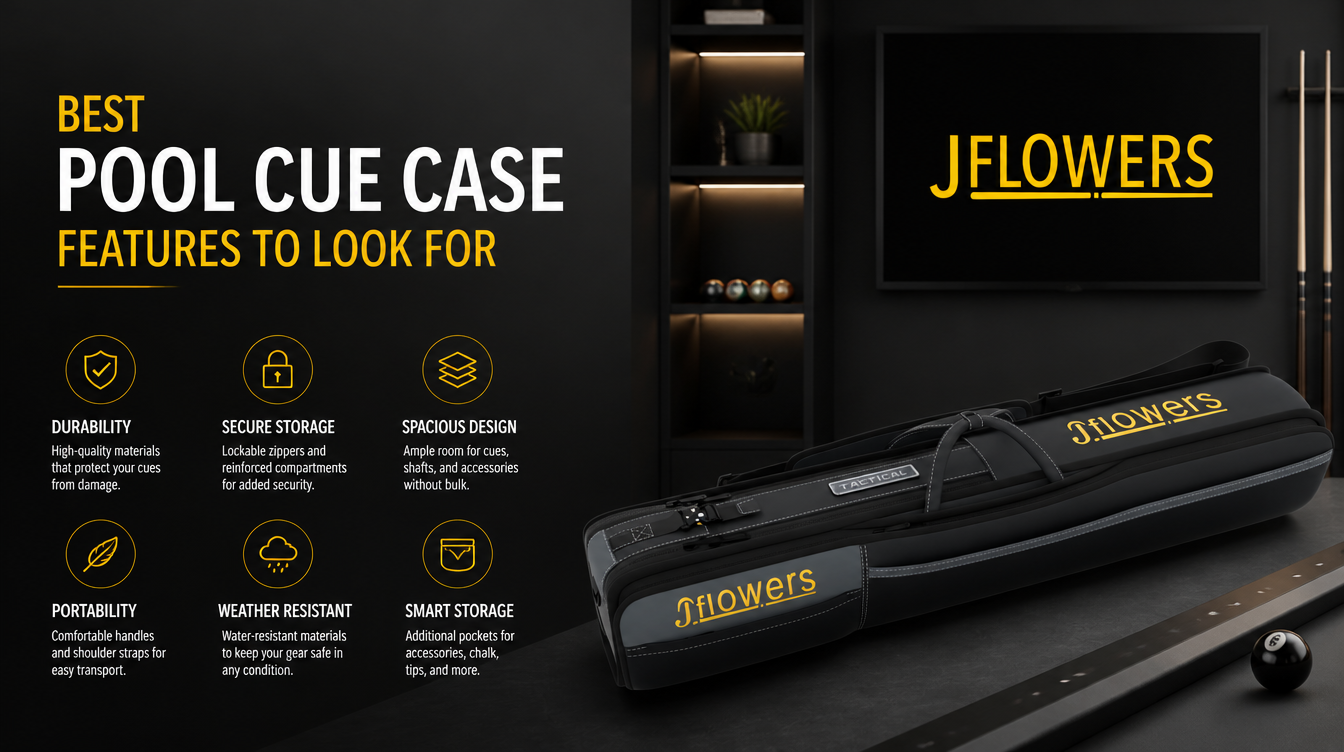
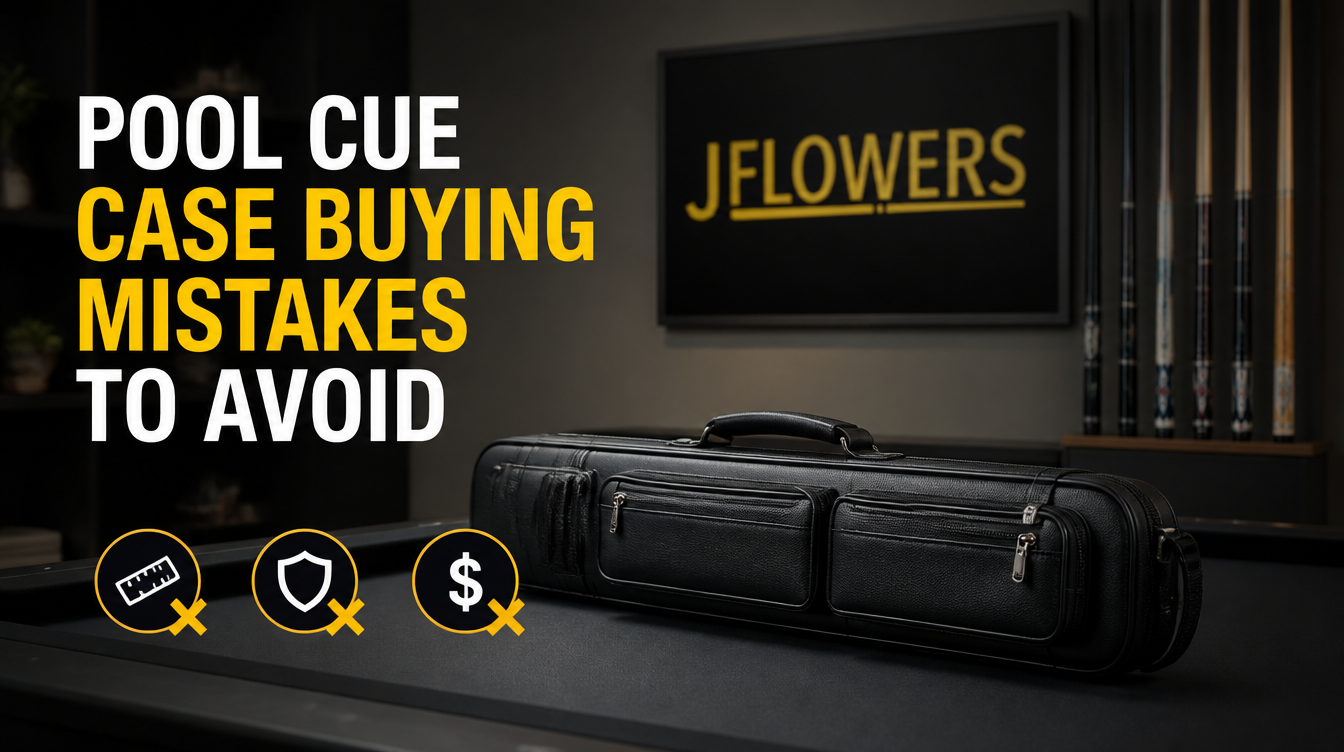
Buying a pool cue case should be simple — but the market is full of options at wildly different price points and quality levels, with spec language that doesn’t always tell you what you actually need to know. This guide cuts through it. By the end you’ll know exactly what to look for, what price range serves your situation, and what to avoid.
A quality pool cue is a real investment. Whether you spent $200 or $800, that cue represents deliberate money spent on something that directly affects how you play. Protecting that investment isn’t complicated, but it requires thinking about a few things systematically — from the case you buy to the habits you build to the accessories you use.
What’s in your cue case says a lot about how seriously you take your game. Not because having the right stuff makes you a better player — it doesn’t. But because having what you actually need, when you need it, removes the small disruptions and emergencies that affect your focus and your performance.
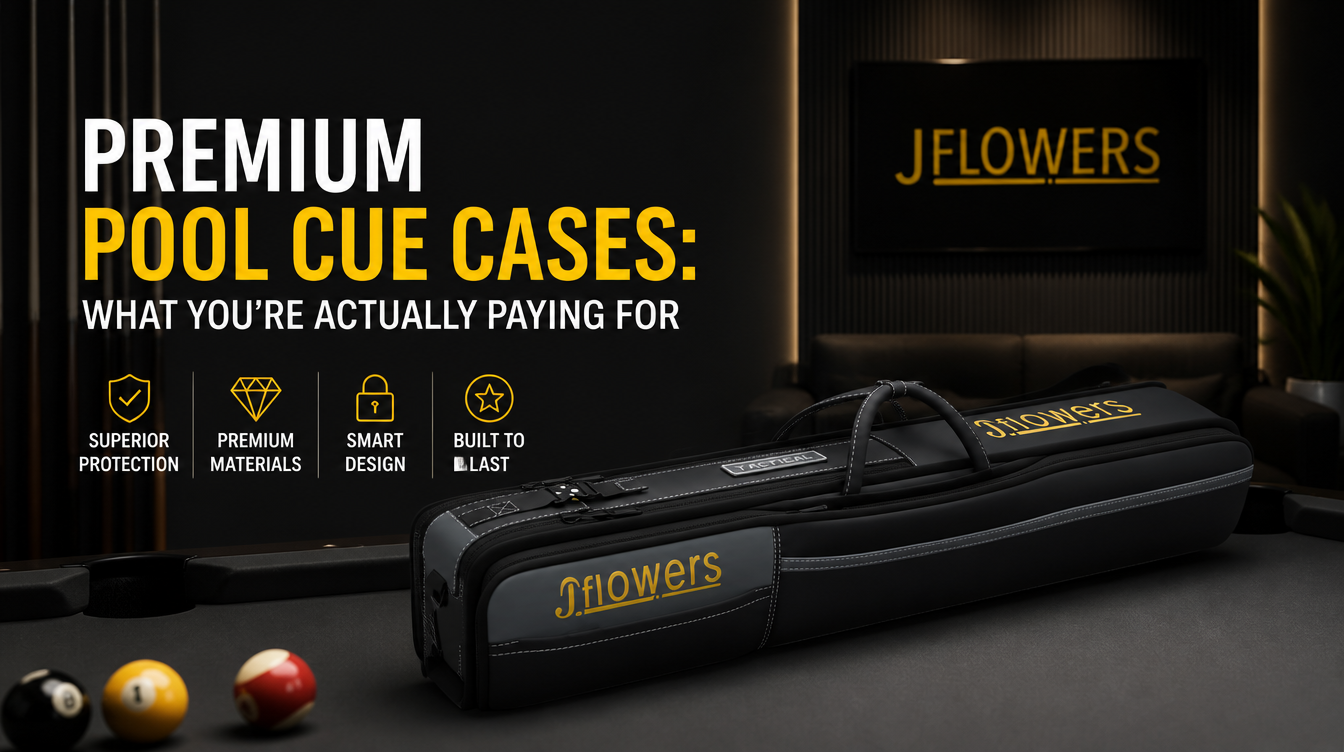
A lot of pool players think of a cue case as a nice-to-have — a convenience item that makes carrying the cue easier. In reality, a quality cue case is the single most important protective decision you make for your equipment. The cue you spent hundreds of dollars researching and selecting is only as well-protected as the case it lives in.
- 1
- 2